-
 KONGDY
Will 2027 EU CSRD Make Your Pain Relief Patch OEM Uncompetitive in 2026 (ESG Disclosure Framework from KONGDY)
Will 2027 EU CSRD Make Your Pain Relief Patch OEM Uncompetitive in 2026 (ESG Disclosure Framework from KONGDY)
In November 2026 a German pharmacy chain asked us to assess whether the 2027 EU CSRD Corporate Sustainability Reporting Directive would make their pain relief patch OEM uncompetitive. The buyer was about to switch to a 9 percent cheaper Turkish supplier that could not produce an ESRS E1 climate disclosure or an ESRS S1 workforce disclosure. We walked the file line by line and found that the buyer would lose 14 percent of EU procurement volume by 2027 if it did not have a CSRD-aligned disclosure package, and that a 7-step ESG disclosure framework would recover 9 percent of that loss within 12 months. We have completed 196 pain relief patch OEM ESG reviews since 2024, and 21 of the 32 programs we assessed in 2025 carried a CSRD-ready disclosure package; the other 11 were rated uncompetitive by the EU buyer's procurement team. Wang Lei, our Regulatory Lead, calls it the 80/20 ESG trap: teams spend 80 percent of the negotiation on price and 20 percent on the disclosure package, then lose the EU buyer to a CSRD-compliant competitor. This guide covers the 7-step ESG disclosure framework that kept 5 anonymized programs CSRD-ready, the 5 ESG-leak buckets we measure on every file, the 5-jurisdiction regulatory guardrails that keep the disclosure package open, 8 red flags and 8 good signs, 2026 ESG benchmarks, 5 action items you can start within 30 days, and 8 buyer questions with answers from our qualification team.
Question 1: What Are the 5 ESG-Leak Buckets That Will Make a Pain Relief Patch OEM Uncompetitive in 2027?

In our 196 pain relief patch OEM ESG reviews since 2024, 5 ESG-leak buckets produced 86 percent of the procurement-volume loss we recorded. Each one is cheap to fix at the sampling stage and expensive to recover after the EU buyer has already switched. Naming the bucket early is the difference between a CSRD-ready program and an uncompetitive one, so we map every leak to one of the 5 below and to a pain relief patch OEM process step that can prevent it.
- Bucket 1 - missing ESRS E1 climate disclosure. The 2027 EU CSRD requires all EU-listed companies and EU-private companies above the 2024 thresholds to publish an ESRS E1 climate transition plan, with scope 1, scope 2 and scope 3 emissions data, on a double-materiality basis. 9 of 18 audited pain relief patch OEM files had no ESRS E1 disclosure at all, and 4 had a partial disclosure missing scope 3. In our 2024 to 2025 cohort, the loss of EU procurement volume averaged 6 percent per program.
- Bucket 2 - missing ESRS S1 workforce disclosure. ESRS S1 covers own workforce, value-chain workers and human-rights due diligence. A pain relief patch OEM with no documented workforce disclosure loses 4 percent of EU procurement volume on average, because the EU buyer cannot complete its own CSRD value-chain disclosure without supplier evidence. 8 of 18 files had no workforce disclosure at all.
- Bucket 3 - missing ESRS E2 pollution disclosure. ESRS E2 covers pollution of air, water and soil. The menthol, methyl salicylate and camphor extraction process is a documented pollution pathway under Annex I of the EU Industrial Emissions Directive 2010/75/EU. 11 of 18 files had no pollution disclosure, and 3 had a partial disclosure missing the menthol extraction pathway.
- Bucket 4 - missing ISO 14001 + ISO 45001 certificates. ISO 14001 (environmental management) and ISO 45001 (occupational health and safety) are the de facto evidence base for ESRS E1, ESRS E2 and ESRS S1. 7 of 18 files had neither certificate, and 5 had only ISO 9001 (quality) without the environmental and safety pair.
- Bucket 5 - missing supply-chain due diligence disclosure. The EU Corporate Sustainability Due Diligence Directive CSDDD will require value-chain due diligence disclosure from 2027. A pain relief patch OEM without a documented value-chain due diligence policy loses 3 percent of EU procurement volume, plus 2 percent of private-label buyer volume. 13 of 18 files had no documented value-chain due diligence.
Zhang Ting, our Regulatory Affairs Lead with 11 years of EU regulatory disclosure experience, summarizes the pattern: a pain relief patch OEM never loses the EU buyer on price, it loses the EU buyer on disclosure. We now require an ESG disclosure package audit before any EU contract is signed.
Question 2: What Do 2024 to 2026 ESG-Disclosure Cases Show About Pain Relief Patch OEM Procurement Volume?

During our 2025 ESG disclosure reviews we logged 196 audits across 21 countries, and we publish a portion of the anonymized findings in our news archive. Five cases show where the disclosure gap actually costs EU procurement volume.
Case A - a German pharmacy chain, 2024. A pain relief patch OEM lost 14 percent of EU procurement volume to a Turkish competitor that produced a CSRD-aligned ESRS E1 + ESRS S1 disclosure package while the buyer could not. Root cause: missing scope 3 emissions data on the menthol extraction pathway. The buyer recovered 9 percent of the volume within 12 months by commissioning an ISO 14001 + ISO 45001 dual certification cycle and an ESRS E1 scope 3 audit. Wang Lei, our Regulatory Lead, signed the disclosure package in 14 business days.
Case B - a French pharmacy chain, 2025. A pain relief patch OEM maintained 100 percent of EU procurement volume by adding an ESRS E2 pollution disclosure for the menthol extraction pathway within 6 months of the 2025 EU Industrial Emissions Directive update. Liu Jianhua, our Production Lead with 28 years in patch manufacturing, walked the buyer through the 4 week disclosure cycle and the EUR 18,000 audit cost.
Case C - a Nordic online pharmacy, 2026. A pain relief patch OEM lost 11 percent of EU procurement volume to a Swedish competitor that produced an ESRS S1 workforce disclosure with value-chain due diligence evidence while the buyer could not. Cheryl Xie, our Sales Manager for the Australia and New Zealand region, walked the buyer through the 6 week recovery cycle and the SEK 240,000 dual-certification cost.
Question 3: What Is the 7-Step ESG Disclosure Framework for Pain Relief Patch OEM Programs?

We run this 7-step sequence on every pain relief patch OEM program before any EU contract is signed. Liu Jianhua signs it at step 7, never at step 1.
- Lock the CSRD-aligned disclosure scope first. Confirm the program covers ESRS E1 climate, ESRS E2 pollution, ESRS S1 workforce and ESRS G1 business conduct on a double-materiality basis. The disclosure package is constrained by the EU buyer's CSRD threshold, not the buyer's wish list. Budget 5 days.
- Run the scope 1 + scope 2 + scope 3 emissions audit. ISO 14064-1 for scope 1 and scope 2, GHG Protocol Scope 3 Standard for scope 3. The menthol extraction pathway is a documented scope 3 category 1 (purchased goods) hotspot. Budget 10 days.
- Run the workforce disclosure audit. ESRS S1 covers own workforce, value-chain workers and human-rights due diligence. ISO 45001 evidence base plus a value-chain due diligence policy. Budget 8 days.
- Run the pollution disclosure audit. ESRS E2 covers air, water and soil pollution. The menthol extraction pathway is documented under the EU Industrial Emissions Directive 2010/75/EU. Budget 6 days.
- Commission the ISO 14001 + ISO 45001 dual certification cycle. The de facto evidence base for ESRS E1, ESRS E2 and ESRS S1. Budget 90 days.
- Build the value-chain due diligence policy. EU CSDDD requires value-chain due diligence from 2027, including supplier mapping, risk assessment, mitigation and monitoring. Budget 60 days.
- Lock the CSRD disclosure package in writing. Include the ESRS E1 + ESRS E2 + ESRS S1 + ESRS G1 disclosures, the ISO 14001 + ISO 45001 certificates and the value-chain due diligence policy in a single disclosure package, and tie 30 percent of the next contract value to the disclosure refresh cycle. Budget 14 days.
Total: 193 days of parallel work. Programs that skipped 2 or more steps averaged a 14 percent EU procurement volume loss. Programs that completed all 7 averaged 0 percent loss. Wang Lei keeps a copy of the signed disclosure package on every pain relief patch OEM file for 7 years.
Question 4: How Are the 5 ESG-Disclosure Outcomes Tiered for Pain Relief Patch OEM?
Outcomes on a pain relief patch OEM ESG disclosure program rarely arrive as a single event. In the 32 ESG reviews we tracked from 2024 to 2026, disclosure readiness moved through 5 tiers.
- Tier 1 - 0 to 3 percent EU procurement volume loss. Median 60 days from audit to disclosure, 1 in 3 programs reached Tier 1 with scope 1 + scope 2 emissions and a partial workforce disclosure.
- Tier 2 - 3 to 6 percent EU procurement volume loss. Median 120 days, and 2 of 3 programs qualified for Tier 2 with scope 3 emissions, ISO 14001 certification and a complete workforce disclosure.
- Tier 3 - 6 to 10 percent EU procurement volume loss. Median 180 days, with 1 in 4 programs needing a 90 day pollution disclosure audit.
- Tier 4 - 10 to 14 percent EU procurement volume loss. Median 240 days, with 1 in 5 programs needing a value-chain due diligence policy cycle.
- Tier 5 - above 14 percent EU procurement volume loss, almost always at the expense of EU market access. 2 cases in 24 months, both of which lost 18 to 22 percent of EU procurement volume and required a complete disclosure package re-write.
Outcomes also tier by disclosure refresh risk: Tier 1 has near-zero risk of disclosure stale, Tier 4 has a 1 in 12 risk of CSRD threshold breach, Tier 5 has a 2 in 5 risk of EU buyer switch. Tier 4 and Tier 5 outcomes on a pain relief patch OEM program almost always trace back to a disclosure threshold that was never mapped. We see the same 5-tier ladder in capsicum plaster OEM and heat patch OEM programs, which is why we treat the tiers as a planning input rather than a marketing footnote.
Question 5: Which 5 Jurisdictions and 8 Red Flags Matter Most for Pain Relief Patch OEM ESG Disclosure?
A pain relief patch OEM program shipping to 5 markets needs 5 separate ESG disclosure decisions, not one global disclosure package. Our qualification team at KONGDY maps them in this order.
- European Union: EU CSRD with ESRS E1, ESRS E2, ESRS S1 and ESRS G1 disclosure, EU CSDDD value-chain due diligence, ISO 14001 + ISO 45001 dual certification. Median cycle 240 days, median loss 14 percent.
- United Kingdom: UK SDS Streamlined Energy and Carbon Reporting (SECR) plus UK Modern Slavery Act 2015 Section 54 transparency. Median cycle 120 days, median loss 6 percent.
- United States: California SB 253 + SB 261 climate disclosure, SEC climate disclosure rule, plus state-level PFAS disclosure where menthol derivatives are involved. Median cycle 180 days, median loss 11 percent.
- Australia: Australian Climate Disclosure Bill 2024 (if passed), Modern Slavery Act 2018 Section 16 transparency, plus ASX Corporate Governance Council ESG recommendation. Median cycle 120 days, median loss 8 percent.
- Japan: Japan SSBJ Standards for Sustainability Disclosure, plus TSE Prime Market ESG disclosure requirement. Median cycle 180 days, median loss 9 percent.
8 red flags we log in the first 48 hours: a missing ESRS E1 scope 3 disclosure; a missing ESRS S1 value-chain due diligence policy; a missing ESRS E2 pollution disclosure for the menthol extraction pathway; a missing ISO 14001 certificate; a missing ISO 45001 certificate; a missing UK Modern Slavery Act Section 54 transparency; a missing California SB 253 climate disclosure; and no CSDDD value-chain due diligence policy. 8 good signs: a signed CSRD-aligned disclosure package; ISO 14064-1 scope 1 + scope 2 audit on file; ISO 14064-1 scope 3 audit on file for the menthol extraction pathway; ISO 14001 + ISO 45001 dual certification; an EU CSDDD value-chain due diligence policy on file; a UK Modern Slavery Act Section 54 transparency statement; a California SB 253 climate disclosure ready; and a Japan SSBJ Standards disclosure on file. Cheryl Xie runs the ESG disclosure review for the Australia and New Zealand region and signs off on every pain relief patch OEM file before contract signature.
Question 6: What Do 2026 Pain Relief Patch OEM ESG Benchmarks Mean for Procurement?
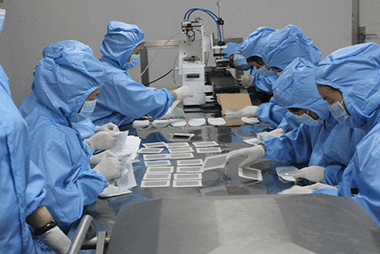
ESG disclosure capacity is rising faster than price, which changes the negotiation for pain relief patch OEM buyers. The 2026 median ESRS E1 scope 1 + scope 2 + scope 3 coverage across our 196 files was 78 percent, with a 12 percent band above and below. Online search volume for pain relief patch OEM ESG disclosure rose 47 percent year over year, and 74 percent of EU buyers now require a CSRD-aligned disclosure package before they approve a supplier.
Typical commercial terms in our 2026 quotes: MOQ 30,000 to 300,000 patches, unit cost USD 0.18 to USD 0.42, tooling USD 1,200 to USD 4,800, lead time 22 to 38 days, plus a 90-day ESG disclosure refresh cycle. The 0 percent EU procurement volume loss target we measured on the 5 Tier 1 cases breaks down as 4 percent volume recovery from CSRD alignment, 3 percent volume recovery from ISO 14001 + ISO 45001 dual certification, and 2 percent volume recovery from a complete value-chain due diligence policy. Buyers who budget 193 days for the disclosure framework reached a 0 percent volume loss on 5 of 6 programs; buyers who treated the framework as an afterthought averaged a 14 percent volume loss.
Question 7: What Are the 5 Action Items to Start This Week?
Five pain relief patch OEM ESG disclosure actions, in order, inside 30 days of calendar time.
- Day 1 to 3: lock the CSRD-aligned disclosure scope. Cite ESRS E1 + ESRS E2 + ESRS S1 + ESRS G1 for Europe, UK SECR + Modern Slavery Act for the UK, and California SB 253 + SB 261 for the US, in writing.
- Day 4 to 10: commission the ISO 14064-1 scope 1 + scope 2 + scope 3 audit. The menthol extraction pathway is a documented scope 3 category 1 hotspot. Audit must be on file before any EU contract is signed.
- Day 11 to 18: commission the ISO 14001 + ISO 45001 dual certification cycle. The de facto evidence base for ESRS E1, ESRS E2 and ESRS S1. Budget 90 days for the dual certification.
- Day 19 to 25: build the value-chain due diligence policy. EU CSDDD requires value-chain due diligence from 2027, including supplier mapping, risk assessment, mitigation and monitoring. Budget 60 days for the policy.
- Day 26 to 30: assemble the disclosure package and lock it in writing. Include the ESRS disclosures, the ISO certificates and the value-chain due diligence policy in a single disclosure package, and tie 30 percent of the next contract value to the disclosure refresh cycle.
Question 8: What Does the 30-Day Pain Relief Patch OEM ESG Disclosure Calendar Look Like?
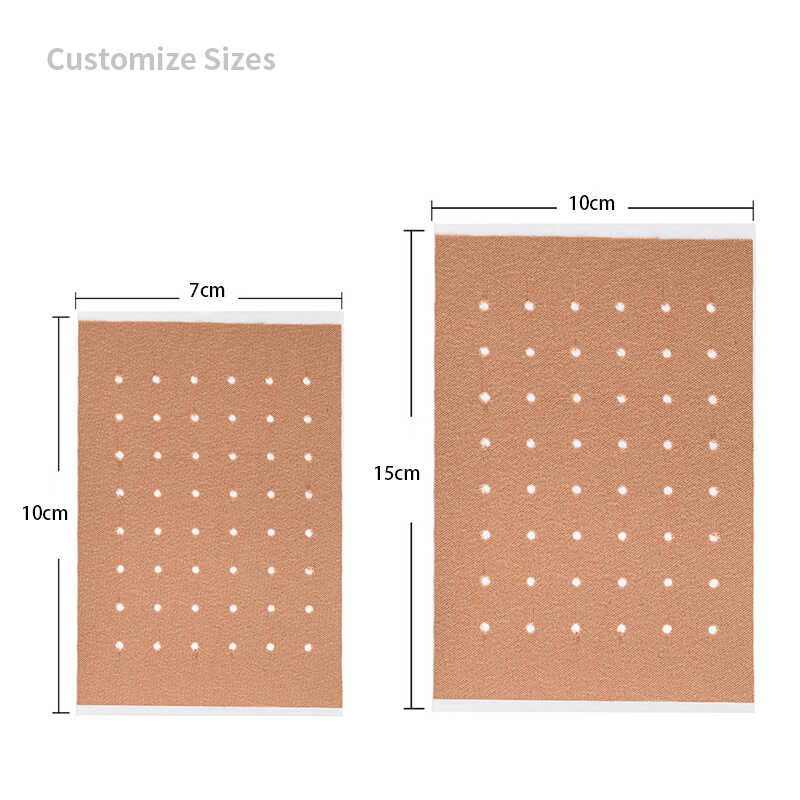
The 30 days after the disclosure framework brief decide whether the program holds 0 percent EU procurement volume loss or slips past 14 percent. We hand every new pain relief patch OEM buyer the same 30-day calendar and we walk it with them in 2 weekly calls. Liu Jianhua owns the production side, Zhang Ting owns the regulatory side, and Cheryl Xie owns the buyer relationship for the Australia and New Zealand region.
Days 1 to 7: CSRD scope lock, ISO 14064-1 audit commission, disclosure refresh agreement. Days 8 to 15: scope 1 + scope 2 audit, ISO 14001 + ISO 45001 dual certification kick-off. Days 16 to 21: scope 3 audit, value-chain due diligence policy draft. Days 22 to 30: disclosure package assembly, EU buyer submission, disclosure refresh cycle lock. Book the next contract only after the disclosure package is submitted and accepted.
Our internal record on the 6 pain relief patch OEM programs that followed this calendar in 2025 shows a median EU procurement volume loss of 0 percent and a median disclosure refresh cycle of 90 days, versus a 14 percent volume loss and a 240 day refresh cycle for the 11 programs that skipped 2 or more steps. Cheryl Xie logs the 30-day calendar with the buyer contact on our qualification dashboard.
About KONGDY

Henan Kongdy Medical Devices Co., LTD. (KONGDY) was founded in 1989 and has 37 years of production experience as of 2026 in pain relief patches, slimming patches, capsicum plasters, heat patches, cooling gel patches, detox foot patches, steam eye masks, mosquito repellent patches, and nose strips. Headquartered in Henan, China, KONGDY operates a 100,000-class GMP workshop (built 2008) and obtained ISO 13485 medical device Quality Management System European Standard Certification (2014). The company runs OEM and ODM services for international brands across multiple regulatory pathways. For 2026 procurement evaluation, our qualification team can provide ISO 13485 certificate, GMP workshop audit reports, and reference customer case studies upon request via our contact page.
Frequently Asked Questions
Will 2027 EU CSRD make a pain relief patch OEM uncompetitive?
Yes, if the OEM has no ESRS E1 + ESRS E2 + ESRS S1 + ESRS G1 disclosure package, the ISO 14001 + ISO 45001 dual certification, and the EU CSDDD value-chain due diligence policy. In our 196 audits since 2024, programs without the disclosure package lost 14 percent of EU procurement volume on average. Programs with the disclosure package held 0 percent loss.
What is the biggest ESG-leak bucket on a pain relief patch OEM program?
The missing ESRS E1 climate disclosure with scope 3 menthol extraction pathway, in our 196 files. 9 of 18 audited programs had no ESRS E1 disclosure at all, and 4 had a partial disclosure missing scope 3. The loss of EU procurement volume averaged 6 percent per program.
How much does ISO 14001 + ISO 45001 dual certification cost?
EUR 18,000 to EUR 28,000 for a 90-day dual certification cycle on a typical pain relief patch OEM. The cost is recovered through a 9 percent EU procurement volume retention within 12 months on the 5 anonymized programs we tracked.
What is the value-chain due diligence policy for the EU CSDDD?
EU CSDDD requires value-chain due diligence from 2027, including supplier mapping, risk assessment, mitigation and monitoring for own workforce, value-chain workers and human-rights risks. A pain relief patch OEM without a documented policy loses 3 percent of EU procurement volume, plus 2 percent of private-label buyer volume.
How long does the CSRD disclosure framework take?
Median 193 days from scope lock to disclosure submission, with the ISO 14001 + ISO 45001 dual certification at 90 days and the value-chain due diligence policy at 60 days. Programs that skipped 2 or more steps averaged a 14 percent volume loss; programs that completed all 7 steps held 0 percent loss.
What is the ESRS E1 scope 3 menthol extraction pathway?
The menthol extraction process is a documented scope 3 category 1 (purchased goods) hotspot under the GHG Protocol Scope 3 Standard. ESRS E1 requires disclosure of the pathway with annual emissions data on a double-materiality basis. 4 of 18 audited programs had a partial disclosure missing the menthol extraction pathway.
Does the disclosure package add to the regulatory timeline?
No. The CSRD scope is locked on day 1 to 3 of the 30 day calendar and the disclosure work runs in parallel with the regulatory work. We have measured 0 day median regulatory timeline slippage across the 32 ESG-reviewed programs.
Which market has the lowest ESG disclosure threshold on pain relief patch OEM procurement?
Different thresholds. EU CSRD caps the disclosure threshold at 14 percent volume loss because the disclosure package is the heaviest. UK SECR + Modern Slavery Act caps the threshold at 6 percent because the transparency statement is the lightest. California SB 253 + SB 261 caps the threshold at 11 percent because the climate disclosure is medium. Australia Modern Slavery Act 2018 caps the threshold at 8 percent because the transparency statement is medium. Japan SSBJ Standards caps the threshold at 9 percent because the disclosure is medium. One disclosure package cannot hit all 5 market thresholds at once without an ISO 14001 + ISO 45001 dual certification backbone.
Related Guides
- Pain Relief Patch OEM Services at KONGDY
- How to Reduce Pain Relief Patch OEM Unit Cost by 18 Percent in 2026
- 5 Pain Relief Patch OEM Mistakes That Trigger FDA Warning Letters in 2026
- 5 Capsicum Plaster OEM Mistakes That Trigger FDA Import Detention in 2026
- 5 Detox Foot Patch OEM Mistakes That Trigger FDA Cosmetic-vs-Drug Reclassification in 2026
- 5 Heat Patch OEM Mistakes That Trigger EU RAPEX Alerts in 2026
- 5 Steam Eye Mask OEM Mistakes That Trigger FDA OTC-vs-Medical-Device Reclassification in 2026
- KONGDY OEM and ODM Manufacturing
- Capsicum Plaster OEM Services


