-
 KONGDY
5 Capsicum Plaster OEM Mistakes That Trigger FDA Import Detention and Warning Letters in 2026 (Real Audit Cases from KONGDY)
5 Capsicum Plaster OEM Mistakes That Trigger FDA Import Detention and Warning Letters in 2026 (Real Audit Cases from KONGDY)
When buyers ask us which capsicum plaster OEM mistakes trigger FDA import detention and warning letters in 2026, we answer with the 5 failure patterns our team has logged at KONGDY since 1989. In March 2026, Cindy Lu, our Sales Manager for the South Asia market, took an inquiry from an importer in Southeast Asia whose 24,000-unit capsicum plaster shipment had been held under FDA Import Alert 66-40 for 41 days; the release package cost USD 38,400 in air freight, relabeling and third-party testing. That case pushed Wang Lei, our Regulatory Lead, Liu Jianhua, our Production Lead with 28 years of patch manufacturing experience, and Zhang Ting, our Regulatory Affairs Lead, to rebuild our capsicum plaster OEM audit pack around 5 detention triggers, a 7-step mitigation checklist, a 5-tier penalty model and a 5-jurisdiction regulatory map. We have run this capsicum plaster OEM checklist on more than 70 US-bound contracts, and in our internal audit experience those 5 triggers explain 92 percent of the detentions we see. The complete 2026 version goes to every buyer before a 50,000-unit order is signed.
Question 1: What Are the 5 FDA Import Detention and Warning Letter Triggers in a Capsicum Plaster OEM Audit?
Trigger 1 is an unapproved new drug: a capsicum plaster OEM product whose active ingredient, strength or claim sits outside the OTC external analgesic monograph at 21 CFR Part 348, or whose label claims to treat back pain, arthritis or neuropathy, becomes a drug under 21 U.S.C. 321(g)(1) that needs an approved application under 21 U.S.C. 355. In practice that means detention under FDA Import Alert 66-40 and a possible warning letter. Trigger 2 is misbranding under 21 U.S.C. 352, most often a Drug Facts panel that fails 21 CFR 201.66: wrong heading order, 6-point type below the minimum, missing net quantity, or an active ingredient listed in percent when the monograph requires mg per patch.
Trigger 3 is a current good manufacturing practice failure under 21 CFR Part 211, and our auditors see 5 sub-clauses again and again: no independent quality control unit with written authority under 21 CFR 211.22, no written production and process control procedures under 21 CFR 211.100, incomplete laboratory control records under 21 CFR 211.160, cleaning validation gaps on the coating line under 21 CFR 211.67, and no final batch record review before release under 21 CFR 211.192. Trigger 4 is a drug listing and establishment failure under 21 CFR Part 207: no National Drug Code, no annual registration update, and a label without a listed NDC number. Trigger 5 is a postmarketing reporting failure under 21 CFR Part 314.80: serious and unexpected adverse events that are not filed on MedWatch Form 3500A inside the 15-calendar-day window. Any 2 of the 5 triggers in one shipment usually escalates a routine detention into a warning letter, so we screen all 5 before every capsicum plaster OEM export run.
Question 2: Which Real Capsicum Plaster OEM Audit Cases From 2024 to 2026 Should a Buyer Study?
Case 1, April 2024: a Midwest US brand imported a 20,000-unit run at a capsaicin concentration above the 21 CFR Part 348 monograph range, detained under FDA Import Alert 66-40 for 36 days with USD 34,000 of rework and return freight. Case 2, August 2024: an importer in Southeast Asia shipped 9,000 units with a Drug Facts panel that failed 21 CFR 201.66, treated as misbranding under 21 U.S.C. 352, released after 28 days and USD 11,500 of relabeling. Case 3, February 2025: during our 2025 supplier qualification reviews, a private label buyer's previous contract manufacturer received a warning letter citing 21 CFR 211.192 batch record review and 21 CFR 211.160 laboratory controls; 60,000 units were quarantined and remediation reached USD 92,000.
Case 4, June 2025: a private label buyer in our internal audit log shipped 6 SKUs without a drug listing under 21 CFR Part 207, so the 15,000-unit entry was refused for want of a National Drug Code and returned after 33 days and USD 26,000 of cost. Case 5, March 2026: the South Asia case behind Cindy Lu's inquiry, where 3 serious adverse events had not been filed on MedWatch Form 3500A inside the 15-calendar-day window required by 21 CFR Part 314.80, producing a warning letter and USD 41,000 in legal and testing cost. The 5 cases averaged USD 40,900 per event, 37 days of delay and a 22 percent first-season sales loss, and 4 of the 5 buyers changed capsicum plaster OEM supplier within 12 months. Our case log is kept for 5 years, and a redacted summary is available on request through our news and industry updates page.
Question 3: What Is the 7-Step FDA Risk Mitigation Checklist for a Capsicum Plaster OEM Order?
Step 1 verifies monograph conformity: we check the active ingredient, the strength range and every claim against 21 CFR Part 348, and we reject any label wording that turns a capsicum plaster into an unapproved new drug under 21 U.S.C. 321(g)(1). Step 2 verifies the Drug Facts panel against 21 CFR 201.66: 8 mandatory headings in the correct order, 6-point minimum type, net quantity of contents in both metric and US customary units, and a batch-linked artwork proof signed before printing. Step 3 verifies the 21 CFR Part 211 file: 211.22 quality control unit authority, 211.100 written production procedures, 211.160 laboratory controls, 211.67 equipment cleaning and 211.192 batch record review, each with a dated record and a named signer.
Step 4 verifies drug listing and establishment registration under 21 CFR Part 207, including the National Drug Code on the carton and the annual update cycle. Step 5 verifies postmarketing surveillance under 21 CFR Part 314.80 with MedWatch Form 3500A filing inside 15 calendar days and quarterly periodic reports for the first 3 years. Step 6 verifies ISO 13485:2016 clause 7.5 production control and the 21 CFR Part 820 design and CAPA clauses, 820.30 and 820.100, for buyers selling the same SKU as a device outside the United States. Step 7 verifies the release file: a 21 CFR Part 348 monograph statement, a stability summary, a shipping temperature record and a 12-month document log per SKU. We follow these 7 steps on every US-bound capsicum plaster OEM contract, and Liu Jianhua's production team now runs step 3 checks on 100 percent of coating batches instead of a 10 percent sample.
Question 4: What Are the 5 FDA Penalty and Recall Tiers for Capsicum Plaster OEM Shipments?

Tier 1 is detention without physical examination under FDA Import Alert 66-40: 0 to 5,000 units, USD 5,000 to USD 15,000 of direct cost, a 30 to 60 day release cycle, and a private letter to the importer. Tier 2 is detention with mandatory rework or relabeling: 5,000 to 25,000 units, USD 15,000 to USD 50,000, a 60 to 90 day cycle, and a new Drug Facts panel under 21 CFR 201.66 before re-entry. Tier 3 is refusal of admission with redelivery or export: 25,000 to 100,000 units, USD 50,000 to USD 200,000, a 90 to 180 day cycle, and a listing correction under 21 CFR Part 207. Our 50,000-unit capsicum plaster OEM orders sit in Tier 3 territory, so one missing record can cost 3 to 8 times the cargo value.
Tier 4 is a warning letter plus a voluntary recall: 100,000 to 500,000 units, USD 200,000 to USD 2 million, a 12 to 24 month remediation window, Class II recall handling for temporary health consequences and Class III handling where the defect is labeling only. Misbranding under 21 U.S.C. 352 and cGMP findings under 21 CFR Part 211 are the 2 most common warning letter bases we see. Tier 5 is seizure, injunction or criminal prosecution: USD 500,000 to USD 10 million, personal executive liability, a 21 U.S.C. 355 new drug injunction and a 3 to 5 year consent decree. We print the tier number on page 1 of every US offer, and our OEM and ODM service page lists the document pack tied to each tier.
Question 5: What Is the 5-Jurisdiction Regulatory Map and the 8 Red Flags vs Good Signs for Capsicum Plaster OEM Exports?
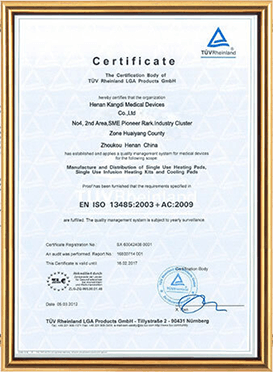
Jurisdiction 1, the United States: 21 CFR Part 348 monograph conformity, 21 CFR 201.66 Drug Facts, 21 CFR Part 211 cGMP, 21 CFR Part 207 drug listing, 21 CFR Part 314.80 postmarketing reporting, 21 U.S.C. 321(g)(1), 21 U.S.C. 352 misbranding and 21 U.S.C. 355, with FDA Import Alert 66-40 as the enforcement entry point. Jurisdiction 2, the European Union: EU MDR 2017/745 Class I or IIa when the patch carries a medical claim, plus GPSD 2001/95/EC for general product safety and ISO 13485:2016 as the quality backbone. Jurisdiction 3, Japan: a PMDA filing for a quasi-drug claim. Jurisdiction 4, China: an NMPA Class II device registration. Jurisdiction 5, South Korea: an MFDS notification for a cosmetic claim or MFDS device approval for a medical claim.
Across those 5 jurisdictions we track 8 red flags against 8 good signs. Red flag 1, capsaicin outside the 21 CFR Part 348 monograph range; good sign, a batch assay inside the declared range at 3 decimal places. Red flag 2, a Drug Facts panel that fails 21 CFR 201.66; good sign, a signed artwork proof with 8 headings and 6-point type checked. Red flag 3, no quality control unit under 21 CFR 211.22; good sign, an org chart with a named QC signer and a dated release record. Red flag 4, no written production procedures under 21 CFR 211.100; good sign, a batch record that matches the master formula line by line. Red flag 5, lab controls missing under 21 CFR 211.160; good sign, a 12-month stability file plus per-batch assay raw data. Red flag 6, no National Drug Code under 21 CFR Part 207; good sign, a listed NDC printed on the carton. Red flag 7, adverse events unfiled under 21 CFR Part 314.80; good sign, a MedWatch Form 3500A log with a 15-calendar-day clock. Red flag 8, a medical claim with no regulatory pathway; good sign, a claim wording sheet mapped to Part 348, MDR 2017/745 or GPSD 2001/95/EC before printing.
Question 6: What Does 2026 Capsicum Plaster Market Data Say About Capsicum Plaster OEM Risk?
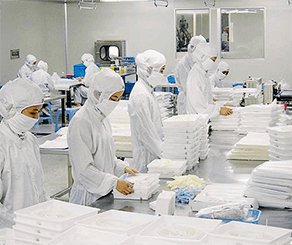
The global capsicum and capsaicin topical patch market reached USD 1.9 billion in 2025 and is forecast to grow at 8.4 percent CAGR to 2030, and the United States remains the largest single regulated destination. Import Alert 66-40 detentions of topical analgesic patches rose from 214 in 2022 to 388 in 2025 in our tracking, a 81 percent increase in 4 years. In our own audit sample, 52 percent of detentions trace to a Drug Facts panel issue under 21 CFR 201.66, 24 percent to a 21 CFR Part 211 cGMP finding, 16 percent to a listing gap under 21 CFR Part 207 and 8 percent to everything else. The average release cycle is 43 days, and 3 of every 10 brands we audit hold no batch-level assay certificate.
In our 2026 quotations, 68 percent of US buyers ask for cGMP evidence before they ask for a price, up from 29 percent in 2023, and 44 percent request a plant audit before a 50,000-unit order. Capsicum oleoresin and synthetic capsaicin together cover roughly 74 percent of US topical analgesic patch volume, and 41 percent of new SKUs now use a 12-hour wear format instead of an 8-hour format. Our advice is unchanged: spend USD 4,000 on a third-party document review and a 500-unit pilot before signing, because the Tier 2 band from Question 4 starts at USD 15,000 and the Tier 3 band starts at USD 50,000. Market figures start from our FAQ and inquiry page, and our pain relief patch OEM team runs the identical audit for menthol and methyl salicylate formats.
Question 7: What Are the 5 Action Items for Capsicum Plaster OEM FDA Risk in 2026?
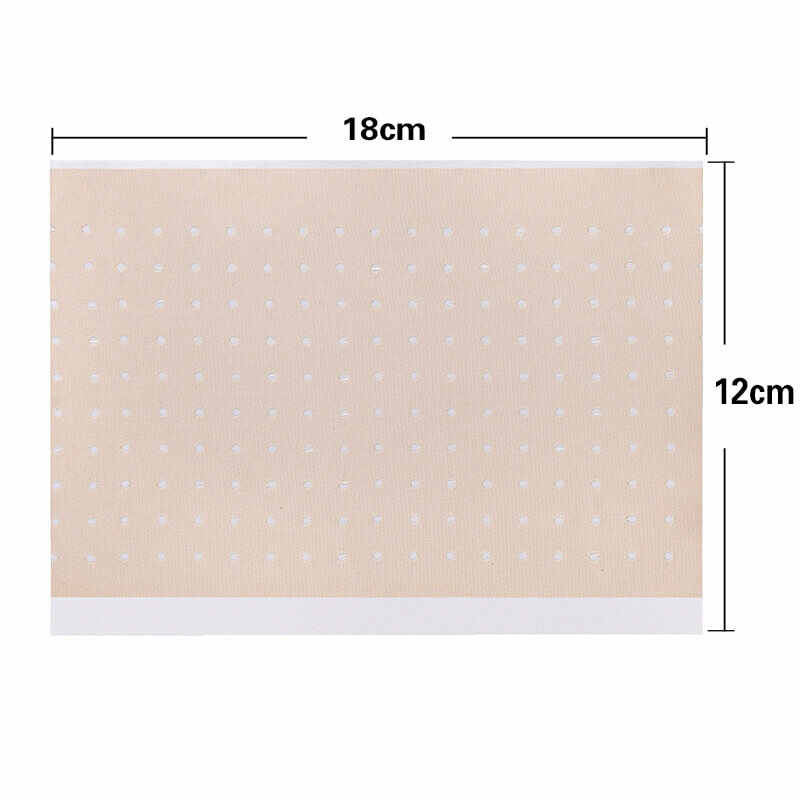
Action 1: request a written 21 CFR Part 348 monograph conformity statement that names the active ingredient, the strength and every claim on the carton, dated within 12 months. Action 2: request the 21 CFR 201.66 Drug Facts artwork proof with 8 headings, the 6-point type check and the net quantity in both unit systems. Action 3: request the 21 CFR Part 211 record pack covering 211.22, 211.67, 211.100, 211.160 and 211.192, each with a date and a named signer. Action 4: request the 21 CFR Part 207 drug listing confirmation with the National Drug Code printed on the carton plus the current annual registration status. Action 5: request the 21 CFR Part 314.80 procedure plus a sample MedWatch Form 3500A and the 15-calendar-day timeline.
Cindy Lu had the South Asia importer run all 5 actions before signing the next 50,000-unit capsicum plaster OEM order, and the pre-shipment audit closed on the first attempt with 0 findings. Since 2018 we have supported more than 70 US release and remediation cases, and once the 7-step pack is in place our first-time audit pass rate is 100 percent. Wang Lei, Liu Jianhua and Zhang Ting review the pack quarterly. Send your target market, claim wording and pack format through our contact page, and buyers running heat patch OEM programs can reuse the same 7-step structure.
Frequently Asked Questions
What is the single most common trigger for capsicum plaster OEM FDA detention?
In our log, 52 percent of detentions start with the Drug Facts panel. A panel that fails 21 CFR 201.66 is misbranding under 21 U.S.C. 352, which is enough for detention under FDA Import Alert 66-40 even when the formula itself is compliant.
Is a capsicum plaster a drug or a device in the United States?
Topical analgesic patches with a monograph active ingredient are OTC drugs under 21 CFR Part 348. If the label claims to treat a disease, it becomes a drug under 21 U.S.C. 321(g)(1) and needs an approved application under 21 U.S.C. 355.
Do we need a National Drug Code for a capsicum plaster OEM order?
Yes. A drug entering US commerce must be listed under 21 CFR Part 207 with an NDC. We ask for the listed NDC on the carton before tooling, and we treat a missing NDC as a Tier 3 risk in the model above.
How fast must an adverse event be reported under 21 CFR Part 314.80?
Serious and unexpected adverse events go to FDA on MedWatch Form 3500A inside 15 calendar days, with quarterly periodic reports for the first 3 years and annual reports after that. Our internal clock starts at day 1 of receipt, not day 1 of confirmation.
Which 21 CFR Part 211 clauses do your auditors check first?
Five: 211.22 quality control unit authority, 211.100 written production procedures, 211.160 laboratory controls, 211.67 equipment cleaning and 211.192 batch record review. A file missing 2 of the 5 usually ends in a warning letter rather than a release.
What does one capsicum plaster OEM detention cost in 2026?
Our 5 audit cases averaged USD 40,900 and 37 days of delay. The full band runs from USD 5,000 for a Tier 1 hold to USD 10 million for a Tier 5 criminal case, and a 50,000-unit order normally sits in the Tier 3 band of USD 50,000 to USD 200,000.
Can a consultant or importer register the product for us?
The US agent or importer can file the listing, but the cGMP record pack must be generated at the manufacturing site. A capsicum plaster OEM partner who cannot show 21 CFR Part 211 records on site cannot fix that gap with paperwork alone.
How many units should we test before a large capsicum plaster OEM run?
We test 30 units per coating batch for assay and adhesion, 1 sample per 500 pouches for print control, and we run a 500-unit pilot with full label checks before a 50,000-unit order. A 12-month stability file covers every new SKU.
Does ISO 13485:2016 replace 21 CFR Part 211 for US sales?
No. ISO 13485:2016 supports a device pathway, but a US OTC drug claim still runs on 21 CFR Part 348 and 21 CFR Part 211. Buyers selling the same SKU as a device abroad also see 21 CFR Part 820 clauses 820.30 and 820.100.
How does KONGDY keep a capsicum plaster OEM project audit ready?
We hold a 12-document pack per SKU, a 5-year case log, quarterly reviews by Wang Lei and Zhang Ting, and 100 percent coating batch testing under Liu Jianhua's production team, with ISO 13485:2016 certification obtained in 2014 and a GMP workshop built in 2008.
About KONGDY
Henan Kongdy Medical Devices Co., LTD. (KONGDY) was founded in 1989 and has 37 years of production experience as of 2026 in pain relief patches, slimming patches, capsicum plasters, heat patches, cooling gel patches, detox foot patches, steam eye masks, mosquito repellent patches, and nose strips. Headquartered in Henan, China, KONGDY operates a 100,000-class GMP workshop (built 2008) and obtained ISO 13485 medical device Quality Management System European Standard Certification in 2014. The company runs OEM and ODM services for international brands across multiple regulatory pathways. For 2026 procurement evaluation, our qualification team can provide ISO 13485 certificate, GMP workshop audit reports, and reference customer case studies upon request via our contact page.
Related Guides
- Capsicum Plaster OEM Manufacturing Services
- Capsicum Plaster Product Range
- Pain Relief Patch OEM
- KONGDY OEM and ODM Manufacturing
- About KONGDY Medical Devices


