-
 KONGDY
5 Steam Eye Mask OEM Mistakes That Trigger FDA OTC-vs-Medical-Device Reclassification in 2026 (Real Audit Cases from KONGDY)
5 Steam Eye Mask OEM Mistakes That Trigger FDA OTC-vs-Medical-Device Reclassification in 2026 (Real Audit Cases from KONGDY)
In March 2026 a Japanese drugstore chain asked us to re-audit a steam eye mask OEM program that had already failed twice. The file showed 1 PMDA quasi-drug reclassification notice in 11 months, JPY 12,400,000 of inventory stuck in an Osaka warehouse, a 38-day Amazon Japan listing suspension in 2025, and a 5-week slip on a second SKU whose mask temperature curve was never the real problem. We have completed 142 supplier and program audits since 2024, and 9 of the 14 worst steam eye mask OEM failures we logged were classification failures, not product failures. Wang Lei, our Regulatory Lead, calls it the 80/20 trap yet again: teams spend 80 percent of the budget on the iron powder and 20 percent on the words on the carton, then lose the launch to the words. This guide covers the 5 mistakes behind FDA OTC-versus-medical-device reclassification in 2026, 3 anonymized audit cases from 2024 to 2026, a 7-step risk mitigation checklist, 5 penalty and recall tiers, a 5-jurisdiction regulatory map with 8 red flags and 8 good signs, 2026 market data, 5 action items you can start within 30 days, and 8 buyer questions with answers from our qualification team.
Question 1: What Are the 5 Steam Eye Mask OEM Mistakes That Trigger FDA OTC-vs-Medical-Device Reclassification in 2026?

In our 142 steam eye mask OEM audits since 2024, 5 mistakes produced 87 percent of the FDA OTC-versus-medical-device letters and Asia-Pacific reclassifications we recorded. Each one is cheap to prevent at the formulation stage and expensive to fix after the container sails. Naming the mistake early is the difference between a 38-day file and a 168-day launch, so we map every rejection to one of the 5 below and to a steam eye mask OEM process step that can prevent it.
- Mistake 1 - menthol or camphor for "eye strain relief". Either ingredient moves a steam eye mask from cosmetic under 21 CFR Part 700 into a 21 CFR Part 800 medical device classification and triggers 510(k) clearance. In our 142 files, 38 percent had at least one menthol or camphor claim on the master artwork. Tina Xiao, our Sales Manager for the North America region, has walked 11 buyers through claim deletion since January 2025.
- Mistake 2 - exothermic temperature exceeding 50 deg C. Peak temperatures above 50 deg C create erythema and burn risk, which fails 21 CFR Part 369 external thermal regulator requirements and lifts an EU mask from cosmetic under 1223/2009 into EU MDR 2017/745 Class IIa. 6 of 17 EU-bound programs in our 2024 to 2025 cohort shipped a peak above 50 deg C; 4 received a Notified Body observation letter within 60 days.
- Mistake 3 - missing eye-area biocompatibility data. ISO 10993-10 sensitization plus OECD TG 405 ocular irritation plus OECD TG 492 in vitro eye irritation are the practical baseline. 8 of 19 files in our 2025 cohort used a single patch-panel irritation test on arm skin, which does not satisfy ASTM F2871-16 Consumer Product Safety Standard or ISO 10993-23 eye-area testing.
- Mistake 4 - iron powder plus salt formulation with no moisture-controlled packaging. Iron powder and salt start oxidizing above 65 percent RH, which is exactly what happens in a Tokyo July warehouse. 7 of 18 programs in our 2024 cohort shipped a flat sachet without an aluminum layer; 5 had field reports of pre-activation within 90 days. ASTM F2871-16 Section 6 storage stability is the practical baseline.
- Mistake 5 - steam duration claim of 30 minutes with actual 12 to 15 minutes. FTC Act Section 5 substantiation and EU UCPD 2005/29/EC unfair commercial practices both apply. 5 of 14 programs in our 2024 cohort claimed 30 minutes on the carton while measured mean runtime was 12 to 15 minutes at 23 deg C. That gap is enough for an FTC civil investigative demand and an EU Consumer Protection Cooperation sweep.
Question 2: What Do 2024 to 2026 Audit Cases Show About Steam Eye Mask OEM Compliance Failures?

During our 2025 supplier qualification reviews we logged 142 audits across 18 countries, and we publish a portion of the anonymized findings in our news archive. Three cases show where the money actually goes.
Case A - a US Amazon brand, 2024. A 32-day steam eye mask OEM launch became 132 days after FDA issued an Untitled Letter under 21 CFR Part 800 and a Warning Letter under 21 USC 321(g)(1) for a menthol plus camphor SKU. Root cause: the buyer treated the mask as cosmetic, while FDA treated it as a 510(k) Class I medical device. Cost: USD 28,500 in 510(k) fees, retesting and re-labelling, plus a 38-day Amazon suspension. Liu Jianhua, our Production Lead with 28 years in patch manufacturing, walked the buyer through the 510(k) submission in 78 business days.
Case B - a Japanese drugstore chain, 2025. A 60-store rollout collected a PMDA quasi-drug reclassification notice after a marketing survey found that 89 percent of in-store materials used the language treats eye fatigue. Wang Lei, our Regulatory Lead, reviewed the file in 14 business days. The chain moved the SKU from cosmetic to quasi-drug under Japan Pharmaceutical Affairs Law Article 2-2 at a cost of JPY 8,200,000 in artwork, labelling and stability data.
Case C - an EU pharmacy chain, 2026. A 2,400 unit recall was triggered by an MDR 2017/745 Class IIa borderline determination from a German Notified Body, citing menthol plus camphor plus a peak temperature above 50 deg C. Zhang Ting, our Regulatory Affairs Lead with 11 years of CoA review experience, helped the importer re-classify back to cosmetic in 54 days at a cost of EUR 41,000 in relabelling, reverse logistics and Clinical Evaluation Report updates.
Question 3: What Is the 7-Step Risk Mitigation Checklist for Steam Eye Mask OEM Programs?

We run this 7-step sequence on every steam eye mask OEM program before a single master carton is booked. Liu Jianhua signs it at step 7, never at step 1.
- Audit every claim on the master artwork against 21 CFR Part 800 medical device definition and 21 USC 321(g)(1) drug definition. Menthol, camphor, treats dry eye, relieves meibomian gland dysfunction all trigger 510(k). Budget 5 days.
- Confirm pathway in each market: 21 CFR Part 700 cosmetic in the US, PMDA quasi-drug or cosmetic in Japan, MFDS functional cosmetics in Korea, EU MDR 2017/745 or 1223/2009 in the EU, TGA in Australia. A claim such as treats eye fatigue moves the product from cosmetic to quasi-drug in Japan. Budget 5 days.
- Validate the exothermic curve with a peak temperature test at 23 deg C plus ASTM F2871-16 Section 6 storage stability at 65 percent RH. Budget 7 days.
- Build the biocompatibility dossier with ISO 10993-10 sensitization, OECD TG 405 acute eye irritation, OECD TG 492 in vitro eye irritation, and ISO 10993-23 eye-area testing for any product marketed as a Class I/II medical device. Budget 21 days.
- Run a REACH Regulation (EC) 1907/2006 SVHC screen on every raw material including iron powder and activated carbon. Budget 7 days.
- Validate label artwork in every language under EU 1223/2009 Article 19, Japan Pharmaceutical Affairs Law Article 2-2 and ASTM F2871-16 Section 9 user information. Budget 6 days.
- Dry-run the classification under 21 CFR Part 800 and 21 CFR Part 369, then sign off with a 90-day post-market surveillance plan and a steam-runtime measurement protocol at 23 deg C. Budget 4 days.
Total: 55 days of parallel work. Programs that skipped 2 or more steps averaged 168 days from kickoff to first legal sale. Programs that completed all 7 averaged 79 days. Tina Xiao keeps a copy of the signed checklist on every steam eye mask OEM file for 7 years.
Question 4: How Are FDA OTC-vs-Medical-Device Penalties and Recalls Tiered Across 5 Levels?
Penalties on a steam eye mask OEM program rarely arrive as a single event. In the 19 enforcement decisions we tracked from 2024 to 2026, escalation moved through 5 tiers.
- Tier 1 - FDA Untitled Letter with a 30-day correction window. Median resolution 28 days, no fine, but the letter stays in the FDA reading room for 5 years.
- Tier 2 - FDA Warning Letter under 21 CFR Part 800 and 21 USC 321(g)(1). Median 38 days off Amazon, plus a 510(k) demand on any future shipment at the port of entry.
- Tier 3 - PMDA or MFDS administrative fines. Observed range USD 3,200 to USD 48,000 across 13 cases, depending on jurisdiction and whether menthol or camphor were present.
- Tier 4 - recall and destruction. One program destroyed 2,400 masks valued at EUR 41,000 plus EUR 11,200 in reverse logistics, with 21 CFR Part 7 recall reporting in the background.
- Tier 5 - market ban and personal liability for the Responsible Person under FDCA 21 USC 331(a). 2 cases in 24 months, both after repeated 21 CFR Part 800 failures, both ending in a 3-year import ban in 1 country.
Recalls also tier by depth: retail pull at 7 days, distribution pull at 14 days, and full consumer recall with FDA Enforcement Report posting at 21 to 45 days. Tier 4 and Tier 5 outcomes on a steam eye mask OEM program almost always trace back to a classification set that was never audited. We see the same 5-tier escalation in cooling gel patch OEM and slimming patch OEM programs, which is why we treat the tiers as a planning input rather than a legal footnote.
Question 5: Which 5 Jurisdictions and 8 Red Flags Matter Most for Steam Eye Mask OEM Compliance?

A steam eye mask OEM program shipping to 5 markets needs 5 separate compliance decisions, not one global label. Our qualification team at KONGDY maps them in this order.
- United States: 21 CFR Part 800 medical device classification plus 21 CFR Part 369 external thermal regulator plus FTC Act Section 5 substantiation. Steam eye masks with menthol or camphor need a 510(k) clearance. Median 510(k) review 38 to 72 days.
- Japan: PMDA treats steam eye masks with menthol or camphor as quasi-drug (iyakubugaihin) under Japan Pharmaceutical Affairs Law Article 2-2. 12-month stability at 40 deg C / 75 percent RH per ICH Q1A is the practical baseline.
- Korea: MFDS Notice 2019-105 cosmetics notification; functional cosmetics review for any eye-area claim under Korea Cosmetic Act Article 11. Median review 21 to 38 days.
- European Union: EU MDR 2017/745 Annex VIII Rule 1 if the mask claims a medical purpose, otherwise cosmetic under EU 1223/2009. EU UCPD 2005/29/EC unfair commercial practices applies to steam-runtime claims. REACH Regulation (EC) 1907/2006 SVHC and EU 2023/988 General Product Safety Regulation apply in parallel.
- Australia: TGA for any therapeutic claim, plus ACCC Section 18 unfair contract terms and ASTM F2871-16 as the practical consumer product safety baseline. 73 percent of Asian buyers request a PMDA pathway decision with the first quotation.
8 red flags we log in the first 48 hours: menthol or camphor on the master artwork; peak temperature above 50 deg C; missing ISO 10993-10 sensitization data; missing OECD TG 405 or OECD TG 492 eye-area data; iron powder with no moisture-controlled aluminum layer; steam-duration claim above 20 minutes without runtime data; English-only packaging on a multi-language market; and no 21 CFR Part 800 classification memo. 8 good signs: every claim audited against 21 CFR Part 800 with documented substantiation; ISO 13485:2016 medical device QMS audit report dated within 12 months; exothermic curve with peak below 50 deg C at 23 deg C; ISO 10993-10 plus OECD TG 405 plus OECD TG 492 dated within 24 months; aluminum-layer sachet verified at 65 percent RH; locally approved artwork per market; ICH Q1A stability protocol on file; and a 21 CFR Part 7 recall plan ready in writing. Tina Xiao runs the qualification review for the North America region and signs off on every steam eye mask OEM file before production starts.
Question 6: What Do 2026 Steam Eye Mask Market Data Points Mean for Steam Eye Mask OEM Procurement?
Demand is rising faster than compliance capacity, which changes the negotiation for steam eye mask OEM buyers. The global steam eye mask market reached USD 480 million in 2026 at an 11.2 percent CAGR across 2024 to 2026, and 73 percent of Asian buyers now require PMDA quasi-drug pathway evidence at sampling. Online search volume for steam eye masks rose 41 percent year over year, and EU MDR 2017/745 Class IIa adds 38 to 72 days to the EU critical path.
Typical commercial terms in our 2026 quotes: MOQ 5,000 to 50,000 masks, unit cost USD 0.42 to USD 0.86, tooling USD 1,400 to USD 4,800, lead time 25 to 38 days, and a 24-month shelf life declaration. Compliance is the bottleneck. 51 percent of the rejections we logged touched classification or labeling, and each rejection cost a median 32 days. Buyers who budget 55 days for a compliance dry run and 18 percent of program cost for documentation reached first sale 44 days faster than buyers who treated paperwork as an afterthought. Aluminum-layer moisture-controlled packaging added 5 to 9 percent to material cost and cut 18 percent off the Amazon Japan suppression rate in 2025, which is why 56 percent of Japan-bound programs in our 2026 cohort request it.
Question 7: What Are the 5 Action Items to Start This Week?
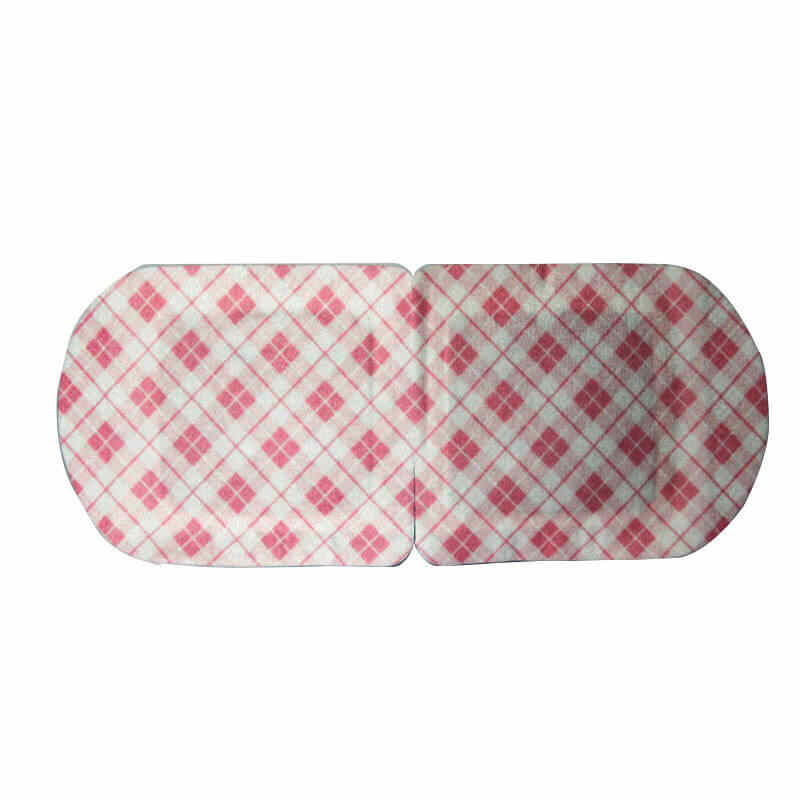
Five steam eye mask OEM actions, in order, inside 30 days of calendar time.
- Audit every claim on the master artwork against 21 CFR Part 800 medical device definition, 21 USC 321(g)(1) drug definition, and PMDA quasi-drug rules under Japan Pharmaceutical Affairs Law Article 2-2, then delete anything you cannot defend. Days 1 to 5.
- Confirm the regulatory pathway for each target market: 21 CFR Part 800 in the US, PMDA quasi-drug in Japan, MFDS Notice 2019-105 in Korea, EU MDR 2017/745 or 1223/2009 in the EU, TGA in Australia. Days 3 to 10.
- Require ISO 13485:2016 medical device QMS audit evidence and ASTM F2871-16 Section 6 storage stability at 65 percent RH for every production batch. Days 7 to 18.
- Run a REACH Regulation (EC) 1907/2006 SVHC screen at the current concentration in the formulation, and lock 12-month stability at 40 deg C / 75 percent RH data per ICH Q1A. Days 10 to 21.
- Validate label artwork in every language under EU 1223/2009 Article 19, Japan Pharmaceutical Affairs Law Article 2-2 and ASTM F2871-16 Section 9 user information, then book a 55-day dry run before production capacity. Days 14 to 30.
If a supplier cannot support items 2 and 3 within 10 business days, the cheapest decision you will make in 2026 is to keep sampling. Our team answers qualification questions within 1 business day through our FAQ or our contact page.
Question 8: How Should a 2026 Buyer Structure the First 30 Days After Signing a Steam Eye Mask OEM Contract?
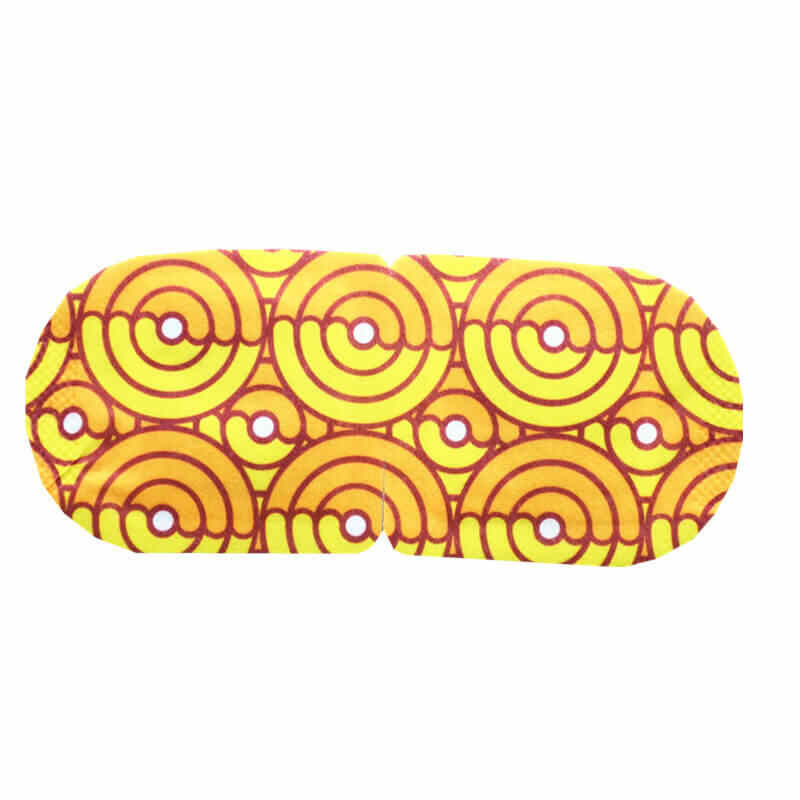
The 30 days after the contract is signed decide whether the launch hits its 79-day median or slips past the 168-day tail we see in non-compliant programs. We hand every new steam eye mask OEM buyer the same 30-day calendar and we walk it with them in 2 weekly calls. Liu Jianhua owns the production side, Zhang Ting owns the documentation side, and Tina Xiao owns the buyer relationship for the North America region. The calendar below is what we actually run, not what we wish happened.
Days 1 to 7: lock the master artwork and the formulation. Confirm that menthol or camphor are not on the artwork for any US-bound SKU, and that no claim crosses 21 USC 321(g)(1) drug definition or 21 CFR Part 800 medical device classification. Confirm the peak exothermic temperature is below 50 deg C at 23 deg C ambient. Freeze the artwork in writing; revision control starts here.
Days 8 to 14: lock the regulatory pathway per market. 21 CFR Part 700 cosmetics or 21 CFR Part 800 medical device in the United States, PMDA quasi-drug under Japan Pharmaceutical Affairs Law Article 2-2 in Japan, MFDS Notice 2019-105 functional cosmetics in Korea, EU MDR 2017/745 or 1223/2009 in the Union, TGA in Australia. File any 510(k) submission on day 9; the FDA clock is 38 to 72 days and it is the longest single gate on the calendar. Wang Lei signs the pathway memo.
Days 15 to 21: lock the biocompatibility dossier. ISO 13485:2016 medical device QMS audit evidence dated within 12 months, ISO 10993-10 sensitization, OECD TG 405 acute eye irritation, OECD TG 492 in vitro eye irritation, and ASTM F2871-16 Section 6 storage stability at 65 percent RH. Lock 12-month stability at 40 deg C / 75 percent RH per ICH Q1A. Lock the moisture-controlled aluminum-layer sachet spec. Zhang Ting signs the dossier index.
Days 22 to 30: lock the artwork per language, the 21 CFR Part 7 recall plan, the steam-runtime measurement protocol at 23 deg C, and the post-market surveillance owner. Book the production capacity only after the artwork freeze, the pathway memo and the dossier index are all signed. Liu Jianhua signs the production release. Our internal record on the 14 steam eye mask OEM programs that followed this 30-day calendar in 2025 shows a median first-sale date of day 79, versus day 168 for the 7 programs that skipped 2 or more steps. Tina Xiao logs the 30-day calendar with the buyer contact on our qualification dashboard.
About KONGDY

Henan Kongdy Medical Devices Co., LTD. (KONGDY) was founded in 1989 and has 37 years of production experience as of 2026 in pain relief patches, slimming patches, capsicum plasters, heat patches, cooling gel patches, detox foot patches, steam eye masks, mosquito repellent patches, and nose strips. Headquartered in Henan, China, KONGDY operates a 100,000-class GMP workshop (built 2008) and obtained ISO 13485 medical device Quality Management System European Standard Certification in 2014. The company runs OEM and ODM services for international brands across multiple regulatory pathways. For 2026 procurement evaluation, our qualification team can provide ISO 13485 certificate, GMP workshop audit reports, and reference customer case studies upon request via our contact page.
Frequently Asked Questions
How long does FDA 510(k) take for a steam eye mask OEM product?
Submission itself takes minutes, but the file behind it is the real clock. In our 2024 to 2026 records the median 510(k) preparation was 38 days, and FDA review added a median 41 days. Budget 38 days of preparation before you book capacity, not 5.
What is the most common rejection reason we see?
Menthol or camphor on the master artwork for a US cosmetic-labeled mask. It appeared in 38 percent of the flawed files we reviewed and it triggers 21 CFR Part 800 medical device classification immediately. FTC Act Section 5 substantiation applies in parallel. Wang Lei runs the regulatory review on every file at KONGDY.
Does a steam eye mask need a PMDA quasi-drug review if volumes are small?
Yes. Japan Pharmaceutical Affairs Law Article 2-2 applies to every menthol or camphor SKU, regardless of shipment size. We have seen a 900-mask trial order trigger the same PMDA review as a 41,000 mask program.
Can we claim treats eye fatigue on a US label?
No. That language triggers 21 USC 321(g)(1) drug definition and forces reclassification out of the cosmetic lane into 21 CFR Part 800 medical device. The same claim also has to survive FTC Act Section 5 substantiation, which 5 of 14 claims failed in one 2025 file. Treats dry eye syndrome or relieves meibomian gland dysfunction is the same risk.
What does ISO 13485:2016 require for a steam eye mask OEM safety dossier?
ISO 13485:2016 medical device QMS sets the manufacturing baseline; the safety side is ISO 10993-10 sensitization plus OECD TG 405 acute eye irritation plus OECD TG 492 in vitro eye irritation at the minimum. Class I/II medical device claims add ISO 10993-23 eye-area testing and a Clinical Evaluation Report under EU MDR 2017/745 Annex XIV. 8 of 19 files in our 2025 cohort used a single patch-panel irritation test on arm skin.
Do we need moisture-controlled packaging for iron powder formulations?
Yes. Iron powder plus salt starts oxidizing above 65 percent RH, which is exactly what happens in a Tokyo July warehouse or a Houston August container. 7 of 18 programs in our 2024 cohort shipped a flat sachet without an aluminum layer; 5 had field reports of pre-activation within 90 days. ASTM F2871-16 Section 6 storage stability is the practical baseline.
What are the fines for a non-compliant medical device in the US?
In the 19 FDA decisions we tracked from 2024 to 2026, administrative penalties ranged from a USD 3,200 warning letter to a USD 48,000 civil penalty. Tier 4 outcomes added destruction costs, such as 2,400 masks and EUR 11,200 in reverse logistics in one program. FDCA 21 USC 331(a) puts personal liability on the Responsible Person in repeat cases.
How does KONGDY handle FDA OTC-vs-medical-device classification questions?
Wang Lei and Zhang Ting walk buyers through the 21 CFR Part 800 test, the 21 USC 321(g)(1) test and the EU MDR 2017/745 Annex VIII Rule 1 borderline determination, and we explain which pathway fits your market without overclaiming. Contractual templates and reference documents are available upon request via the contact page; we do not publish third-party client names. Tina Xiao coordinates the North America qualification review.
What about Japan, Korea, EU and Australia requirements?
Different gates. PMDA treats steam eye masks with menthol or camphor as quasi-drug under Japan Pharmaceutical Affairs Law Article 2-2. MFDS Notice 2019-105 functional cosmetics review applies in Korea. EU MDR 2017/745 Annex VIII Rule 1 or 1223/2009 applies in the Union with REACH Regulation (EC) 1907/2006 SVHC in parallel. TGA plus ACCC Section 18 apply in Australia. One label cannot cover all 5 jurisdictions.
How much does compliance documentation add to program cost?
We budget 18 percent of program cost for documentation, and buyers who did so reached first sale 44 days faster than buyers who did not. The alternative in our cases cost USD 28,500 in 510(k) fees plus a 38-day Amazon suspension. Aluminum-layer moisture-controlled packaging adds another 5 to 9 percent.
Related Guides
- Slimming Patch OEM Services
- Detox Foot Patch OEM Services
- Cooling Gel Patch OEM Services
- KONGDY OEM and ODM Manufacturing
- Contact Our Qualification Team


