-
 KONGDY
Why Is Cleanroom Production Necessary for Medical Cooling Gel Patch Manufacturing?
Cleanroom production has become a standard requirement in the modern medical and healthcare product industry. For products applied directly to the skin—such as Medical Cooling Gel Patches—cleanroom environments ensure safety, consistency, and regulatory compliance. Whether you are a Medical Cooling Gel Patch Manufacturer, a Medical Cooling Gel Patch OEM partner, or a Medical Cooling Gel Patch Supplier serving global brands, cleanroom production is no longer optional; it is a critical foundation of product quality.
For brands seeking to develop a Custom Medical Cooling Gel Patch or launch a Private Label Medical Cooling Gel Patch, understanding why cleanroom-controlled environments matter is key to making informed decisions. This article explores the importance of cleanroom production, its role in quality assurance, its impact on global market compliance, and how it enhances brand competitiveness.
1. Introduction: Why Clean Environments Matter in Medical Patch Production
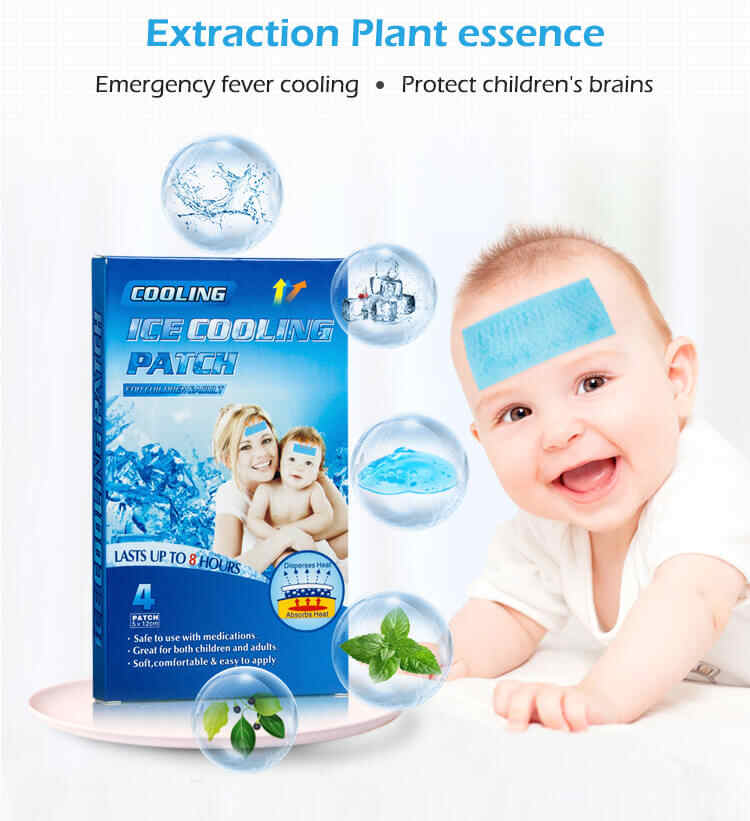
Medical Cooling Gel Patches are used for fever relief, headache relief, postoperative cooling, sports injury management, and general discomfort reduction. Because they are applied on sensitive skin—including babies, elder patients, and individuals with skin allergies—safety and hygiene must be guaranteed.
A cleanroom environment:
Controls airborne particles
Maintains low microbial loads
Ensures contamination-free production
Supports consistent product quality
Meets regulatory expectations for medical and quasi-medical products
Without these conditions, the risk of contamination, product failure, and consumer injury increases significantly.
This is why any responsible Medical Cooling Gel Patch Manufacturer today invests heavily in standardized cleanrooms—typically class 100,000 (ISO 8) or above.
2. What Is a Cleanroom in Medical Cooling Gel Patch Manufacturing?
A cleanroom is a controlled environment where particulate and microbial contamination is minimized according to specific standards. These standards include ISO 14644, GMP requirements, and in some regions, FDA or CE guidelines.
For a Medical Cooling Gel Patch OEM or supplier, cleanroom production specifically ensures:
2.1 Controlled Air Quality
Through HEPA filtration systems, air is constantly filtered and circulated to remove:
Dust
Microorganisms
Aerosol particles
Fibers and foreign matter
2.2 Controlled Humidity and Temperature
The stability of cooling gel formulations depends highly on humidity and temperature control. Cleanrooms ensure consistency across every batch.
2.3 Controlled Personnel Access
Only trained personnel wearing sterile gowns, masks, gloves, and caps may enter. This minimizes human-based contamination.
2.4 Sterilized Surfaces and Equipment
All production equipment used for Custom Medical Cooling Gel Patches must be disinfected regularly, ensuring no residual contaminants interfere with the gel formula.
3. Why Cleanroom Production Is Necessary for Medical Cooling Gel Patches
Cleanroom production is not an industry trend—it is a requirement rooted in product safety, quality control, and compliance.
3.1 Ensures Microbial Safety for Skin-Contact Products
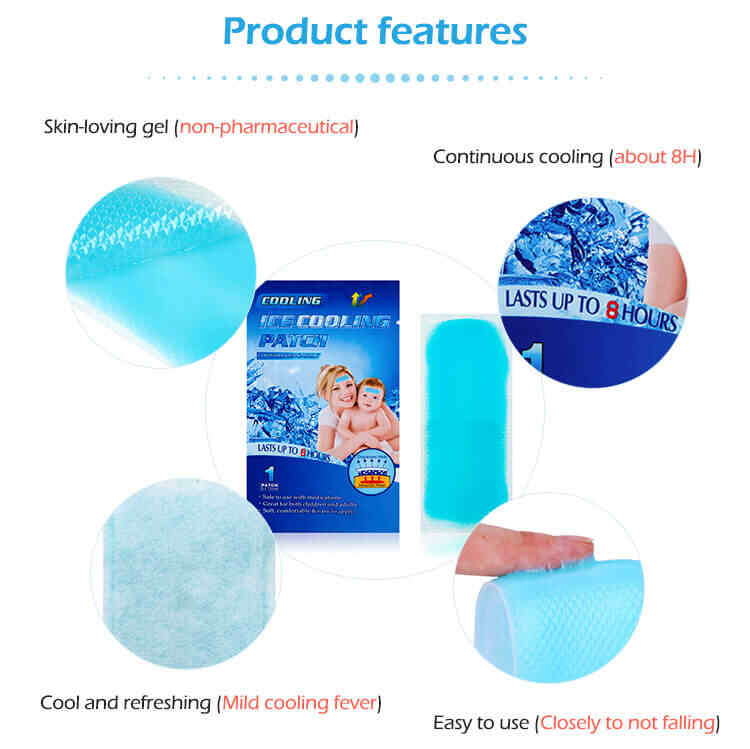
Medical Cooling Gel Patches contain high water content, gel polymers, and active cooling agents. These ingredients can become a breeding ground for bacteria if manufacturing conditions are not controlled.
Cleanrooms help prevent:
Bacterial contamination
Mold growth
Microbial imbalance
Skin irritation and allergic reactions
Consumers—including children—expect Medical Cooling Gel Patches to be gentle and safe. Cleanroom standards make this possible.
3.2 Prevents Foreign Particle Contamination
Particles such as dust, hair, textile fibers, or machine debris can compromise product integrity. A Medical Cooling Gel Patch Supplier without cleanroom production faces:
High defect rates
Lower consistency
Customer complaints
Increased product returns
Damage to brand credibility
For brands selling a Private Label Medical Cooling Gel Patch, consistency and visual clarity are essential to user trust and repeat purchase.
3.3 Supports Formula Stability and Performance
Cooling gel patches rely on a uniform mixture of:
Hydrogel
Water
Polyols
Preservatives
Plant extracts
Cooling agents like menthol
Any contamination can disrupt:
Cooling effect stability
Adhesive performance
Gel transparency
Shelf life
Cleanrooms protect the formula from environmental contamination, ensuring performance remains stable for 2–3 years.
3.4 Regulatory Compliance for Global Market Access
If your goal is to export Medical Cooling Gel Patches to markets such as the EU, USA, Japan, Korea, or Southeast Asia, cleanroom production is essential.
Regulatory bodies expect:
ISO-certified production
GMP-standard cleanrooms
Documentation of environmental controls
Batch traceability
A Medical Cooling Gel Patch OEM operating without cleanrooms will struggle to meet compliance standards such as:
FDA (U.S.) cosmetics/medical device guidelines
CE Marking (EU)
ISO 13485 medical device quality systems
ASEAN Cosmetic Directive
Japan MHLW guidelines
Without cleanroom production, global export becomes nearly impossible.
3.5 Reduces Risk of Liability for Brands and Distributors
Selling a Private Label Medical Cooling Gel Patch comes with brand responsibility. If consumers experience irritation or contamination, legal risks escalate.
Cleanroom manufacturing reduces:
Lawsuit probability
Compensation claims
Product recall risks
Brands gain peace of mind knowing every batch meets strict hygiene standards.
4. Cleanroom Grades Used by Leading Medical Cooling Gel Patch Manufacturers
Not all cleanrooms are equal. The typical standards in this industry include:
| Cleanroom Grade | ISO Standard | Common Application |
|---|---|---|
| Class 100,000 | ISO 8 | Gel preparation, coating |
| Class 10,000 | ISO 7 | Sensitive material handling |
| Class 1,000 | ISO 6 | High-purity packaging |
A high-end Medical Cooling Gel Patch Manufacturer may use multiple cleanroom classes in different stages:
Gel mixing → ISO 8
Coating and shaping → ISO 7
Final packaging → ISO 7 or ISO 6
This tiered approach ensures a fully hygienic production chain.
5. How Cleanroom Production Enhances Private Label and Customization Projects
Choosing a cleanroom-certified Medical Cooling Gel Patch OEM gives brands a significant advantage in both product development and long-term market positioning.
5.1 Higher Precision for Custom Medical Cooling Gel Patch Formulas
Customization requires precise:
Active ingredient concentration
Gel viscosity
Adhesion strength
Patch thickness
Fragrance and plant extracts
Cleanrooms maintain consistent environmental conditions, allowing reproducibility of high-quality formulations.
5.2 Better Brand Reputation for Private Label Products
Private Label Medical Cooling Gel Patch projects rely on:
consumer trust
stable performance
safe ingredients
clean production
A brand that partners with a cleanroom-based Medical Cooling Gel Patch Supplier automatically signals professionalism and high standards.
5.3 More Attractive to Retailers and Global Distributors
Distributors prefer products manufactured in controlled environments because it reduces risk and makes import approval easier.
Retailers often ask:
Does your manufacturer use cleanroom production?
Are they ISO and GMP certified?
Cleanroom-based OEMs immediately meet these expectations.
6. The Risks of Producing Cooling Gel Patches Without a Cleanroom
To understand why cleanrooms are necessary, it helps to consider the risks of producing without one.
6.1 Higher likelihood of microbial contamination
This can lead to:
Skin irritation
Redness
Breakouts
Infection in sensitive users
6.2 Inconsistent product texture and adhesion
Gel may become:
Lumpy
Too soft/hard
Unevenly coated
6.3 Higher defect and rejection rates
A lack of air-quality control increases defects like:
Visible black spots
Air bubbles
Surface particles
Uneven edges
6.4 Shorter shelf life
Contaminants accelerate gel breakdown, reducing shelf stability.
6.5 Regulatory non-compliance
Most countries will reject products from uncertified environments.
7. How a Medical Cooling Gel Patch OEM Maintains Cleanroom Standards
Professional OEMs implement strict protocols such as:
HEPA air filtration
Positive pressure systems
Daily microbial testing
Regular equipment sanitation
Worker hygiene protocols
Environmental monitoring logs
Batch traceability
This ensures each Private Label Medical Cooling Gel Patch meets global standards.
8. Why Brands Should Only Partner with Cleanroom-Certified Manufacturers
Whether you are developing a Custom Medical Cooling Gel Patch or expanding your Private Label line, choosing the right production partner directly affects product success.
8.1 Long-term safety and risk control
8.2 Smoother international expansion
8.3 Stronger consumer trust
8.4 Higher product consistency
8.5 Compliance with global regulatory demands
In short, cleanroom production is essential for both brand protection and product quality.
Related Questions & Short Answers
1. Do all Medical Cooling Gel Patch Manufacturers need cleanrooms?
Yes. Cleanroom production is critical to ensuring hygiene, safety, and regulatory compliance.
2. What cleanroom level is standard for Medical Cooling Gel Patch OEM factories?
ISO 8 (Class 100,000) is standard, with ISO 7 for more sensitive stages.
3. Can I export Private Label Medical Cooling Gel Patches without cleanroom production?
Nearly impossible. Most markets require GMP- or ISO-certified cleanroom production.
4. Does cleanroom production increase cost significantly?
Costs may be slightly higher, but improved safety and fewer defects reduce long-term expenses.
5. Is cleanroom production needed even for baby cooling gel patches?
Absolutely. Baby products require the highest level of hygiene.


