-
 KONGDY
Why Are Some Herbal Detox Foot Patches More Expensive Than Others? A Complete Cost and Value Breakdown
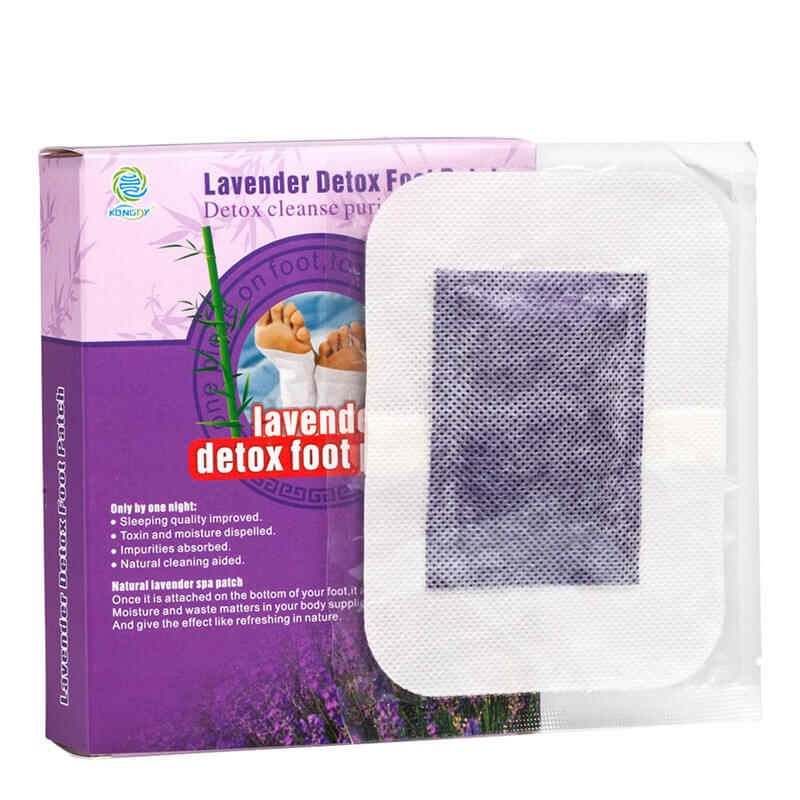
As consumer interest in natural wellness solutions continues to rise, Herbal Detox Foot Patches have become a popular product category across global markets. However, buyers—whether distributors, brand owners, or retailers—often notice a wide price range among similar-looking products. This leads to a critical question:
Why are some Herbal Detox Foot Patches more expensive than others?
This in-depth article provides a structured, SEO-optimized explanation from the perspective of sourcing, manufacturing, and branding. It is designed to help brands and buyers understand pricing differences when working with a Herbal Detox Foot Patches Manufacturer, Herbal Detox Foot Patches OEM, or Herbal Detox Foot Patches Supplier, and to make more informed purchasing and positioning decisions.
1. Price vs. Value: Understanding the Real Cost of Herbal Detox Foot Patches
At first glance, many detox foot patches appear similar in size, packaging, and function. However, pricing reflects far more than appearance. The final cost is shaped by:
Ingredient quality and sourcing
Manufacturing standards and technology
Customization level
Compliance and certification
Branding and market positioning
Higher-priced products are often designed to deliver greater consistency, safety, and brand credibility, not just a physical patch.
2. Ingredient Quality and Formulation Complexity
2.1 Raw Material Sourcing
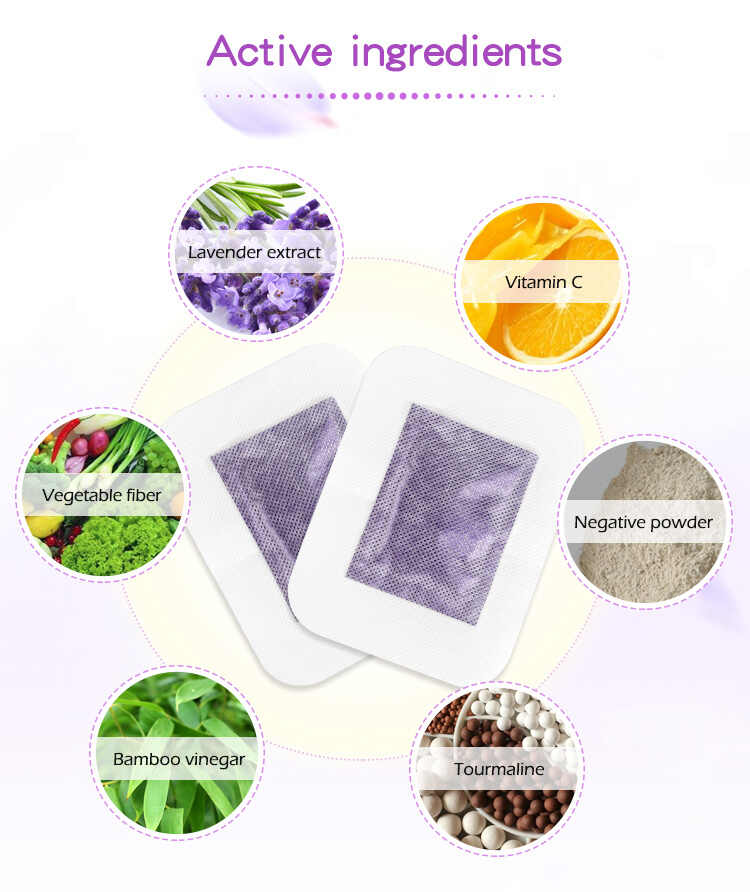
One of the biggest price differentiators lies in ingredient quality. Premium Herbal Detox Foot Patches Manufacturers often source:
High-purity herbal extracts
Food- or cosmetic-grade botanical powders
Traceable, sustainably sourced raw materials
Lower-cost products may rely on:
Generic or blended herbs with inconsistent potency
Less stringent supplier qualification
Better ingredients increase production cost but support stronger product claims and brand trust.
2.2 Custom vs. Standard Formulations
Custom Herbal Detox Foot Patches typically cost more than standardized formulations because they involve:
Proprietary ingredient ratios
Multiple sample iterations
Performance optimization
By contrast, Private Label Herbal Detox Foot Patches use pre-developed formulas shared across multiple brands, significantly reducing cost.
3. Manufacturing Standards and Production Technology
3.1 GMP and Quality Control Systems
A reputable Herbal Detox Foot Patches Manufacturer investing in:
GMP-certified facilities
In-process inspections
Batch-level traceability
will naturally incur higher operational costs than factories operating with minimal quality oversight.
These investments directly affect:
Product consistency
Safety assurance
Brand reputation
3.2 Automation vs. Manual Production
Advanced Herbal Detox Foot Patches OEMs may use automated filling, sealing, and inspection systems to ensure precision and hygiene. While automation increases upfront investment, it:
Reduces contamination risk
Improves uniformity
Supports scalable production
Manual production can be cheaper but often results in variable quality.
4. Level of Customization and Branding
4.1 Product Customization
Custom features add cost, including:
Unique patch materials
Customized herbal blends
Fragrance or texture adjustments
Brands choosing Custom Herbal Detox Foot Patches pay for exclusivity and differentiation, which justifies higher pricing.
4.2 Packaging and Design Investment
Premium packaging is a major contributor to cost:
Custom molds or die-cut packaging
Eco-friendly or specialty materials
High-quality printing and finishing
In contrast, Private Label Herbal Detox Foot Patches often use stock packaging options, reducing expenses.
5. Regulatory Compliance and Certifications
5.1 Market-Specific Compliance
Selling in regulated markets requires:
Ingredient reviews
Safety documentation
Label compliance
A compliant Herbal Detox Foot Patches Supplier incorporates these requirements into product design, which increases cost but reduces legal and commercial risk.
5.2 Certifications and Testing
Products supported by:
Stability testing
Microbial testing
Third-party quality audits
tend to be priced higher due to testing and documentation expenses.
6. Order Quantity and Economies of Scale
6.1 Minimum Order Quantities (MOQs)
Lower-priced products often require:
Larger MOQs
Fewer customization options
Smaller orders increase per-unit cost because setup, labor, and material procurement are spread across fewer units.
6.2 Long-Term Partnerships
Brands with long-term relationships with a Herbal Detox Foot Patches OEM often benefit from:
Optimized cost structures
Volume discounts
Stable supply chains
Short-term or one-off orders usually come at a higher price.
7. Brand Positioning and Market Strategy
7.1 Premium vs. Mass Market Positioning
Price reflects brand strategy:
Premium wellness brands intentionally price higher to signal quality and exclusivity
Mass-market brands prioritize accessibility and volume
The same Herbal Detox Foot Patches Supplier may produce both premium and budget versions for different clients.
7.2 Marketing and Distribution Costs
Higher-priced products often include:
Professional branding development
Influencer or medical-channel marketing
Retail placement costs
These expenses are reflected in the final product price.
8. Risk Management and Reliability
A higher price often includes:
Stable production timelines
Consistent raw material sourcing
Strong after-sales support
Low-cost suppliers may reduce prices by cutting corners, increasing the risk of:
Quality complaints
Delays
Reputational damage
From a business perspective, reliability has measurable financial value.
9. Comparing Private Label and Custom Pricing Models
| Factor | Private Label Herbal Detox Foot Patches | Custom Herbal Detox Foot Patches |
|---|---|---|
| Development Cost | Low | High |
| Unit Price | Lower | Higher |
| Differentiation | Limited | Strong |
| Margin Potential | Moderate | High |
| Brand Control | Limited | Full |
This comparison explains why custom products are often priced higher—and why many brands accept that cost for long-term value.
10. Conclusion: Higher Price Reflects Strategic Value
Herbal Detox Foot Patches are not all created equal. Higher-priced products typically reflect:
✔ Superior ingredients
✔ Advanced manufacturing standards
✔ Customization and exclusivity
✔ Regulatory compliance
✔ Brand positioning and reliability
For brands working with a Herbal Detox Foot Patches Manufacturer or Herbal Detox Foot Patches OEM, understanding these cost drivers is essential to selecting the right product strategy and supplier.
The cheapest option may reduce short-term costs—but the right-priced option often delivers better margins, lower risk, and stronger brand credibility.
Frequently Asked Questions (FAQ)
Q1: Are expensive Herbal Detox Foot Patches always better quality?
A: Not always, but higher prices often reflect better ingredients, stricter quality control, and stronger compliance systems.
Q2: Why do Custom Herbal Detox Foot Patches cost more than private label options?
A: Custom products require formulation development, testing, and exclusive production, which increase costs.
Q3: Can a Herbal Detox Foot Patches OEM offer both premium and budget products?
A: Yes. Many OEMs produce multiple tiers depending on ingredient quality, customization level, and order volume.
Q4: How can I control costs when sourcing Herbal Detox Foot Patches?
A: Work closely with your supplier to optimize formulations, packaging, and order quantities without sacrificing quality.
Q5: Is it risky to choose the lowest-priced Herbal Detox Foot Patches Supplier?
A: Low prices may indicate reduced quality control or compliance, which can lead to long-term financial and reputational risks.


