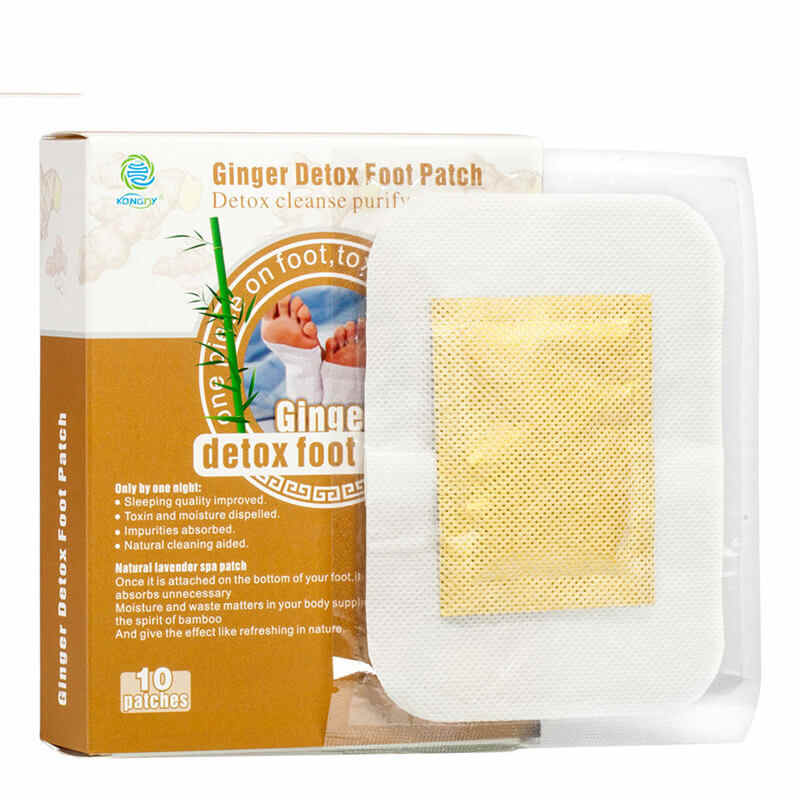
-
 KONGDY
Do Custom Herbal Detox Foot Patches Have Higher Margins? A Strategic Profitability Analysis for Wellness Brands
In the fast-growing global wellness industry, profit margin optimization has become just as important as product innovation. Among detox-related products, Herbal Detox Foot Patches continue to attract brands looking to capture health-conscious consumers. However, one strategic question frequently arises:
Do Custom Herbal Detox Foot Patches have higher margins compared to Private Label Herbal Detox Foot Patches?
This article provides an in-depth, driven analysis designed for brand owners, distributors, and importers evaluating partnerships with a Herbal Detox Foot Patches Manufacturer, Herbal Detox Foot Patches OEM, or Herbal Detox Foot Patches Supplier. We will examine cost structures, pricing power, brand differentiation, and long-term profitability to determine whether customization truly delivers higher margins.
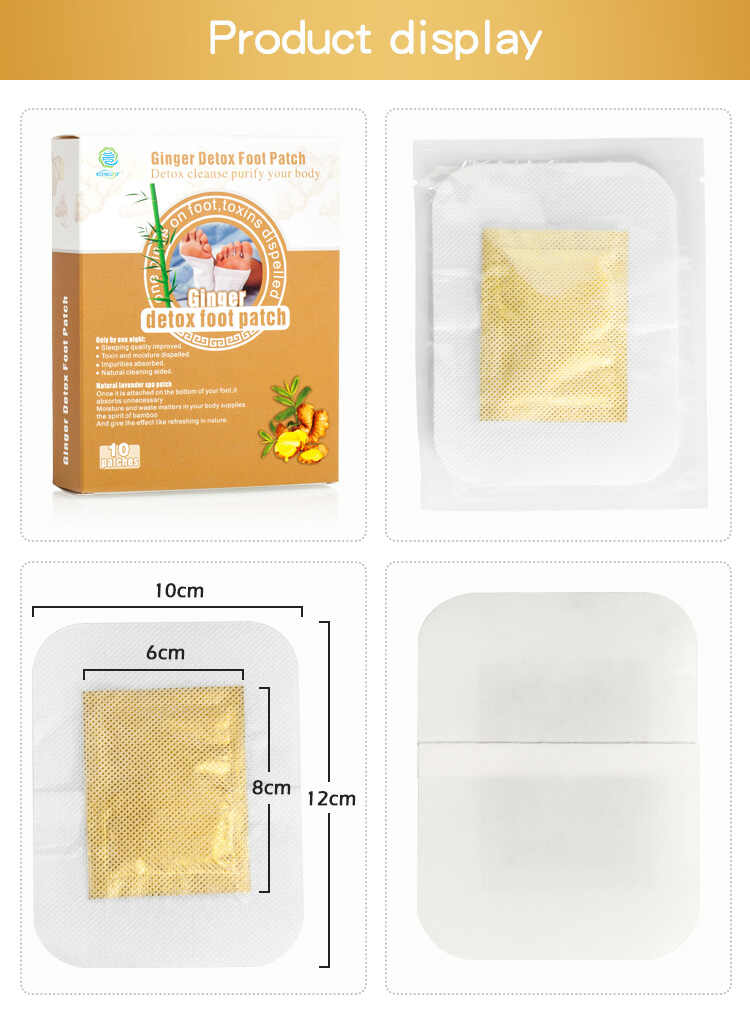
1. Understanding Margins in the Herbal Detox Foot Patches Market
Before comparing models, it is essential to define what “higher margins” actually mean in this context.
Profit margin is influenced by:
Manufacturing cost per unit
Packaging and customization expenses
Branding and marketing investments
Wholesale and retail pricing flexibility
Market positioning and perceived value
While Private Label Herbal Detox Foot Patches often provide lower production costs, Custom Herbal Detox Foot Patches may unlock premium pricing opportunities that significantly impact margins.
2. What Are Custom Herbal Detox Foot Patches?
Custom Herbal Detox Foot Patches are developed through close collaboration with a Herbal Detox Foot Patches OEM or manufacturer to create a unique product. Customization may include:
Proprietary herbal ingredient blends
Specialized absorbent materials or patch structures
Unique fragrance or herbal profiles
Custom packaging, branding, and messaging
Market-specific formulations (e.g., EU vs. US compliance focus)
Unlike private label products, which rely on existing formulations, custom products aim to create differentiation and exclusivity.
3. Cost Structure: Custom vs. Private Label
3.1 Manufacturing Costs
From a purely production standpoint:
Private Label Herbal Detox Foot Patches benefit from standardized production, shared raw materials, and economies of scale.
Custom Herbal Detox Foot Patches usually incur higher costs due to:
Custom ingredient sourcing
Small-batch pilot testing
Additional quality and stability evaluations
A Herbal Detox Foot Patches Manufacturer may charge higher MOQs or setup fees for custom projects, increasing upfront investment.
3.2 R&D and Development Costs
Custom products typically require:
Formula development or modification
Sample iterations
Performance and safety assessments
These R&D costs are absent or minimal in private label models, directly impacting short-term margins.
Conclusion so far: Custom products have higher costs, but cost alone does not define margin potential.
4. Pricing Power: The Core Driver of Higher Margins
4.1 Brand Differentiation Enables Premium Pricing
Margins are ultimately driven by selling price, not just production cost. Customization allows brands to:
Tell a unique brand story
Emphasize exclusive herbal blends
Highlight innovation and differentiation
Avoid direct price comparison with competitors
Consumers are more willing to pay a premium for products they perceive as unique, especially in wellness categories.
A generic private label product sold at USD 3.50 may generate less margin than a custom product sold at USD 6.50—even if the custom unit costs USD 1 more to produce.
4.2 Reduced Price Competition
Private label products often face intense competition because:
Similar formulations are available from multiple suppliers
Retailers and online marketplaces easily compare prices
With Custom Herbal Detox Foot Patches, brands escape direct price wars, protecting margins over time.
5. Marketing Efficiency and Margin Sustainability
5.1 Lower Marketing Cost Per Unit
Custom products tend to convert better because:
Unique features simplify marketing messaging
Claims and benefits feel more credible
Consumers perceive higher value
This can reduce cost-per-acquisition (CPA), improving net margins even if manufacturing costs are higher.
5.2 Long-Term Brand Equity
Private label strategies often focus on speed and cost efficiency, while custom products build brand equity, which compounds over time.
A strong brand:
Commands higher prices
Retains customers longer
Reduces reliance on discounts
These factors significantly improve lifetime margins.
6. Role of the Herbal Detox Foot Patches OEM and Supplier
Not all manufacturers are equally capable of supporting high-margin custom products. A reliable Herbal Detox Foot Patches Supplier plays a critical role by offering:
Technical formulation expertise
Cost-efficient sourcing strategies
Scalable production solutions
Regulatory guidance for global markets
An experienced Herbal Detox Foot Patches OEM can optimize formulations to balance performance, compliance, and cost—directly influencing margins.
7. Scalability: Do Custom Products Scale Profitably?
A common concern is whether custom products remain profitable at scale.
7.1 Economies of Scale Still Apply
Once a custom formula is finalized:
Ingredient costs decrease with volume
Manufacturing efficiency improves
Packaging costs drop at higher MOQs
Over time, unit costs may approach private label levels while maintaining premium pricing—creating superior margins.
7.2 Portfolio Strategy
Many successful brands use a hybrid model:
Entry-level Private Label Herbal Detox Foot Patches for volume
Premium Custom Herbal Detox Foot Patches for margin
This balanced approach maximizes total profitability.
8. Regulatory and Compliance Impact on Margins
Custom formulations require careful compliance management, especially for international sales. However, proactive regulatory design can:
Prevent costly recalls
Reduce reformulation expenses
Support premium positioning as “high-quality” or “market-specific”
A compliant product protects margins by minimizing operational risk.
9. Risk vs. Reward: Are Higher Margins Guaranteed?
It is important to note:
Custom products do not automatically guarantee higher margins
Success depends on execution, branding, and supplier collaboration
Brands without clear positioning or marketing capability may struggle to justify premium pricing, making private label a safer option in early stages.
10. Final Verdict: Do Custom Herbal Detox Foot Patches Have Higher Margins?
Yes — when executed correctly.
While Custom Herbal Detox Foot Patches involve higher upfront and unit costs, they often deliver higher long-term margins due to:
✔ Stronger pricing power
✔ Reduced competition
✔ Brand differentiation
✔ Improved marketing efficiency
✔ Customer loyalty and repeat purchases
For brands aiming to build sustainable value rather than compete solely on price, customization is a strategic margin accelerator.
Frequently Asked Questions (FAQ)
Q1: Are Custom Herbal Detox Foot Patches always more profitable than private label?
A: Not always. Custom products offer higher margin potential, but success depends on branding, positioning, and sales strategy.
Q2: How much higher can margins be with custom products?
A: Margins can be 20–50% higher in well-positioned brands, especially when premium pricing is achieved.
Q3: Can a Herbal Detox Foot Patches OEM help control custom product costs?
A: Yes. An experienced OEM can optimize ingredient selection and production processes to protect margins.
Q4: Are Private Label Herbal Detox Foot Patches better for startups?
A: Private label is often ideal for market testing, while custom products suit brands planning long-term growth.
Q5: How do I choose the right Herbal Detox Foot Patches Supplier for customization?
A: Look for technical expertise, transparent cost structures, regulatory support, and proven customization experience.


