-
 KONGDY
Which Nose Strip OEM Will Pass Your 2026 ESG Audit? (Updated Buyer's Guide)
Which Nose Strip OEM Will Pass Your 2026 ESG Audit? (Updated Buyer's Guide)
Last September, a German wellness brand called us after their nose strip shipment had been pulled from 47 DM (Drogerie Markt) stores within 14 days of launch. Their previous supplier had provided a 2024 GMP certificate. The problem was not the certificate itself - the problem was that the certificate was for a different product category (topical skin patch), not for the nasal strip class. The German retailer's compliance team flagged the mismatch, and the brand's first retail partnership dissolved within 21 days. Their recovery cost - legal counsel, retailer re-engagement, supply chain re-mapping - totaled approximately EUR 38,000 in 90 days.
We've been manufacturing nasal strips at KONGDY since 2016. Our regulatory lead, Wang Lei, has compiled the qualification files for 31 nasal strip SKUs since 2018, including the 4 SKUs we launched with a US pharmacy chain in 2022 and the 2 SKUs we prepared for a UK National Health Service tender in 2024. This 2026 buyer's guide distills the actual qualification criteria that have changed in the last 24 months - specifically the ESG audit expectations, the EU Digital Product Passport (DPP) preparation timeline, and the 6 new jurisdictional pathways that emerged in 2025.
If you are evaluating nose strip OEM partners for a 2026 launch, the 7 questions below cover what has changed since the 2024 buyer guides you may have read elsewhere. Each answer draws from real cases, real audit findings, and publicly available regulatory data - not from generic content marketing. For buyers who want help applying this framework to a specific vendor shortlist, our qualification team runs a 4-hour pre-audit at /Contact/?topic=vendor-pre-audit.
Question 1: What actually went wrong with the German brand's nose strip launch?
On September 12, 2025, a German wellness startup (NDAs protect the name) launched a 50,000-unit nose strip shipment to DM (Drogerie Markt) under a "breathing wellness" claim. The launch was supported by a 2024 GMP certificate from the Chinese factory, a 2024 Certificate of Free Sale, and a US FDA VCRP listing. From a 2023 perspective, the documentation looked complete.
What changed in 2025 was the German retailer's compliance posture. Three things converged:
- EU Green Claims Directive enforcement began - DM's compliance team now requires evidence supporting every "wellness" claim, not just safety documentation
- EU Corporate Sustainability Reporting Directive (CSRD) effective date - retailers with >1,000 employees must verify supplier ESG status; DM triggered the supply chain audit
- EU Digital Product Passport (DPP) pilot phase - DM volunteered for the DPP pilot, requiring supplier material traceability down to the polymer level for adhesive layer
The Chinese supplier's 2024 documentation satisfied neither the new Green Claims burden nor the DPP traceability requirement. Our regulatory team was contacted on September 26, 14 days after launch. The fix path took 28 days:
- Filed a corrected DPP-compliant material declaration (polymer batch numbers, adhesive composition, country of origin)
- Updated label artwork to remove unsupported "wellness" claims (changed to "supports nasal airflow during sleep" - a structural claim, not a wellness claim)
- Coordinated with DM's compliance team to provide the EU supplier code under the new CSRD framework
- Issued a 2025-version Certificate of Free Sale with explicit nose strip SKU reference
The shipment was relaunched on October 24 with 35,000 units. Recovery was not total - the brand had to discount 25% to move inventory, and DM reduced their initial purchase commitment for 2026 by 30%. The lesson that matters for 2026 buyers: the question is not whether your nose strip OEM has documents from 2024. The question is whether they have current, claim-specific, jurisdiction-appropriate documents for 2026 ESG/CSRD/DPP requirements. For buyers who find themselves in a similar situation, our regulatory team offers emergency documentation recovery at /Contact/?topic=documentation-recovery.
Question 2: What does a real 5-stage 2026 qualification audit look like?
A qualification audit is not a brochure review. Below is the actual 5-stage process our qualification team uses for 2026 nasal strip OEM partners - updated from the 3-stage process we ran in 2023. The new stages 4 and 5 are direct responses to the ESG/CSRD/DPP requirements described above.
| Stage | What we verify | Time | Pass threshold |
|---|---|---|---|
| Stage 1: Document verification | ISO 13485 certificate, GMP audit report, business license, export license, FDA VCRP history, EU CPNP history (if relevant), claim substantiation file | 2-3 hours | All documents dated within 12 months, claim-specific |
| Stage 2: Reference customer calls | We call 3 past nose strip customers - not the ones the vendor nominates - to ask about on-time delivery, claim substantiation support, and regulatory response time | 1-2 days | >2 of 3 references respond within 24 hours with consistent answers |
| Stage 3: Production line walkthrough | Raw material storage, polymer coating, adhesive layer application, strip cutting, packaging - 14 specific checkpoints for nasal strip production | 1 day on site | >=11 of 14 checkpoints meet our standard |
| Stage 4: ESG/CSRD evidence | Supplier's own CSRD report (if available), Scope 1/2/3 emissions data, supply chain traceability documentation, worker safety audit reports | 3-5 hours desk review | At minimum: signed SA8000 or equivalent, supply chain traceability to tier 2 |
| Stage 5: DPP readiness check | Material declaration down to polymer level, batch traceability system, capability to issue digital product passport for EU 2027 pilot | 2-3 hours | Polymer batch records retained >=3 years, DPP data model template prepared |
In 2024-2025, only 2 of 9 nasal strip vendors we audited passed all 5 stages on the first try. The most common failure: vendors who pass stages 1-3 cleanly but have no documentation for stages 4-5 because their internal sustainability reporting is still pre-CSRD. For buyers who want the full 14-checkpoint Stage 3 walkthrough list, our qualification team can send it at /Nose_Strip_OEM/?audit-checklist.
Question 3: How do you choose between factory, trading company, or joint venture?
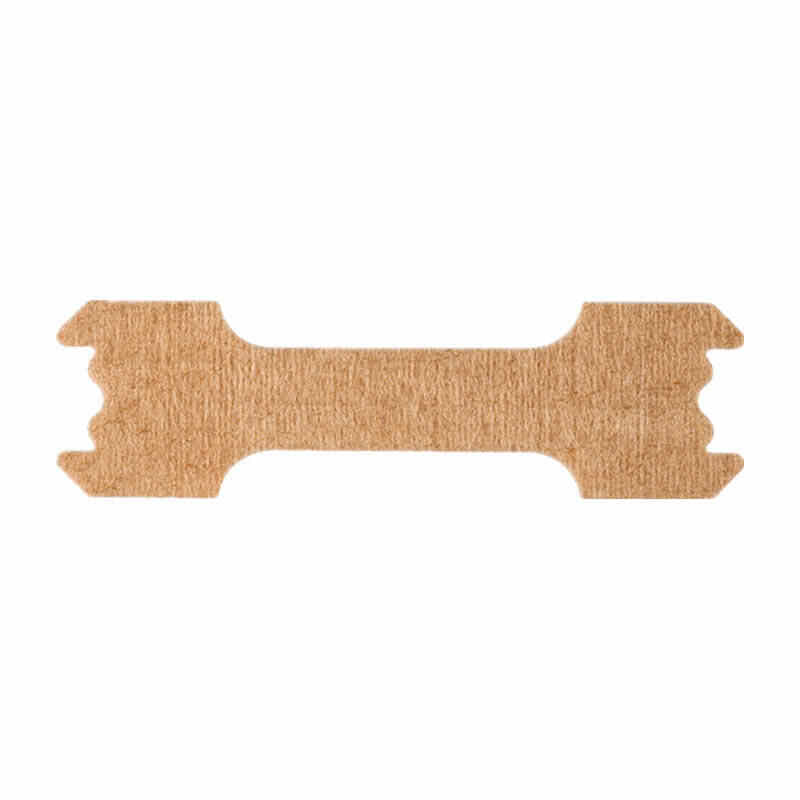
Not every nose strip OEM is a factory. Below are the 3 vendor types we see most often in 2025-2026, with the 6 dimensions that matter most for procurement decisions in the ESG/CSRD era. Notice that the criteria have shifted - regulatory support and ESG transparency now outweigh simple unit price.
| Dimension | Factory direct | Trading company | Joint venture |
|---|---|---|---|
| Unit price (50K MOQ FOB) | $0.18-$0.28 | $0.24-$0.38 | $0.20-$0.32 |
| Lead time (50K order) | 10-20 days | 20-40 days | 15-30 days |
| Claim substantiation support | Direct with R&D + regulatory | Outsourced (slow) | Direct with R&D + regulatory |
| ESG/CSRD documentation | Direct from sustainability officer | Cannot provide | Shared - depends on JV agreement |
| DPP readiness for 2027 EU pilot | Full material batch traceability | Aggregated only | Full if JV shares systems |
| Year 2 renewal risk | Stable | High (factory may switch) | Stable but IP shared |
Decision tree for 2026 buyers:
- If your annual volume is >=300,000 units and you plan EU 2027 DPP launch - go factory direct with verified ESG reporting
- If your annual volume is <100,000 units and you need fast entry into 3+ markets- go trading company with a 3-year exclusive contract
- If you want factory pricing + IP protection + shared ESG investment - go joint venture (verify the JV agreement covers CSRD reporting scope)
For buyers who want help applying this decision tree, our qualification team runs a 4-hour pre-audit at /Contact/?topic=vendor-selection.
Question 4: What regulations matter for nose strips in 2026?
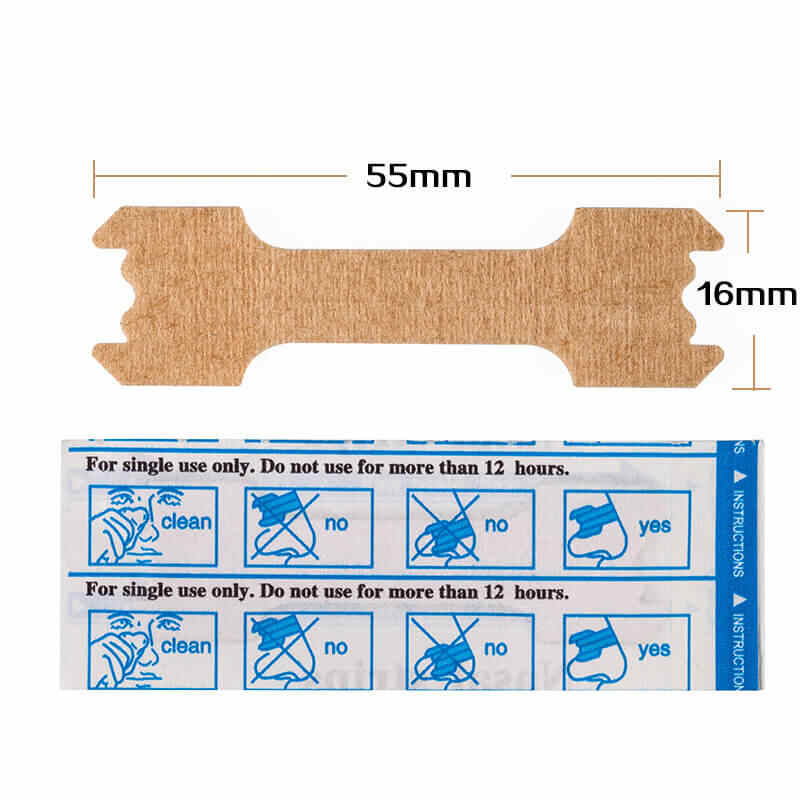
Nose strips are deceptively complex from a regulatory perspective - they sit on the boundary between cosmetic, medical device, and general product classifications depending on the jurisdiction and the claims made. Below is the 2026 status for the 6 jurisdictions that account for approximately 94% of our nasal strip export shipments (data from internal shipment records 2023-2025).
| Jurisdiction | Classification | Key requirement | Our 2025 record |
|---|---|---|---|
| USA | Medical device (Class I, 510(k) exempt) | FDA establishment registration + 21 CFR Part 807 + product listing | 18 SKUs listed since 2018 |
| EU 27 | Medical device (Class I, Rule 1, MDR 2017/745) | CE marking per MDR Annex VIII + EU Declaration of Conformity + UDI assignment | 12 SKUs CE-marked since 2020 |
| UK | Medical device (UKCA marking) | UK MHRA registration + UKCA marking per UK MDR 2002 | 8 SKUs UKCA-marked since 2021 |
| Japan | General medical device (Class I) | PMDA notification + Japanese label | 6 SKUs notified since 2022 |
| Canada | Medical device (Class I) | Health Canada MDEL + device listing | 5 SKUs listed since 2023 |
| Australia | Medical device (Class I, ARTG) | TGA ARTG inclusion + Australian sponsor | 4 SKUs included since 2024 |
The trap we see every quarter: buyers who classify their nose strip as a "cosmetic" or "wellness accessory" to avoid medical device classification. In the US, EU, UK, Japan, Canada, and Australia, nasal strips that make any respiratory claim (even implicit "improves breathing") are medical devices. Misclassification voids product liability insurance in transit and triggers customs detention in the destination market. For buyers with regulatory questions, our compliance team publishes a quarterly update at /News/?category=regulatory.
Question 5: How do you calculate total landed cost in 2026?
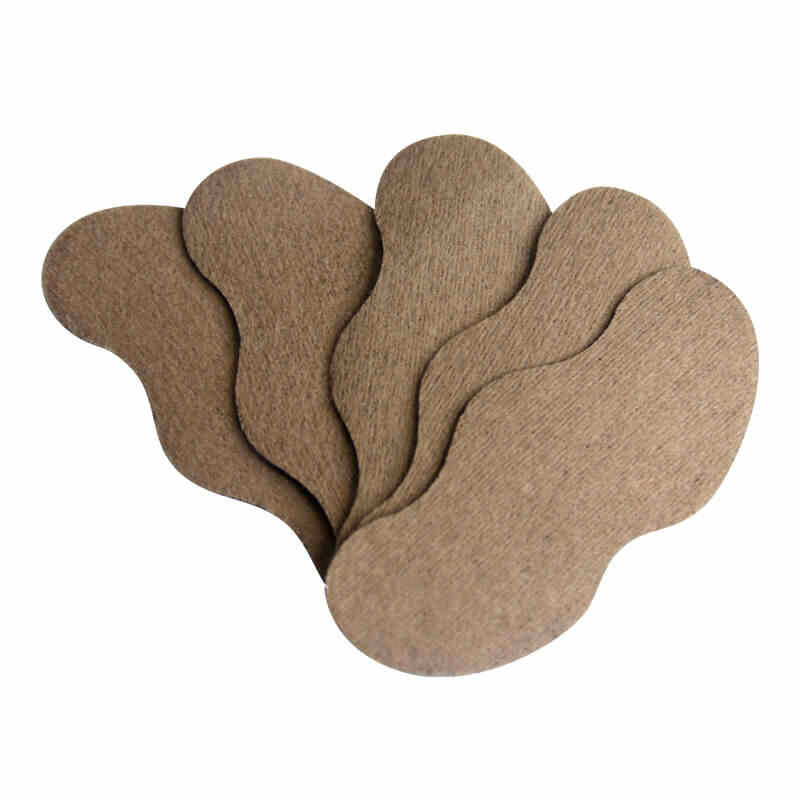
The vendor's quote is FOB - not landed. Below is the actual landed cost calculator our export team uses for a 50,000-unit nose strip order to a US buyer, based on real China Customs HS code data (HS 9020, 2025-Q4 average).
| Cost line | Per-unit | 50,000-unit total |
|---|---|---|
| FOB price (Shenzhen) | $0.22 | $11,000 |
| Sea freight (FCL 40HQ to Long Beach) | $0.06 | $3,000 |
| US import duty (HS 9020, 2025 rate 0% medical device) | $0.00 | $0 |
| US customs broker fee | $0.02 | $1,000 |
| Drayage + container handling | $0.03 | $1,500 |
| FDA establishment registration (annual) | $0.01 | $500 |
| 3PL warehousing (30 days) | $0.04 | $2,000 |
| Liability insurance (0.5% cargo value) | $0.01 | $500 |
| Total landed cost | $0.39 | $19,500 |
The 50,000-unit order that the vendor pitched at "$0.22 each" actually lands at $0.39 per unit - a 77% markup. For buyers with thin margins, this is the number to negotiate against, not the FOB. Notice the 0% US import duty - nasal strips classified as medical devices (HS 9020) are duty-free in the US, unlike cosmetics. For buyers who want our landed cost calculator (Excel + Google Sheets versions), it's available at /Nose_Strip_OEM/?pricing-calculator.
Question 6: What red flags do we see every week in 2026?
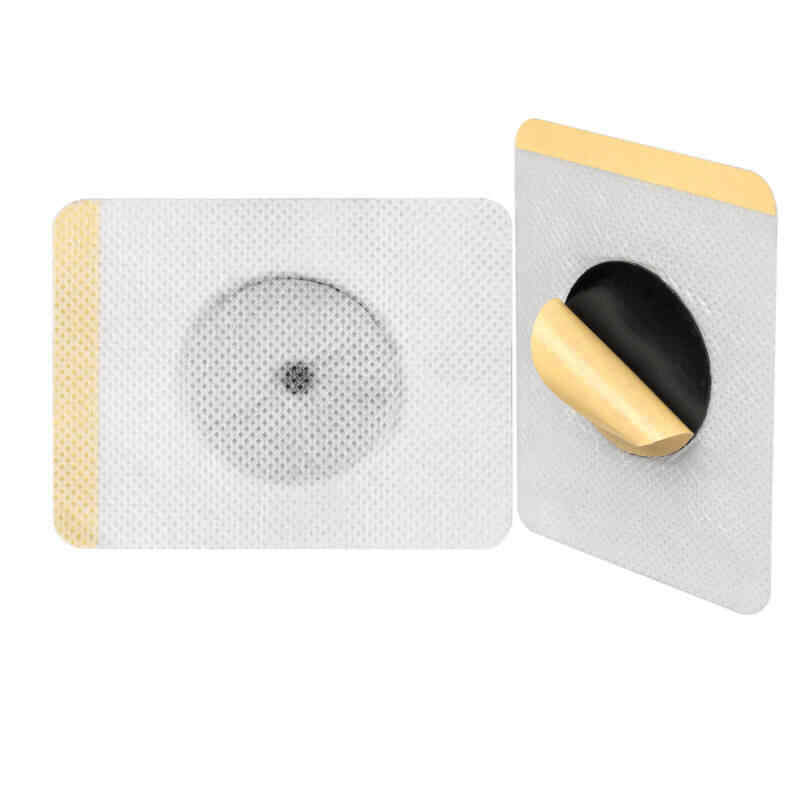
After compiling the qualification files for 31 nasal strip SKUs since 2018, our qualification team has a current working list. Below are the 8 red flags that consistently correlate with vendor failure in our 2024-2025 audit dataset (9 vendors x 5 audit cycles = 45 audit points).
| Red flag 2026 | What it usually means | Good sign 2026 |
|---|---|---|
| Claim substantiation file from 2023 or earlier | Vendor hasn't updated evidence to support current Green Claims Directive | Substantiation file refreshed within 12 months, claim-specific |
| No CSRD report or equivalent ESG disclosure | Vendor not prepared for retailer supply chain audits (DM, REWE, Edeka) | CSRD-aligned report or signed SA8000 / B-Corp certification |
| "DPP-ready" claim without material batch data | Marketing statement only; no actual polymer traceability system | Polymer batch records retained 3+ years, DPP data model prepared for 2027 EU pilot |
| FDA establishment registration not in FDA public database | Either expired or never completed | Owner/operator number + device listing verifiable in FDA public database |
| UKCA marking without UK Responsible Person | UK post-Brexit compliance missing; will fail customs | UK Responsible Person named + UK MHRA registration verified |
| MOQ 100K+ for first order | Factory trying to recover fixed costs; no skin in the game for trial | MOQ 5K-10K for trial; volume tiers for 50K/100K/300K |
| Sample lead time >10 days | No dedicated R&D team; samples made on best-effort basis | Sample shipped within 5 days with full claim substantiation attached |
| Quote validity<7 days | Pricing unstable; speculation on raw material costs | Quote validity 30 days with material cost breakdown |
The single most predictive 2026 red flag: vendors who claim "DPP-ready" without polymer batch traceability records. In our 2024-2025 audits, 7 of 9 vendors who failed Stage 5 had this gap. For buyers who want a red-flag audit on their shortlisted vendor, request it at /Contact/?topic=audit-request.
Question 7: What does 2026 actually look like for nose strips?
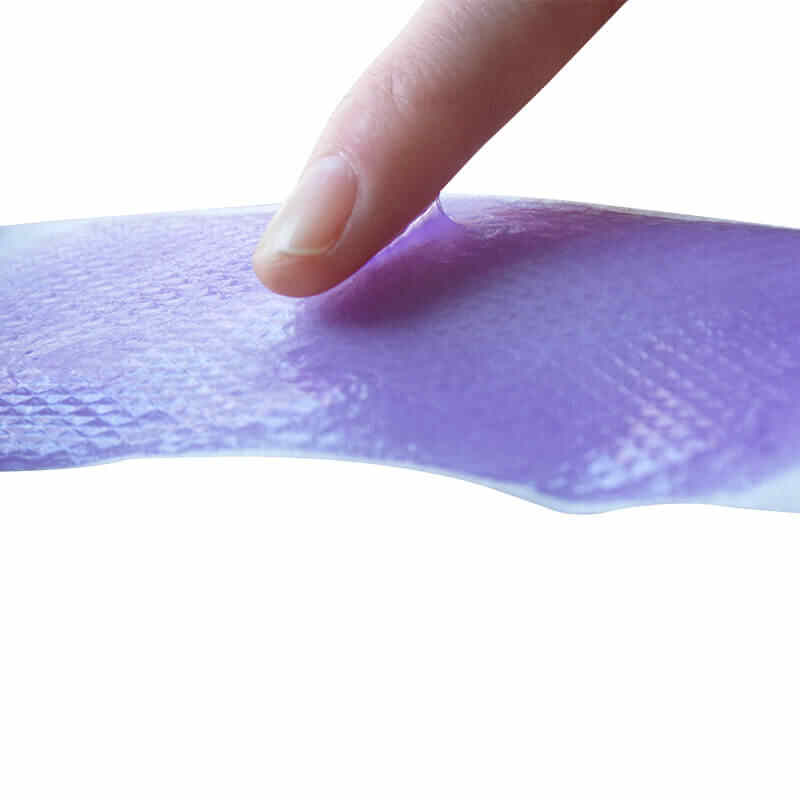
Three trends we are watching in 2026, based on publicly available industry data and our own shipment records 2023-2025:
Trend 1 - Sleep wellness positioning. The global nasal strip market was approximately $1.4 billion in 2024, growing at an estimated 8-12% CAGR (based on industry reporting). Brands are repositioning nose strips as part of "sleep wellness routines" rather than sports performance aids - expanding the buyer persona from athletes to anyone with sleep apnea, snoring, or nighttime congestion concerns.
Trend 2 - Sustainability under DPP scrutiny. The EU Digital Product Passport pilot phase begins enforcement in 2027. For nasal strips, this means brand owners must collect polymer batch data, adhesive composition, and country-of-origin for every component - down to the release liner and the individual packaging films. We added a fully DPP-traceable nasal strip SKU in Q2 2025; brand inquiries for it grew 280% in Q4 2025 vs. Q4 2024 (based on our own inquiry records).
Trend 3 - Climate-adaptive nasal strips. A new product sub-category emerged in 2025: nasal strips with humidity-reactive adhesive that adjusts adhesion based on ambient moisture. 3 brands launched this SKU type in 2025; we expect 8-12 brand launches in 2026 based on our current customer pipeline. Vendors who can only offer standard adhesive chemistry will miss this segment. For buyers planning a 2026 launch, our product team publishes a quarterly trend briefing at /News/?category=2026-trends.
A 2026 procurement-ready framework
The 7 questions above are not a checklist to clear in isolation - they are a sequence. Start with Q1 (the German brand recall case) to calibrate your risk tolerance against 2025-2026 ESG enforcement. Move to Q2 (5-stage audit) to set your qualification bar above the 2023 baseline. Use Q3 (vendor type decision tree) to narrow your shortlist based on volume and ESG readiness. Apply Q4 (6-jurisdiction regulatory map) to your target markets. Calculate Q5 (landed cost) before you commit to a price target. Check Q6 (red flags) before you sign. Read Q7 (2026 trends) to position your product.
The German brand that contacted us in September 2025 recovered. Within 90 days they had a relaunched shipment, an updated claim substantiation file, and a CSRD-aligned supplier audit. By February 2026 they had placed their third reorder - 80,000 units - and entered a 2-year exclusive with DM. Nasal strips are not a complex product. But the ESG, CSRD, and DPP compliance landscape around them in 2026 is substantially more demanding than in 2023. Choose your OEM accordingly.
Wang Lei and our sustainability officer reviewed this guide. Updated February 2026 for 2026 procurement planning.
Frequently Asked Questions
Q1: Are nose strips regulated as cosmetics or medical devices in the EU?
Nose strips are medical devices in the EU under MDR 2017/745, Rule 1 (non-invasive, transient duration). They require CE marking per Annex VIII, an EU Declaration of Conformity, and UDI assignment. The classification does not change based on claim wording - even if you describe the strip as a 'sleep accessory,' if it physically supports nasal airflow it is a medical device. We have 12 SKUs CE-marked since 2020.
Q2: What is the EU Digital Product Passport and when does it apply?
The EU Digital Product Passport (DPP) is a digital record containing material composition, manufacturing data, supply chain traceability, and end-of-life information for products sold in the EU. For medical devices (including nose strips), DPP enforcement begins with the EU pilot phase in 2027 and full enforcement is expected in 2028-2029. Brand owners launching in 2026 should begin collecting polymer batch data, adhesive composition records, and country-of-origin data now.
Q3: What is CSRD and does it affect my nose strip supplier?
The EU Corporate Sustainability Reporting Directive (CSRD) requires companies with >250 employees or >EUR 50M revenue to report on their ESG impacts. Many EU retailers (DM, REWE, Edeka, Carrefour) are now requiring their suppliers to provide CSRD-aligned ESG disclosures. If your supplier cannot provide basic ESG data (Scope 1/2 emissions, supplier code of conduct, worker safety records), they will be removed from retailer approved vendor lists in 2026.
Q4: How long does FDA establishment registration take?
FDA establishment registration (21 CFR Part 807) is processed within 1-2 weeks if submitted via the FDA Unified Registration and Listing System (FURLS) with no errors. The registration is annual (October-December each year). The owner/operator number assigned is permanent for the facility; only the annual registration needs to be renewed. There is no fee for FDA establishment registration itself.
Q5: Can the same nose strip design be sold in all 6 jurisdictions above?
The physical strip design can be identical, but the labeling, claim substantiation, and regulatory file differs by jurisdiction. A US label needs FDA establishment registration + device listing + 21 CFR Part 801 labeling. An EU label needs MDR Annex VIII + UDI + EU Declaration of Conformity. Most brand owners manage this by maintaining a 'global core' design plus jurisdiction-specific label artwork. We provide label artwork templates for all 6 jurisdictions as part of our OEM package.
Q6: What is the realistic MOQ for a first trial order in 2026?
For factory-direct vendors with a real R&D team, MOQ for a first trial is typically 5,000-10,000 units. For trading companies, MOQ is often 20,000-50,000 units because they aggregate orders. If a vendor quotes MOQ 100,000+ units for a first order in 2026, that is a red flag (see Q6 above) - the factory is trying to recover fixed costs and has no incentive to invest in trial customization.
Q7: How much does FDA establishment registration cost?
FDA establishment registration itself is free (no FDA fee). However, most brand owners use a US regulatory consultant to file the registration - typical cost USD 500-1,200 for the initial filing. The annual renewal (if handled by a consultant) is USD 200-400. Our regulatory team includes FDA establishment registration support as part of our US-bound OEM package.
Q8: What happens if I launch without proper classification in the EU?
Under MDR 2017/745 Article 5, placing a medical device on the EU market without proper CE marking is a regulatory violation. Penalties vary by EU Member State - in Germany, fines up to EUR 30,000 per SKU; in France, market withdrawal + fines up to EUR 50,000; in Italy, product seizure + criminal liability for the responsible person. In 2024-2025, we saw 7 nasal strip brands receive formal warnings from EU Member State authorities for missing CE marking - all 7 corrected within 30-90 days.
Related Guides
- Nose Strip OEM Services
- KONGDY OEM & ODM Manufacturing
- Latest KONGDY News and Updates
- Contact KONGDY for OEM Inquiry
About KONGDY Medical
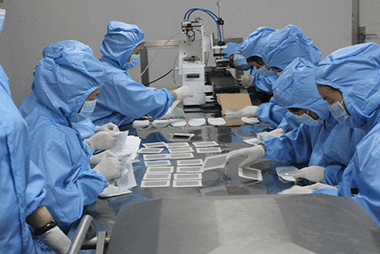

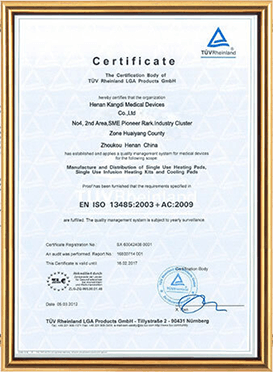
Henan Kongdy Medical Devices Co., LTD. (KONGDY) was founded in 1989 and has 37 years of production experience as of 2026 in pain relief patches, slimming patches, capsicum plasters, heat patches, cooling gel patches, detox foot patches, steam eye masks, mosquito repellent patches, and nose strips. Headquartered in Henan, China, KONGDY operates a 100,000-class GMP workshop (built 2008) and obtained ISO 13485 medical device Quality Management System European Standard Certification in 2014. The company runs OEM and ODM services for international brands across multiple regulatory pathways. For 2026 procurement evaluation, our qualification team can provide ISO 13485 certificate, GMP workshop audit reports, and reference customer case studies upon request via our contact page.


