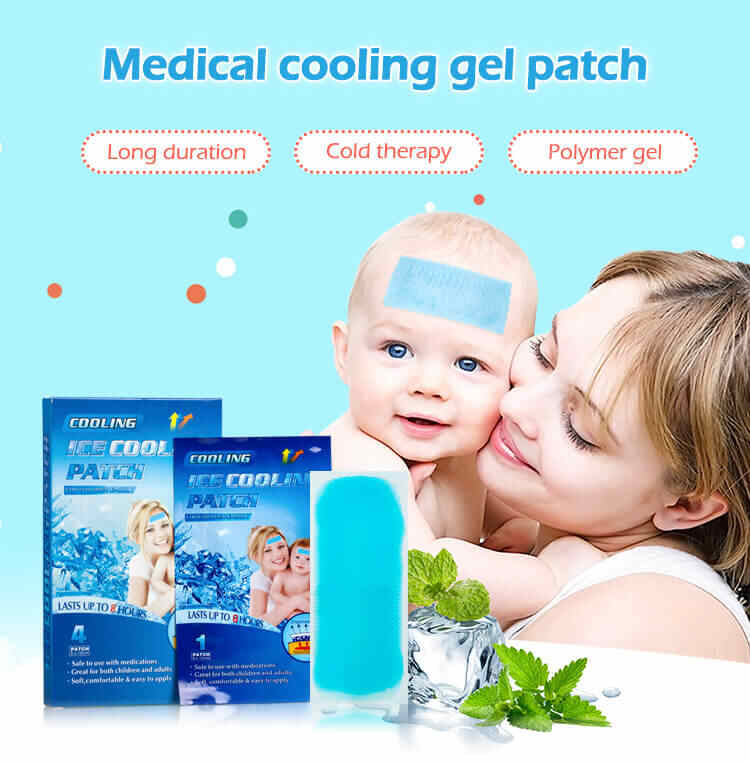
-
 KONGDY
Medical Cooling Gel Patch OEM Manufacturing Standards: What Separates Qualified Factories from the Rest
As global demand for pain relief, fever reduction, and sports recovery solutions continues to rise, the Medical Cooling Gel Patch market is expanding rapidly. For healthcare brands, pharmacies, and distributors, one critical decision determines long-term success or failure: choosing the right Medical Cooling Gel Patch OEM based on true manufacturing standards.
Not all factories are created equal. While many claim to be professional Medical Cooling Gel Patch Manufacturers, only a limited number truly meet international medical-grade manufacturing standards. This article explores in depth what separates a qualified Medical Cooling Gel Patch OEM from the rest, why these standards matter for Custom Medical Cooling Gel Patch and Private Label Medical Cooling Gel Patch projects, and how brands can safely identify a reliable Medical Cooling Gel Patch Supplier.
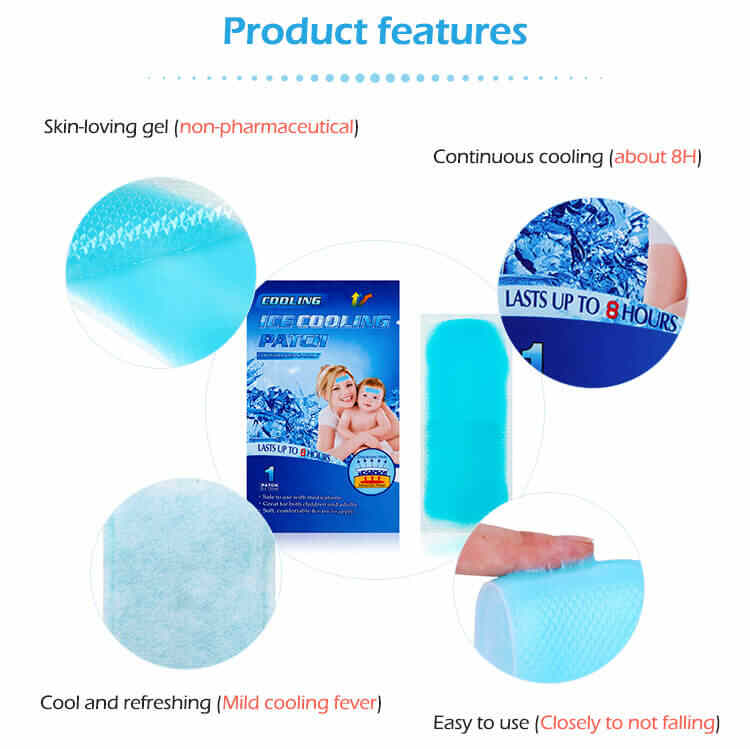
Understanding Medical Cooling Gel Patch OEM Manufacturing Standards
A Medical Cooling Gel Patch is not just a consumer wellness product—it is directly applied to human skin and often used for medical-related purposes such as:
Fever management
Headache and migraine relief
Muscle and joint cooling
Sports injury recovery
Post-surgery temperature control
This means that manufacturing standards must align with medical-grade production requirements, not just cosmetic or consumer goods standards.
A truly qualified Medical Cooling Gel Patch OEM follows strict systems for:
Raw material selection
Cleanroom production
Formula safety validation
Batch traceability
Stability testing
International regulatory compliance
Factories that lack these capabilities may produce visually similar products—but the risks and long-term liabilities are completely different.
1. International Certification Systems: The First Line of Qualification
The most visible difference between a qualified and unqualified Medical Cooling Gel Patch Manufacturer is certification. Leading factories are built around globally recognized quality systems, including:
ISO 13485 – Medical device quality management system
ISO 9001 – Quality management standard
GMP (Good Manufacturing Practice)
FDA Registration for U.S. compliance
CE conformity for the European market
These certifications ensure that every stage of production is:
Documented
Monitored
Audited
Continuously improved
For Custom Medical Cooling Gel Patch and Private Label Medical Cooling Gel Patch projects, certified systems ensure that customization does not compromise safety or consistency.
Unqualified factories often operate without these frameworks, increasing the risks of recalls, rejections, and brand damage.
2. Raw Material Control: Where Real Manufacturing Quality Begins
The quality of any Medical Cooling Gel Patch OEM product begins with raw materials. Qualified factories enforce rigid standards on:
Hydrogel base purity
Cooling agents (menthol, polymer gels, phase-change materials)
Medical-grade adhesives
Backing films and liner materials
Packaging components in direct contact with the patch
A professional Medical Cooling Gel Patch Manufacturer establishes:
Approved supplier lists
Incoming material inspection protocols
Material traceability systems
Contamination prevention procedures
By contrast, less-qualified Medical Cooling Gel Patch Suppliers may prioritize low-cost sourcing over safety, creating hidden risks such as:
Skin irritation
Chemical instability
Cooling performance inconsistency
Long-term safety complaints
3. Cleanroom Production Environment: A Core Divider Between Factories
One of the most decisive factors that separates qualified factories from普通工厂 is the production environment.
A certified Medical Cooling Gel Patch OEM operates inside:
Controlled temperature zones
Regulated humidity zones
Dust-free cleanrooms
Anti-static production lines
Hygienic assembly areas
Staff must follow:
Standard gowning procedures
Hand sanitation protocols
Cross-contamination prevention zones
Equipment sterilization schedules
This is particularly essential for Private Label Medical Cooling Gel Patch production, where brand reputation rests entirely on factory hygiene and control.
Non-qualified factories often produce in semi-open workshops with limited environmental control, which directly increases contamination and defect risks.
4. Formula Development and Customization Capabilities
With growing brand competition, the ability to develop Custom Medical Cooling Gel Patch solutions is a key differentiator.
Qualified Medical Cooling Gel Patch OEMs provide:
R&D laboratories
Formula safety assessment capabilities
Stability and performance testing
Custom cooling duration control
Pediatric vs. adult formula adaptation
Herbal and pharmaceutical ingredient integration
They validate every customized formulation through:
Skin compatibility testing
Cooling efficiency testing
Leak-proof testing
Adhesion performance validation
Unqualified manufacturers may offer “customization” in name only—simply adjusting fragrance, thickness, or packaging without true formulation science. This not only weakens product performance but also limits long-term brand differentiation.
5. Batch Traceability and Quality Management Systems
A defining trait of a professional Medical Cooling Gel Patch Manufacturer is a full batch traceability system, allowing brands to track:
Raw material sources
Production dates
Operator records
Equipment usage
Final inspection results
Shipment destinations
If any quality issue arises, qualified factories can:
Identify affected batches in hours
Isolate market risk immediately
Support fast recalls if needed
Protect brand exposure
This level of control is mandatory for brands selling through hospitals, pharmacy chains, and regulated medical channels. Many low-grade Medical Cooling Gel Patch Suppliers cannot provide this documentation at all.
6. Stability Testing and Product Performance Validation
A Medical Cooling Gel Patch OEM must guarantee not only immediate performance but also long-term stability. Qualified factories perform:
Accelerated aging tests
Cooling duration validation
Adhesion retention tests
Packaging seal integrity testing
Transport vibration testing
These tests confirm that the product still performs correctly:
After months of storage
After international shipping
Under different climate conditions
For Private Label Medical Cooling Gel Patch products distributed globally, this stability is not optional—it is essential for avoiding customer complaints and distributor disputes.
7. Regulatory Documentation and Market Access Support
One of the biggest advantages of a qualified Medical Cooling Gel Patch OEM is their regulatory documentation infrastructure.
They provide:
Technical files for CE compliance
FDA facility registration
Product specification sheets
MSDS (Material Safety Data Sheets)
Biocompatibility test support
Export licensing assistance
This allows healthcare brands to enter:
The U.S. medical and pharmacy market
The European Union medical device market
Southeast Asian regulated medical channels
Middle East hospital networks
Unqualified factories typically cannot support multi-country registrations, severely limiting brand expansion potential.
8. Private Label Manufacturing Standards for Global Brands
For brands building Private Label Medical Cooling Gel Patch programs, factory standards directly affect:
Speed to market
Brand compliance with distributors
Long-term reorder consistency
Channel acceptance in drugstores and hospitals
Qualified Medical Cooling Gel Patch Suppliers offer:
Ready-to-register private label formulas
Fully validated packaging systems
Multilingual labeling compliance
Scalable mass production
Long-term formulation stability
This transforms private label from a low-risk entry model into a scalable brand-building strategy.
9. Production Scalability and Supply Chain Reliability
Another core differentiator between qualified and unqualified factories is scalability.
A professional Medical Cooling Gel Patch OEM has:
Automated coating and cutting lines
High-speed filling and sealing systems
Stable adhesive lamination lines
Redundant equipment backups
Large-scale daily output capacity
This ensures:
Stable supply during peak seasons
Consistent quality across mass orders
Reliable long-term contract fulfillment
Support for multinational distribution
Small workshops often fail when order volumes increase, causing:
Delivery delays
Quality fluctuations
Cost instability
Distributor loss
10. Ethical Manufacturing and Social Compliance
Leading healthcare brands now demand not only quality but also ethical compliance from their Medical Cooling Gel Patch Manufacturer. Qualified factories meet:
BSCI social compliance standards
Worker safety regulations
Environmental waste controls
Sustainable sourcing guidelines
This directly supports brand alignment with:
ESG goals
Green healthcare positioning
Corporate social responsibility initiatives
For international brands, ethical compliance increasingly determines whether large distributors will even consider cooperation.
11. Long-Term Cost Efficiency Comes from Standards, Not Shortcuts
Some brands choose low-cost Medical Cooling Gel Patch Suppliers to save upfront investment. However, this often leads to:
Inconsistent product batches
High after-sales complaint rates
Regulatory rejections
Distributor contract losses
Emergency product replacements
Qualified Medical Cooling Gel Patch OEMs reduce total operating costs by:
Minimizing defect rates
Avoiding rework and recalls
Supporting regulatory approvals
Stabilizing long-term supply contracts
In the medical industry, real cost efficiency comes from compliance, not shortcuts.
How to Identify a Truly Qualified Medical Cooling Gel Patch Manufacturers
When evaluating a Medical Cooling Gel Patch OEM, brands should verify:
ISO 13485 and GMP certifications
Cleanroom-level production environments
R&D and formula validation capabilities
Batch traceability systems
Global regulatory documentation support
Private label project experience
Long-term export history
Stable raw material supplier management
Qualified OEMs welcome audits. Unqualified factories avoid detailed inspections.
Final Thoughts: Manufacturing Standards Define Brand Destiny
In today’s hyper-competitive medical and healthcare market, manufacturing standards are no longer a technical detail—they are a brand survival issue.
A qualified Medical Cooling Gel Patch Manufacturer ensures:
Regulatory safety
Product consistency
Market scalability
Distributor trust
Long-term brand value
Whether you are launching a Custom Medical Cooling Gel Patch, expanding your Private Label Medical Cooling Gel Patch, or building a global distribution network, choosing a high-standard Medical Cooling Gel Patch OEM is the most strategic investment you can make.
In contrast, choosing the wrong supplier may deliver short-term savings—but it carries long-term risks that no healthcare brand can afford.
Frequently Asked Questions (FAQ)
1. What is the most important standard for a Medical Cooling Gel Patch OEM?
ISO 13485 is the most critical standard because it governs medical device-quality manufacturing systems.
2. Can Private Label Medical Cooling Gel Patches be produced in non-certified factories?
They can, but the regulatory, legal, and brand risks are extremely high and not recommended for serious brands.
3. Why is cleanroom production necessary for Medical Cooling Gel Patch manufacturing?
It prevents contamination, ensures adhesive stability, and protects skin-contact safety.
4. How does Custom Medical Cooling Gel Patch development benefit from qualified OEMs?
Qualified OEMs provide validated formulation science, skin safety testing, and stable long-term performance.
5. What documents should a reliable Medical Cooling Gel Patch Supplier provide?
ISO certificates, GMP compliance, MSDS, batch traceability records, and regulatory technical files.


