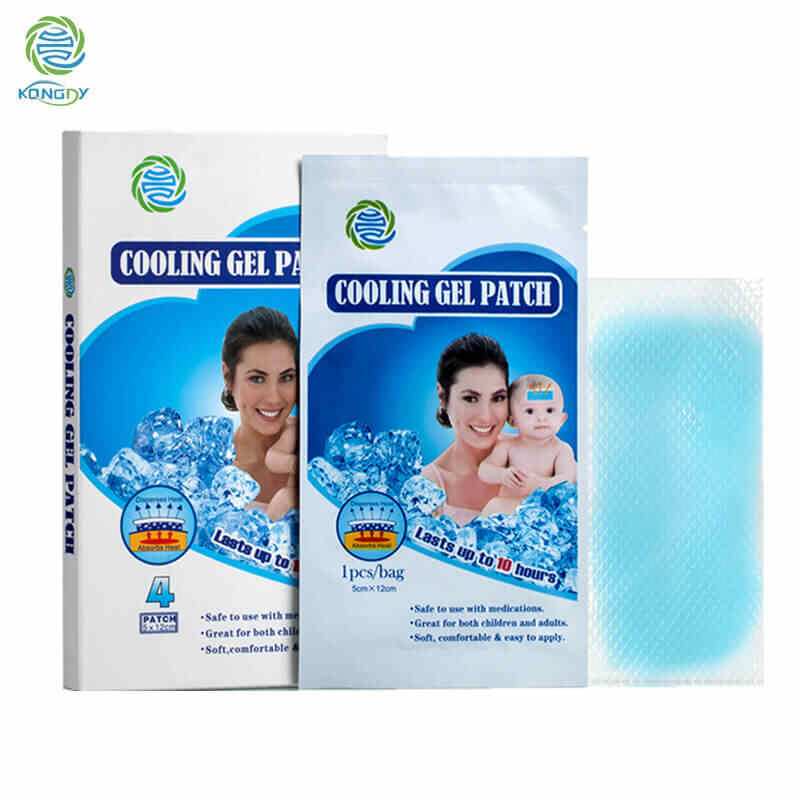
-
 KONGDY
Custom vs. Private Label Medical Cooling Gel Patches: Which Model Is Better for Medical Brands?
As demand for safe, effective, and fast-acting cooling therapy products continues to rise across global healthcare markets, Medical Cooling Gel Patches have become a key growth category for medical brands, pharmacies, sports recovery companies, and wellness distributors. However, one strategic question consistently shapes long-term success:
Should medical brands choose a Custom Medical Cooling Gel Patch model or a Private Label Medical Cooling Gel Patch model?
Both models are supported by professional Medical Cooling Gel Patch OEM partners and reliable Medical Cooling Gel Patch Manufacturers, yet they offer very different advantages in terms of brand control, speed to market, costs, compliance, and scalability.
This article offers a deep, structured comparison of Custom vs. Private Label Medical Cooling Gel Patches, helping you clearly understand which model is better suited for your brand’s growth stage, budget, and market goals.
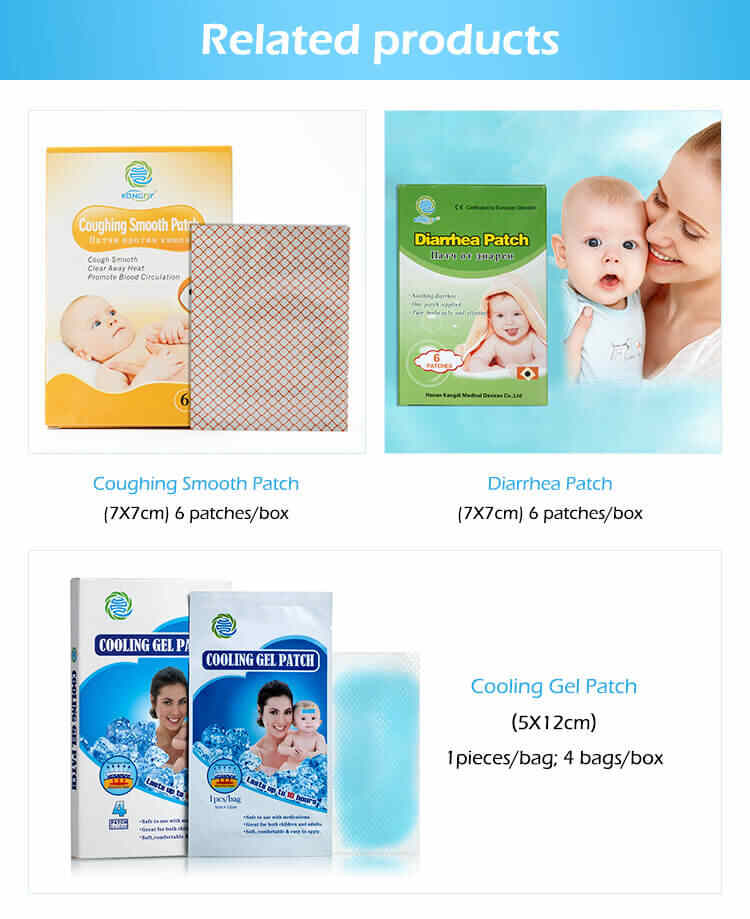
Understanding the Two Business Models in Medical Cooling Gel Patch OEM Manufacturing
Before choosing the right model, it is essential to understand what each one truly means in real OEM operations.
What Is a Custom Medical Cooling Gel Patch?
A Custom Medical Cooling Gel Patch is developed from the ground up based on a brand’s unique requirements. With this model, a professional Medical Cooling Gel Patch OEM supports:
Exclusive formulation development
Custom cooling intensity and duration
Customized gel composition (menthol, herbal, polymer-based, etc.)
Specific adhesion level and patch thickness
Custom size, shape, and material structure
Proprietary packaging and branding
In this model, the brand owns the product identity and usually holds stronger long-term competitive positioning.
What Is a Private Label Medical Cooling Gel Patch?
A Private Label Medical Cooling Gel Patch uses a pre-developed, validated formula already owned by a Medical Cooling Gel Patch Manufacturer. Brands simply apply their:
Logo
Brand name
Packaging design
Market claims (within regulatory scope)
The manufacturing process, core formula, and technical validation remain standardized. This makes private label the fastest and lowest-risk route to market.
Comparative Overview: Custom vs. Private Label Medical Cooling Gel Patches
| Factor | Custom Medical Cooling Gel Patch | Private Label Medical Cooling Gel Patch |
|---|---|---|
| Time to Market | 3–9 months | 30–60 days |
| Upfront Investment | High | Low |
| Formula Ownership | Brand-owned | Factory-owned |
| Regulatory Complexity | High | Low |
| Risk Level | Medium to High | Low |
| Brand Differentiation | Very Strong | Moderate |
| Scalability | High (long-term) | High (short-term) |
| Ideal For | Established brands | New and fast-launch brands |
Both models rely heavily on the capabilities of a qualified Medical Cooling Gel Patch Supplier, but the strategic implications are very different.
1. Speed to Market: Private Label Clearly Wins for Fast Entry
For brands looking to capture short-term trends or test new markets, Private Label Medical Cooling Gel Patch programs offer unmatched speed.
A private label project with a professional Medical Cooling Gel Patch OEM typically includes:
Pre-approved formula
Stability-tested cooling performance
Existing compliance documentation
Standardized packaging structures
This allows brands to launch within 30–60 days, compared to several months for a fully Custom Medical Cooling Gel Patch.
Conclusion:
If your priority is speed, low risk, and fast revenue generation, private label is the better choice.
2. Product Differentiation: Custom Medical Cooling Gel Patch Builds True Brand Power
While private label offers speed, custom development creates brand exclusivity.
With a qualified Medical Cooling Gel Patch Manufacturer, custom projects allow:
Unique cooling temperature curves
Longer or staged cooling effects
Sensitive-skin medical formulations
Pediatric or geriatric-specific solutions
Herbal or pharmaceutical active ingredient combinations
This level of differentiation helps brands avoid price wars and establish a medical-grade identity, rather than being one of many similar private-label products in the market.
Conclusion:
If your long-term goal is strong brand positioning and premium pricing, the Custom Medical Cooling Gel Patch model is superior.
3. Regulatory Burden: Private Label Is Easier and Safer
Regulatory compliance is a major cost and time factor in medical product launches. A Private Label Medical Cooling Gel Patch Supplier already provides:
Existing formula safety files
MSDS documentation
Stability test reports
Basic CE / FDA manufacturing documentation
For Custom Medical Cooling Gel Patch programs, brands must usually invest in:
Ingredient safety validation
Skin compatibility testing
Cooling performance verification
Stability and shelf-life confirmation
This process significantly increases both timeline and investment.
Conclusion:
For brands with limited regulatory teams or budget, private label offers a much lower compliance barrier.
4. Cost Structure: Short-Term vs. Long-Term Economics
Private Label Cost Advantages:
No R&D fees
No extended testing cycles
Lower MOQ requirements
Faster capital turnover
Custom Model Cost Structure:
R&D and formulation fees
Regulatory testing costs
Higher initial MOQs
Longer break-even cycles
However, over time, custom products often deliver higher gross margins, because:
There is no factory-level formula licensing embedded in the price
Brands can control pricing without direct competitors
Long-term product life cycles are more stable
Conclusion:
Short-term profit efficiency → Private Label
Long-term margin optimization → Custom OEM
5. Brand Control and Intellectual Property
A Private Label Medical Cooling Gel Patch is brand-branded but not technically owned by the brand. Competing distributors may sell nearly identical products under different labels.
With a Custom Medical Cooling Gel Patch, brands typically secure:
Formula IP agreements
Exclusive material sourcing combinations
Market exclusivity by region
Long-term product differentiation
For serious medical brands planning multi-year growth, IP control becomes a strategic necessity rather than a luxury.
6. Supply Chain Stability and Manufacturing Control
Both models depend heavily on the reliability of your Medical Cooling Gel Patch Manufacturer, but risk distribution differs:
In private label, factory dependency is high since the factory owns the formula.
In custom manufacturing, brands can potentially shift production to alternative OEMs once formulation ownership is secured.
This means custom projects offer greater long-term supply chain independence, while private label prioritizes operational convenience.
7. Scalability and Global Expansion
For brands with international ambitions, both models can scale—but in different ways:
Private Label Medical Cooling Gel Patch scales faster across multiple markets due to pre-existing documentation
Custom Medical Cooling Gel Patch scales deeper through exclusive positioning and long-term distributor loyalty
A strong Medical Cooling Gel Patch Supplier can support both strategies, but the expansion logic differs:
Private label = wide and fast
Custom model = deep and defensible
8. Market Positioning: Commodity vs. Medical Brand Authority
Private label often positions your product as:
Functional
Affordable
Fast-moving
Volume-driven
Custom products allow positioning as:
Clinically differentiated
Specialized
Premium
Medical-professional focused
If your strategy involves hospital channels, pharmacy networks, or licensed medical institutions, a Custom Medical Cooling Gel Patch typically aligns better with long-term credibility building.
9. Risk Profile Comparison
| Risk Type | Private Label | Custom OEM |
|---|---|---|
| Regulatory Delay | Low | Medium |
| Financial Exposure | Low | Medium-High |
| Competitive Pressure | High | Low |
| Supply Dependence | Medium-High | Medium |
| Brand Substitution Risk | High | Low |
Private label minimizes risk upfront. Custom manufacturing minimizes competitive risk over time.
10. Which Model Is Better at Each Brand Growth Stage?
Start-Up Medical Brands
Best Choice: Private Label Medical Cooling Gel Patch
Low capital pressure
Fast launch
Easy market testing
Growing Regional Brands
Best Choice: Hybrid Strategy
Private label for fast SKUs
Custom products for hero items
Established International Brands
Best Choice: Custom Medical Cooling Gel Patch
Strong differentiation
Market exclusivity
Long-term valuation growth
11. How to Choose the Right Medical Cooling Gel Patch Supplier for Either Model
Whether you choose private label or custom OEM, your success depends on choosing a qualified Medical Cooling Gel Patch Supplier that offers:
ISO 13485 and GMP certification
Cleanroom manufacturing capability
R&D and formulation labs
Batch traceability systems
Global regulatory documentation support
Private label and custom OEM project experience
A professional Medical Cooling Gel Patch Manufacturer should be able to support both models, allowing your brand to evolve without changing core production partners.
Final Verdict: There Is No “One-Size-Fits-All” Answer
The question is not whether Custom Medical Cooling Gel Patch or Private Label Medical Cooling Gel Patch is universally better. The real question is:
Which model matches your current brand stage, financial readiness, regulatory capability, and long-term vision?
If you seek speed, low risk, and fast cash flow, private label is the smarter entry model.
If you aim for medical authority, pricing power, and sustainable differentiation, custom manufacturing is the superior long-term strategy.
If you are building a scalable medical brand, the smartest companies often use both models simultaneously at different stages of growth.
With the right Medical Cooling Gel Patch OEM, both strategies can win—when applied at the right time.
Frequently Asked Questions (FAQ)
1. Is Private Label Medical Cooling Gel Patch suitable for new medical brands?
Yes. Private label offers low investment, fast launch, and minimal regulatory burden, making it ideal for new entrants.
2. Does a Custom Medical Cooling Gel Patch require higher MOQ?
Yes. Custom projects usually require higher MOQs due to formulation setup and validation costs.
3. Can I switch from private label to custom later?
Yes. Many brands use private label to test the market and later upgrade to custom OEM for differentiation.
4. Which model provides better long-term profit margins?
Custom Medical Cooling Gel Patches generally deliver stronger long-term margins due to exclusivity and reduced competition.
5. Does the Medical Cooling Gel Patch Manufacturer matter equally for both models?
Absolutely. Whether private label or custom, a qualified Medical Cooling Gel Patch Manufacturer ensures compliance, safety, and stable scalability.


