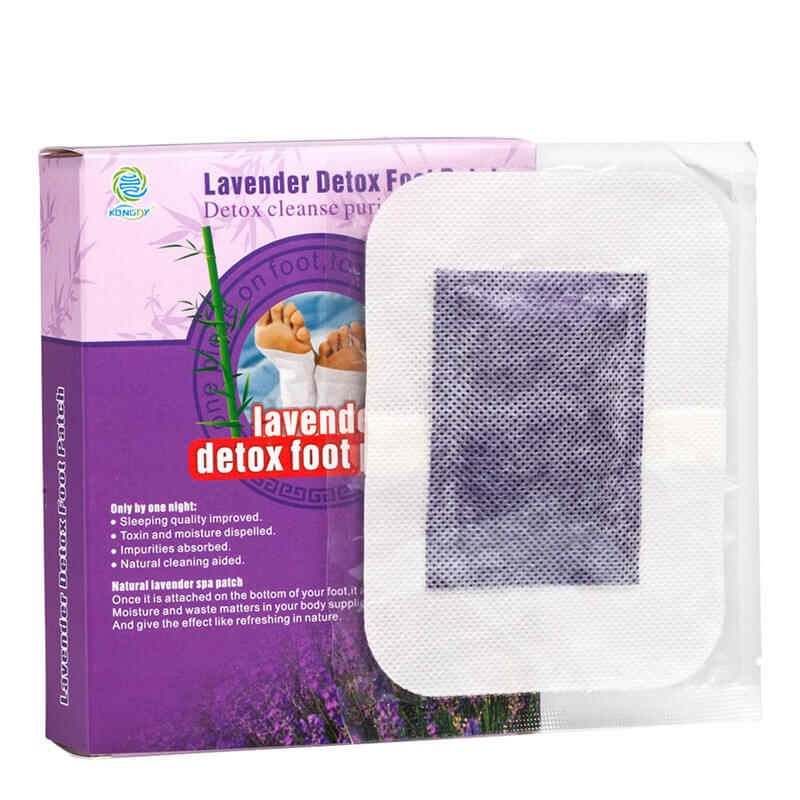
-
 KONGDY
How Can Brands Verify a Lavender Detox Foot Pads Manufacturer’s Quality System?
In the wellness industry, product quality is not just about formulation—it is about systems, documentation, traceability, and consistent execution.
For brands working with a lavender detox foot pads Manufacturer, verifying the factory’s quality system is one of the most critical steps before placing bulk orders.
Whether you are developing Custom lavender detox foot pads or launching Private Label lavender detox foot pads, understanding how to audit and evaluate a manufacturer’s quality management system (QMS) will protect your brand reputation, reduce regulatory risks, and ensure long-term profitability.
This guide explains exactly what brands should verify when selecting a lavender detox foot pads OEM partner.
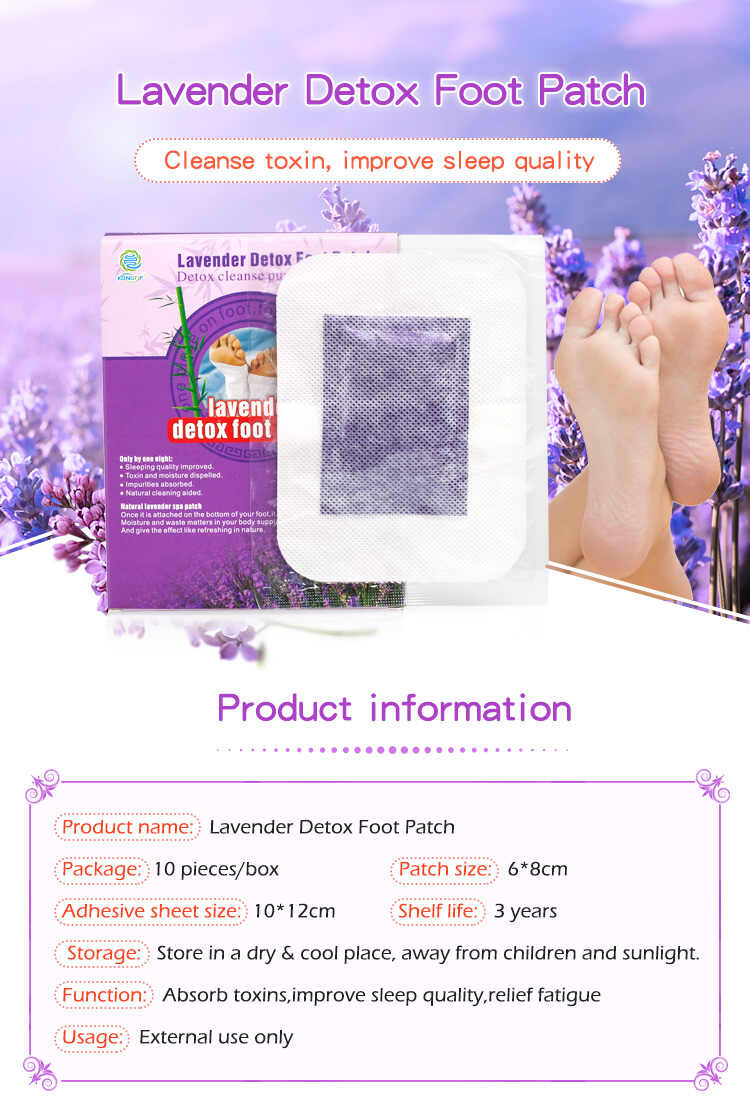
Why Quality System Verification Is Essential
Lavender detox foot pads are skin-contact wellness products. Poor quality control can lead to:
Skin irritation complaints
Microbial contamination
Heavy metal issues
Adhesive failure
Customs detention
Marketplace suspension
A professional lavender detox foot pads Supplier should operate under a structured and documented quality management framework—not informal factory procedures.
Step 1 – Verify Certifications and Quality Standards
1. GMP (Good Manufacturing Practice)
GMP certification demonstrates that the factory follows standardized production and hygiene protocols.
Ask your lavender detox foot pads Manufacturer for:
Valid GMP certificate
Audit scope (cosmetic or related category)
Issuing authority
GMP ensures:
Controlled production environments
Trained staff
Cleanroom procedures
Documented SOPs
2. ISO Quality Management Systems
Common certifications include:
ISO 9001 (Quality Management System)
ISO certification shows that the lavender detox foot pads OEM factory maintains:
Documented procedures
Corrective and preventive action (CAPA) systems
Internal audit processes
Continuous improvement mechanisms
Request the latest certificate and verify expiration dates.
Step 2 – Assess Raw Material Control Systems
High-quality finished products start with controlled raw materials.
Incoming Material Inspection
A reliable lavender detox foot pads Supplier should have:
Approved supplier lists
Supplier qualification procedures
Raw material COA verification
Incoming quality control (IQC) records
Key verification points:
Lavender oil authenticity testing
Heavy metal testing for herbal powders
Microbial limit testing for plant-based materials
Adhesive material safety data
Without raw material inspection protocols, product consistency cannot be guaranteed.
Step 3 – Review Production Control Procedures
1. Batch Production Records
Each batch of Custom lavender detox foot pads should have:
Production date
Operator signatures
Equipment cleaning logs
Material lot numbers
Yield calculation
Batch records are critical for traceability in case of complaints or recalls.
2. In-Process Quality Control (IPQC)
During production, quality checks should include:
Weight verification of powder filling
Adhesive consistency testing
Seal integrity inspection
Visual inspection for contamination
Professional lavender detox foot pads OEM factories conduct IPQC at defined checkpoints—not only final inspection.
Step 4 – Evaluate Finished Product Testing
Before shipment, finished goods must undergo final quality control (FQC).
Ask your lavender detox foot pads Manufacturer for:
Microbial testing reports
Heavy metal analysis
Stability test data
Adhesion performance testing
Skin irritation or patch testing (if available)
Third-party lab reports add additional credibility, especially for US and EU markets.
Step 5 – Audit Traceability and Recall Systems
A mature quality system includes recall readiness.
Traceability System
The factory should be able to trace:
Finished product batch → Raw material lot → Supplier source
Ask for:
Batch coding system explanation
Sample traceability report
Mock recall procedure
If a Private Label lavender detox foot pads batch faces complaints, rapid traceability protects your brand.
Step 6 – Conduct On-Site or Third-Party Audits
While documentation is important, physical verification provides deeper insight.
What to Observe During an Audit
Cleanliness of production area
Material segregation zones
Worker hygiene practices
Equipment maintenance logs
Warehouse temperature and humidity control
Pest control records
If on-site visits are not possible, hire a third-party inspection agency to audit the lavender detox foot pads Supplier.
Step 7 – Evaluate Quality Culture, Not Just Documents
A strong lavender detox foot pads OEM partner demonstrates:
Transparent communication
Fast response to quality questions
Willingness to provide documentation
Proactive improvement suggestions
Red flags include:
Delayed document submission
Refusal to share testing reports
Inconsistent specifications
Frequent formula changes without notice
Quality culture is reflected in behavior—not just certificates.
Key Questions to Ask a Lavender Detox Foot Pads Manufacturer
Before finalizing cooperation, ask:
How do you qualify raw material suppliers?
Can you provide recent batch testing reports?
What is your corrective action process if defects occur?
Do you conduct internal quality audits regularly?
How do you ensure consistency for Custom lavender detox foot pads formulations?
Professional manufacturers will answer clearly and provide documentation.
Conclusion
Verifying a lavender detox foot pads Manufacturer’s quality system is not optional—it is a strategic safeguard.
Brands investing in lavender detox foot pads OEM, Custom lavender detox foot pads, or Private Label lavender detox foot pads must go beyond price comparison and conduct systematic quality verification.
A reliable lavender detox foot pads Supplier should demonstrate:
Certified quality systems
Controlled raw material sourcing
Documented production processes
Thorough finished product testing
Full traceability capability
Strong quality systems protect your customers, your regulatory compliance, and your long-term brand value.
In OEM partnerships, transparency equals trust—and trust builds sustainable business growth.
FAQ: Verifying a Lavender Detox Foot Pads Manufacturer’s Quality System
Q1: Is GMP certification mandatory?
While not always legally mandatory, GMP certification significantly improves reliability and is strongly recommended for cosmetic-related products.
Q2: How important is third-party testing?
Very important, especially for US and EU markets. Independent lab reports strengthen compliance and retailer acceptance.
Q3: Can I rely solely on factory-provided documents?
No. Whenever possible, conduct on-site audits or hire third-party inspection services to verify authenticity.
Q4: What is the biggest warning sign of a weak quality system?
Lack of traceability documentation and inability to provide consistent batch testing reports.


