-
 KONGDY
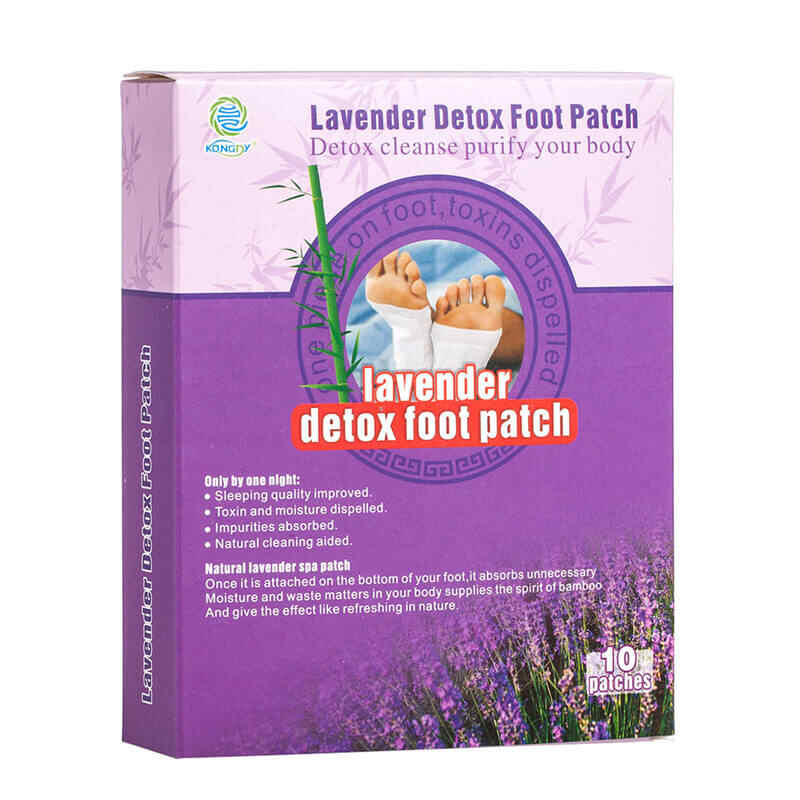
Are Private Label Lavender Detox Foot Pads Already Quality-Tested?
For many wellness brands entering the market, Private Label lavender detox foot pads appear to offer a fast and convenient path to product launch. But a critical question often arises:
Are Private Label lavender detox foot pads already quality-tested—or do brands need additional verification?
The short answer: Yes, they are typically tested—but not always to the level required for your specific market.
Understanding what “quality-tested” truly means in a lavender detox foot pads OEM context is essential before placing bulk orders with a lavender detox foot pads Manufacturer.
This article breaks down what testing is usually included, what may be missing, and how brands should verify compliance.
What “Quality-Tested” Usually Means in Private Label Production
When a lavender detox foot pads Supplier offers a Private Label solution, it typically means:
The formula already exists
Basic safety testing has been conducted
Production process is standardized
The product has previous production history
However, “already tested” does not automatically mean:
Tested for your target country regulations
Tested under your brand claims
Tested with your customized packaging
Tested according to updated legal standards
That distinction is crucial.
Standard Tests Usually Completed by a Lavender Detox Foot Pads Manufacturer
A professional lavender detox foot pads Manufacturer generally conducts the following baseline tests for existing Private Label products:
1. Microbial Testing
Ensures the product meets acceptable microbial limits and is free from harmful contamination.
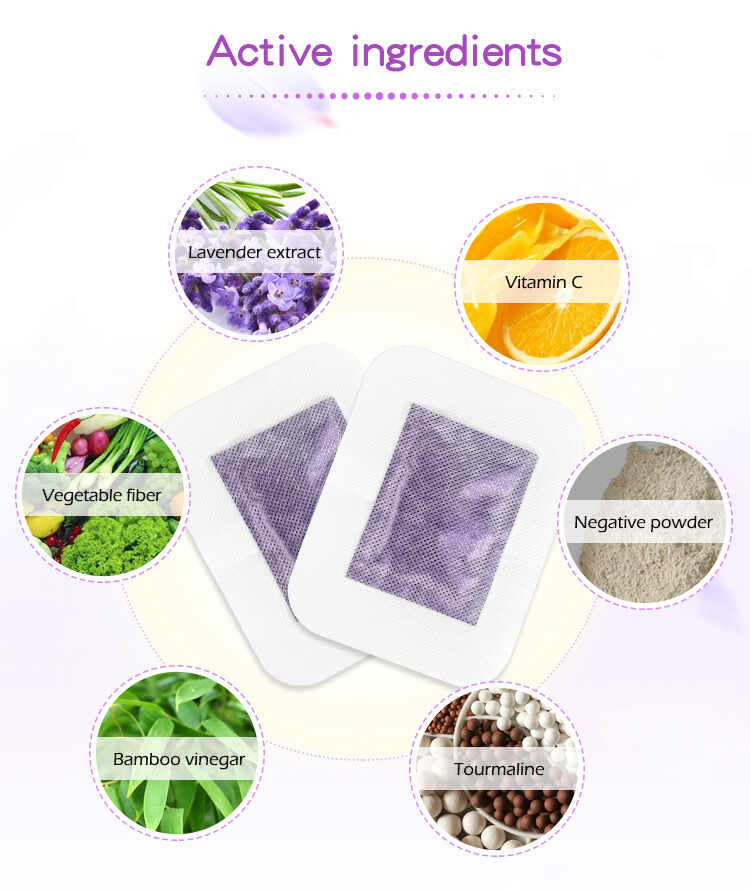
This is particularly important for plant-based ingredients like:
Lavender oil
Bamboo vinegar
Herbal powders
2. Heavy Metal Testing
Tests typically cover:
Lead
Arsenic
Mercury
Cadmium
Especially relevant for products marketed in the US and EU.
3. Stability Testing
Evaluates:
Shelf life
Adhesive durability
Ingredient consistency over time
Packaging compatibility
Stability data supports expiration date determination.
4. Basic Skin Safety Testing
Some lavender detox foot pads OEM factories conduct:
Patch testing
Skin irritation screening
However, not all manufacturers conduct formal dermatological testing unless requested.
What May NOT Be Automatically Covered
Even if Private Label lavender detox foot pads are pre-tested, brands should verify whether the following are included:
1. Market-Specific Regulatory Compliance
Testing standards differ between regions:
US (FDA cosmetic compliance under MoCRA)
EU (CPSR and CPNP requirements)
Middle East (additional registration documentation)
A lavender detox foot pads Supplier may have tested for one market—but not necessarily yours.
2. Updated Allergen & Fragrance Compliance
Lavender oil naturally contains allergens such as:
Linalool
Limonene
EU regulations require allergen disclosure above specific thresholds. Ensure your Private Label lavender detox foot pads formula has updated allergen breakdown documentation.
3. Custom Packaging Compatibility
If you modify:
Box material
Inner pouch material
Ink or coating
Additional stability or compatibility testing may be required.
Even though the formula remains unchanged, packaging changes can affect shelf life.
Private Label vs Custom Lavender Detox Foot Pads – Testing Differences
Private Label Lavender Detox Foot Pads
Advantages:
Existing test data available
Faster launch timeline
Lower development cost
Reduced R&D burden
However:
Testing scope may be generic and not tailored to your specific brand claims or market.
Custom Lavender Detox Foot Pads
When you modify:
Ingredient ratios
Add new herbal extracts
Adjust adhesive formulation
Change fragrance concentration
New testing may be required, including:
Stability re-evaluation
Microbial retesting
Safety reassessment
Custom projects under a lavender detox foot pads OEM agreement usually involve additional validation steps.
How Brands Should Verify Quality Testing
Before proceeding with Private Label orders, request the following from your lavender detox foot pads Manufacturer:
✔ Recent batch COA
✔ Microbial testing reports
✔ Heavy metal analysis
✔ Stability testing summary
✔ Skin irritation data (if available)
✔ Test laboratory information
✔ Date of last testing update
Do not rely on outdated reports. Ask whether testing reflects the current production batch.
Why Verification Protects Your Brand
Even if a lavender detox foot pads Supplier claims the product is “already tested,” your brand name appears on the packaging.
If quality issues occur:
Retailers will contact you
Regulators will contact you
Customers will review your brand—not the factory
Verification ensures:
Regulatory compliance
Lower return rates
Reduced legal risk
Stronger distributor confidence
Responsible brands treat Private Label products as their own formulations from a compliance perspective.
Red Flags to Watch For
Be cautious if a manufacturer:
Refuses to provide test reports
Shares incomplete documentation
Cannot explain testing frequency
Provides reports older than 2–3 years
Avoids third-party lab references
Professional lavender detox foot pads OEM factories welcome documentation requests.
Transparency is a strong indicator of a mature quality system.
Conclusion
Yes, Private Label lavender detox foot pads are typically quality-tested by the manufacturer. However, brands must verify:
The scope of testing
The date of testing
The market relevance
The documentation authenticity
Working with an experienced and transparent lavender detox foot pads Manufacturer reduces risk, but due diligence remains the brand’s responsibility.
Whether launching Private Label lavender detox foot pads or transitioning to Custom lavender detox foot pads, systematic verification ensures product safety, compliance, and long-term brand credibility.
In OEM partnerships, trust should always be supported by documentation.
FAQ: Private Label Lavender Detox Foot Pads & Quality Testing
Q1: Do I need new testing if I only change the packaging design?
If material or structure changes, additional stability testing may be recommended.
Q2: Are Private Label products automatically compliant in the US and EU?
Not necessarily. Compliance depends on documentation, labeling, and market-specific regulations.
Q3: How recent should testing reports be?
Ideally within the last 12–24 months and reflective of current production batches.
Q4: Can I sell without requesting test reports?
Technically possible, but highly risky. Always verify documentation before market entry.


