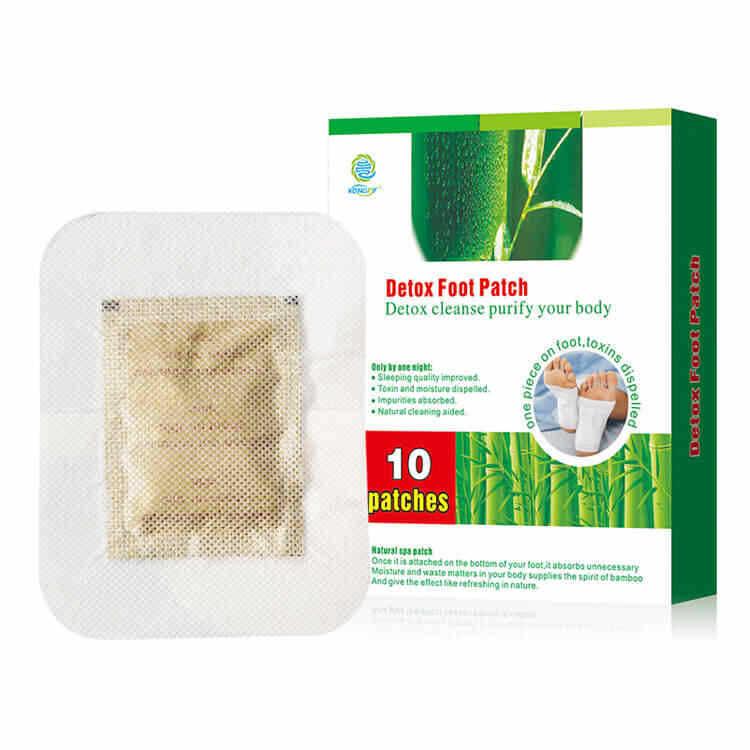
-
 KONGDY
Why Is Regulatory Compliance Important for Detox Foot Pads OEM?
In today’s highly competitive wellness and personal care market, regulatory compliance is no longer optional—it is a decisive factor that determines whether a brand can scale globally or face costly setbacks. This is especially true for products like Detox Foot Pads, which sit at the intersection of health, wellness, and consumer safety regulations.
For any brand working with a Detox Foot Pads OEM, understanding and prioritizing regulatory compliance is essential. From ingredient approval and manufacturing standards to labeling claims and cross-border certifications, compliance directly impacts product safety, brand credibility, market access, and long-term profitability.
This article explores why regulatory compliance is so critical for Detox Foot Pads OEM partnerships, how a professional Detox Foot Pads Manufacturer ensures compliance, and what brands should look for when sourcing Custom Detox Foot Pads or Private Label Detox Foot Pads from a reliable Detox Foot Pads Supplier.
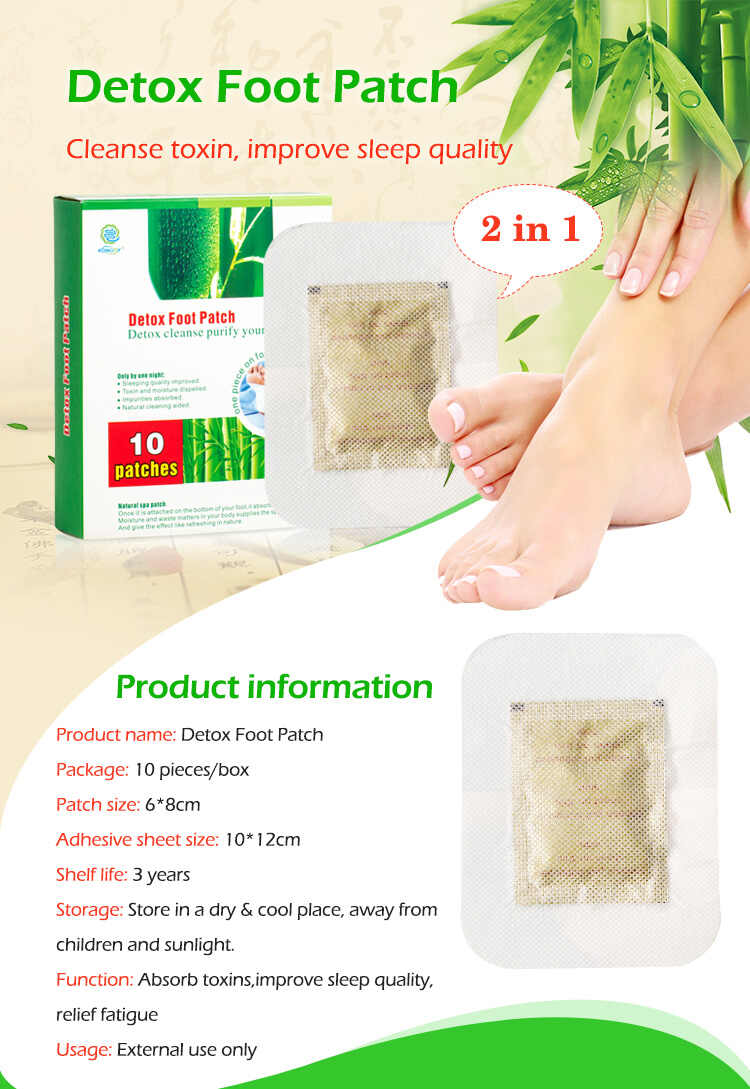
1. Understanding Regulatory Compliance in the Detox Foot Pads Industry
Regulatory compliance refers to meeting all applicable laws, standards, and guidelines set by local and international authorities governing product safety, manufacturing, labeling, and marketing.
For Detox Foot Pads, regulations may involve:
Cosmetic or wellness product classifications
Ingredient safety and restricted substance lists
Manufacturing standards (e.g., GMP, ISO)
Product claims and advertising compliance
Packaging and labeling requirements
A responsible Detox Foot Pads OEM must navigate different regulatory frameworks depending on the target market, such as the FDA (United States), CE and REACH (European Union), MHRA (UK), or ASEAN cosmetic regulations.
Failure to comply can result in customs rejection, product recalls, fines, or even permanent brand damage.
2. Why Regulatory Compliance Is Critical for Detox Foot Pads OEM Partnerships
2.1 Protecting Consumer Safety and Trust
At its core, regulatory compliance exists to protect consumers. Detox Foot Pads are applied directly to the skin, often overnight, making ingredient safety and material quality non-negotiable.
A compliant Detox Foot Pads Manufacturer ensures that:
All herbal ingredients are safe for topical use
No banned or restricted substances are included
Adhesives and nonwoven materials meet skin-contact standards
Products undergo basic safety and irritation testing
When consumers trust a product, repeat purchases follow. Compliance builds confidence—not just with regulators, but with end users.
2.2 Ensuring Smooth Market Access Across Countries
Different markets have different rules. A Detox Foot Pad that sells freely in one country may be blocked at customs in another if compliance documentation is incomplete.
An experienced Detox Foot Pads OEM helps brands prepare:
MSDS (Material Safety Data Sheets)
Ingredient lists aligned with local regulations
Product safety declarations
Certificates of analysis (COA)
Country-specific labeling formats
For brands selling Private Label Detox Foot Pads internationally, regulatory readiness determines how fast and smoothly products enter new markets.
2.3 Reducing Legal and Financial Risks for Brands
Non-compliance carries real financial consequences, including:
Product seizures or recalls
Contract penalties with distributors
Lawsuits due to misleading claims
Loss of e-commerce platform listings
When a Detox Foot Pads Supplier operates without regulatory discipline, the brand ultimately bears the risk. Partnering with a compliant Detox Foot Pads OEM minimizes exposure and protects long-term investments.
3. Regulatory Compliance and Product Claims: A Critical Balance
3.1 Managing Detox Claims Responsibly
One of the most sensitive areas in Detox Foot Pads compliance is marketing claims. Regulatory authorities closely monitor words like:
“Cure”
“Treat”
“Remove toxins”
“Medical detoxification”
A professional Detox Foot Pads Manufacturer understands how to position products as wellness or lifestyle items, not medical devices, and helps brands use compliant, low-risk language.
Examples of compliant positioning include:
“Supports relaxation”
“Inspired by traditional herbal practices”
“Helps promote foot comfort during sleep”
This approach protects brands from enforcement actions while still allowing effective marketing.
3.2 Labeling Accuracy and Transparency
Regulatory bodies require that labels accurately reflect the product’s contents and intended use. A compliant Detox Foot Pads OEM ensures:
Full ingredient disclosure
Clear usage instructions
Appropriate warnings and disclaimers
No misleading imagery or exaggerated effects
For Custom Detox Foot Pads, this is especially important because formulations and branding elements may differ from standard private label products.
4. The Role of GMP and ISO Standards in Detox Foot Pads OEM
4.1 Good Manufacturing Practice (GMP)
GMP compliance ensures that Detox Foot Pads are produced in a controlled, hygienic, and traceable environment. This includes:
Raw material inspection
Batch production records
Cleanroom or controlled assembly areas
Quality control at each production stage
A GMP-certified Detox Foot Pads Manufacturer demonstrates accountability and consistency—key factors for regulatory audits and distributor trust.
4.2 ISO Certifications and Systematic Quality Control
ISO standards, such as ISO 9001 or ISO 13485 (where applicable), indicate that a Detox Foot Pads OEM follows structured quality management systems.
For brands, this means:
Lower defect rates
Predictable production outcomes
Easier documentation for compliance reviews
Greater confidence when scaling orders
5. Why Regulatory Compliance Matters More for Private Label Detox Foot Pads
5.1 The Brand Bears Full Responsibility
With Private Label Detox Foot Pads, the brand’s name is on the packaging—not the manufacturer’s. Regulators, distributors, and consumers will hold the brand accountable for any compliance issues.
That makes choosing a compliant Detox Foot Pads Supplier critical. The supplier should proactively support:
Regulatory documentation
Label review
Market-specific compliance advice
5.2 Faster Brand Scaling with Lower Risk
When regulatory compliance is built into the OEM process, brands can:
Launch products faster
Enter new markets with fewer delays
Avoid costly re-labeling or reformulation
Focus on marketing and distribution
This is a major competitive advantage in crowded wellness markets.
6. Custom Detox Foot Pads: Compliance Challenges and Solutions
6.1 Ingredient Innovation vs. Regulatory Limits
Custom formulations allow differentiation—but they also introduce compliance complexity. New herbs, powders, or additives must be checked against:
Restricted ingredient lists
Concentration limits
Regional cosmetic regulations
An experienced Detox Foot Pads OEM guides brands through ingredient selection that balances innovation and compliance.
6.2 Documentation Support for Custom Projects
For Custom Detox Foot Pads, compliance documentation often includes:
Custom MSDS files
Stability and safety summaries
Formula declarations
A professional Detox Foot Pads Manufacturer should offer this as part of the OEM service—not as an afterthought.
7. How to Identify a Compliance-Focused Detox Foot Pads Supplier
When evaluating a Detox Foot Pads Supplier, brands should ask:
Do you follow GMP or ISO standards?
Can you provide compliance documents for different markets?
How do you manage ingredient restrictions?
Do you assist with compliant labeling and claims?
Suppliers who answer clearly and transparently are more likely to support sustainable brand growth.
8. Long-Term Brand Value Depends on Regulatory Compliance
Regulatory compliance is not just about avoiding penalties—it is about building a trustworthy, scalable brand.
A compliant Detox Foot Pads OEM helps brands:
Maintain consistent product quality
Protect brand reputation
Build stronger distributor relationships
Adapt quickly to regulatory updates
In an industry where consumer skepticism is rising, compliance is a powerful trust signal.
Conclusion: Compliance Is a Strategic Advantage, Not a Cost
For brands sourcing Detox Foot Pads, regulatory compliance should never be treated as a burden. Instead, it should be viewed as a strategic investment that protects consumers, strengthens brand credibility, and enables global expansion.
Choosing the right Detox Foot Pads Manufacturer or Detox Foot Pads OEM—one that prioritizes compliance at every stage—can be the difference between short-term sales and long-term success.
Whether you are launching Private Label Detox Foot Pads or developing Custom Detox Foot Pads, working with a compliance-driven Detox Foot Pads Supplier is essential in today’s regulated global marketplace.
Frequently Asked Questions (FAQs)
Q1: Why is regulatory compliance important for a Detox Foot Pads OEM?
A: It ensures product safety, legal market access, compliant claims, and protects brands from recalls, fines, and reputational damage.
Q2: Who is responsible for compliance—brand or Detox Foot Pads Manufacturer?
A: Ultimately the brand is responsible, but a professional Detox Foot Pads OEM provides the necessary systems, documentation, and guidance.
Q3: Are Private Label Detox Foot Pads more risky from a compliance perspective?
A: Yes, because the brand name is fully exposed. This makes working with a compliant Detox Foot Pads Supplier especially important.
Q4: Do Custom Detox Foot Pads require extra regulatory checks?
A: Yes. Custom ingredients and formulations must be reviewed against regional regulations to avoid restricted substances.
Q5: What certifications should a Detox Foot Pads Manufacturer have?
A: GMP, ISO 9001, and relevant product safety documentation are strong indicators of compliance readiness.
Q6: Can regulatory compliance help improve brand trust?
A: Absolutely. Compliance supports transparency, safety, and credibility—key drivers of long-term consumer trust.


