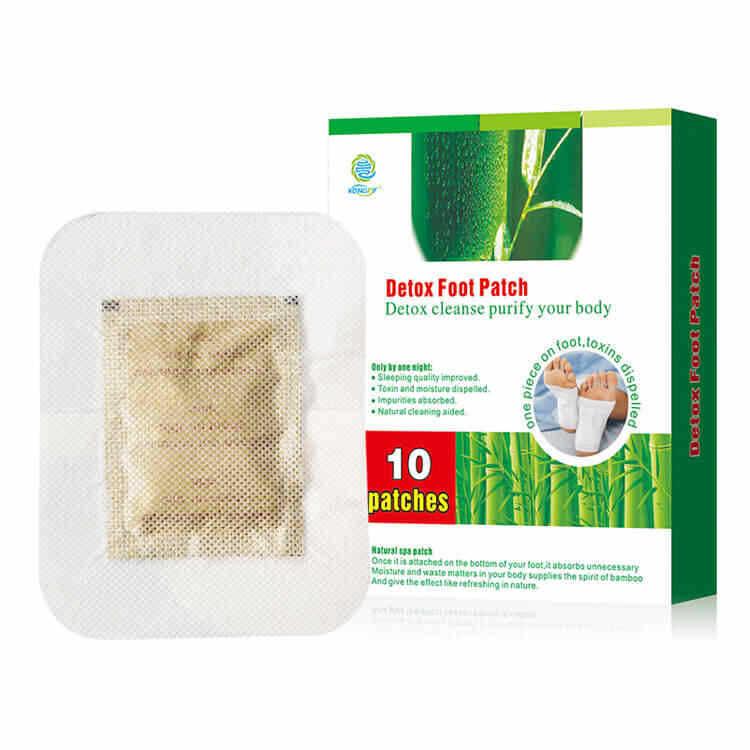
-
 KONGDY
What Is the Difference Between a Detox Foot Patches Manufacturer and a Supplier?
In the fast-growing wellness market, detox foot patches have become a popular product category for brands looking to scale quickly and efficiently. However, one of the most common—and costly—mistakes brands make is confusing a Detox Foot Patches Manufacturer with a Detox Foot Patches Supplier.
While these two roles are often used interchangeably, they represent very different capabilities, responsibilities, and risk levels. Understanding the difference is essential for brands planning to launch Private Label Detox Foot Patches, develop Custom Detox Foot Patches, or enter long-term partnerships through Detox Foot Patches OEM.
This article provides a clear, structured, and persuasive explanation of how manufacturers and suppliers differ—and why choosing the right partner can determine your brand’s success.
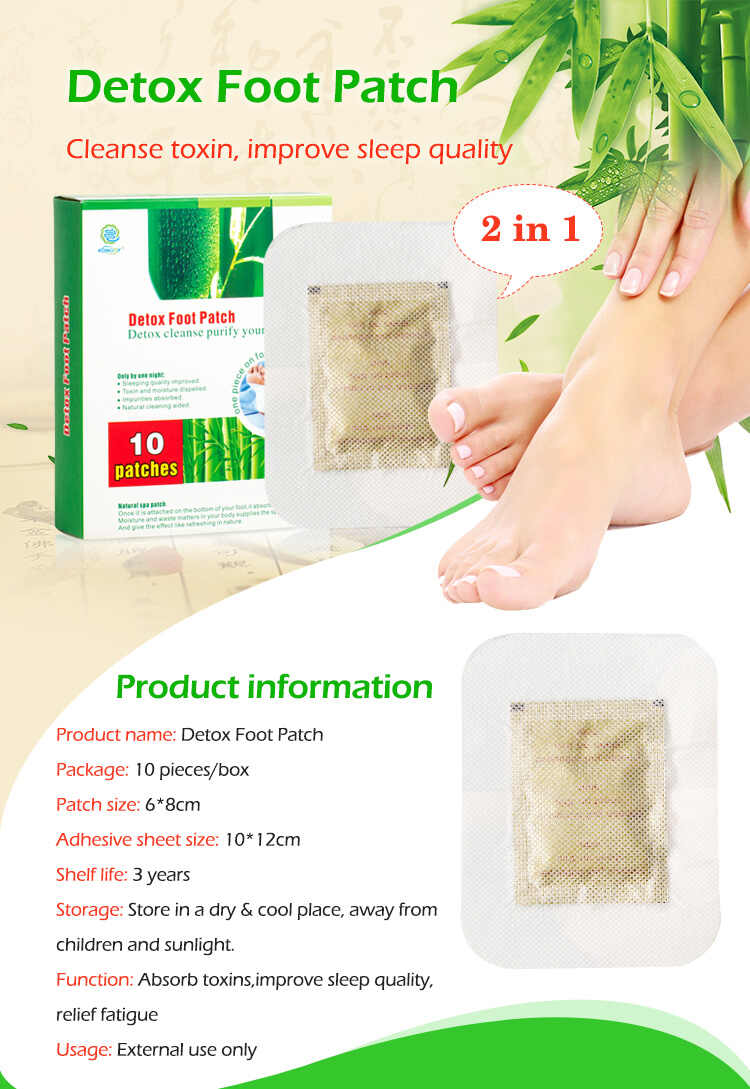
1. Defining a Detox Foot Patches Manufacturer
A Detox Foot Patches Manufacturer is the entity that physically produces detox foot patches.
This includes:
Raw material sourcing and qualification
Ingredient formulation and blending
Patch assembly and sealing
Quality control and testing
Packaging integration
Manufacturers operate production facilities, employ technical teams, and maintain systems to ensure consistent quality, safety, and scalability.
For brands seeking reliability and long-term growth, working directly with a Detox Foot Patches Manufacturer offers greater transparency and control.
2. Defining a Detox Foot Patches Supplier
A Detox Foot Patches Supplier is a broader term that may include:
Trading companies
Distributors
Export agents
Brand aggregators
Suppliers typically do not manufacture products themselves. Instead, they source detox foot patches from one or more manufacturers and resell them to brands or distributors.
While some suppliers add value through logistics or communication, they generally offer limited influence over formulation, production, or quality control.
3. Core Differences at a Glance
| Aspect | Detox Foot Patches Manufacturer | Detox Foot Patches Supplier |
|---|---|---|
| Owns production facility | Yes | Usually no |
| Controls formulation | Yes | Limited or none |
| Offers Detox Foot Patches OEM | Yes | Often indirect |
| Supports Custom Detox Foot Patches | Strong | Limited |
| Handles quality control | In-house | Relies on factory |
| Pricing transparency | High | Marked up |
| Long-term scalability | Strong | Uncertain |
This difference becomes especially important when developing Private Label Detox Foot Patches or proprietary formulas.
4. Manufacturing Control vs. Product Reselling
The most fundamental difference lies in control.
A Detox Foot Patches Manufacturer:
Controls raw material quality
Adjusts production processes
Resolves defects at the source
A Detox Foot Patches Supplier:
Acts as an intermediary
Relays information between brand and factory
Has limited authority over production changes
For brands, this distinction affects everything from product consistency to problem resolution speed.
5. OEM Capability: Manufacturer vs. Supplier
Detox Foot Patches OEM services require technical depth.
A true OEM manufacturer can:
Develop custom formulations
Modify ingredient ratios
Design patch structures
Scale production reliably
Most suppliers cannot offer true OEM support because they do not own or manage production facilities.
If your brand aims to create Custom Detox Foot Patches, working directly with a Detox Foot Patches Manufacturer is almost always the better choice.
6. Custom Detox Foot Patches: Who Can Really Deliver?
Customization demands:
R&D capability
Ingredient sourcing flexibility
Process validation
Quality documentation
A qualified Detox Foot Patches Manufacturer has in-house teams to manage these requirements.
By contrast, a Detox Foot Patches Supplier may:
Offer only pre-existing formulas
Have limited customization options
Depend on third-party factories for changes
This often results in longer lead times, higher costs, and limited differentiation.
7. Private Label Detox Foot Patches: Where Suppliers Fit
Suppliers are most effective in Private Label Detox Foot Patches scenarios where:
Speed is more important than differentiation
Standard formulas are acceptable
Order volumes are relatively small
However, even in private label programs, manufacturers typically offer:
Better pricing
More consistent quality
Greater scalability
For growing brands, transitioning from supplier-based sourcing to direct manufacturing partnerships is a common—and strategic—move.
8. Quality Control and Risk Management
Quality issues are inevitable in manufacturing. How they are handled depends on who you work with.
A Detox Foot Patches Manufacturer:
Identifies issues during production
Implements corrective actions immediately
Maintains batch traceability
A Detox Foot Patches Supplier:
Must communicate issues to the factory
Has limited influence over corrective measures
Adds response delays
For skin-contact products like detox foot patches, direct quality control access significantly reduces risk.
9. Regulatory and Compliance Support
Compliance is closely tied to manufacturing processes.
A professional Detox Foot Patches Manufacturer can provide:
Ingredient documentation
Production records
Quality certifications
Traceability data
Suppliers may lack access to complete documentation or rely on factory cooperation—creating compliance gaps, especially for international markets.
10. Cost Structure and Pricing Transparency
Working with a Detox Foot Patches Supplier usually means:
Additional markups
Less pricing transparency
Limited cost optimization
Direct collaboration with a Detox Foot Patches Manufacturer often results in:
Factory-direct pricing
Better cost control
Improved margins at scale
For brands planning long-term growth, manufacturing partnerships offer stronger financial sustainability.
11. Scalability and Long-Term Brand Growth
Scalability is where the difference becomes most visible.
A Detox Foot Patches Manufacturer can:
Increase capacity as demand grows
Maintain consistency at higher volumes
Support international expansion
A supplier may struggle to scale efficiently, especially if they rely on multiple factories with varying standards.
12. Communication and Technical Support
When issues arise, speed matters.
Working directly with a Detox Foot Patches Manufacturer allows:
Direct technical communication
Faster problem-solving
Clear accountability
With a supplier, communication passes through multiple layers—slowing decisions and increasing misunderstandings.
13. Choosing the Right Partner for Your Brand
The right choice depends on your business goals.
Choose a Detox Foot Patches Supplier if:
You need small volumes quickly
Customization is not critical
You are testing the market
Choose a Detox Foot Patches Manufacturer if:
You want OEM or custom formulations
You plan to scale long-term
Brand differentiation matters
Understanding this distinction helps brands avoid costly misalignment.
Conclusion: Manufacturer vs. Supplier—A Strategic Decision
So, what is the difference between a Detox Foot Patches Manufacturer and a supplier?
A manufacturer:
Produces the product
Controls quality and formulation
Supports OEM, custom, and private label programs
A supplier:
Sources and resells products
Offers convenience but limited control
Is best suited for short-term or low-complexity needs
For brands serious about building a reliable, scalable detox foot patch business, partnering directly with a Detox Foot Patches Manufacturer is often the most strategic path forward.
Frequently Asked Questions (FAQ)
Q1: Can a Detox Foot Patches Supplier also be a manufacturer?
Sometimes, but many suppliers are trading companies. Always verify factory ownership.
Q2: Is OEM only available through manufacturers?
Yes. True Detox Foot Patches OEM services require direct manufacturing control.
Q3: Which is better for custom detox foot patches?
A Detox Foot Patches Manufacturer offers far superior customization capabilities.
Q4: Are private label detox foot patches cheaper from suppliers?
Not necessarily. Manufacturers often provide better pricing at scale.
Q5: Does working with a manufacturer reduce quality risk?
Yes. Direct oversight improves consistency and response time.
Q6: When should a brand move from a supplier to a manufacturer?
When scaling, customizing, or entering regulated markets.


