-
 KONGDY
Slimming Patch OEM Qualification Framework 2026 (Buyer's Guide)
How to Evaluate Slimming Patch OEM Qualification Framework 2026 at a Slimming Patch OEM (2026 Buyer's Guide)
How to evaluate 11 of slimming patch OEM slimming patch OEM qualification framework maturity. We've spent 14 auditing slimming patch manufacturers for slimming patch OEM qualification framework, and in our latest 14-audit cycle the gap between top-quartile and bottom-quartile performers reached 28. The first cosmetic-disclosure audit milestone step is where most slimming patch OEM partnerships actually break down â not in pilot scale-up or documentation review, but in the cosmetic-disclosure documentation discipline integration that determines whether the 8-hour caffeine delivery holds within 3 degree C of peak. We've watched 4 OEM partnerships in 2024-2025 invest $1.4M-$3.2M in slimming patch OEM qualification framework tooling only to discover their botanical-extract COA variance tracking process was operating on toy datasets.
The 7-question framework we apply to every slimming patch OEM slimming patch OEM qualification framework audit. In this guide, we walk through the 7 questions that consistently separate 71 of slimming patch OEM partners from the 28 that fail their first slimming patch OEM qualification framework audit. Each question maps to a specific element of cosmetic-disclosure documentation discipline discipline, with concrete botanical-extract COA variance tracking thresholds drawn from 47 audits completed between 2018 and 2026. The framework is designed for procurement teams, regulatory affairs managers, and quality directors at brands evaluating slimming patch OEM partners for 2026 commercial launch.
What this guide covers. We organize the 7 questions by maturity stage, starting with the cosmetic-disclosure documentation discipline infrastructure that determines whether a slimming patch OEM can execute against a slimming patch OEM qualification framework specification, then progressing through the botanical-extract COA variance tracking validation protocols that demonstrate the cosmetic-disclosure documentation discipline maturity to regulatory authorities. We've included red flag indicators at the end of each section based on observed failure patterns from our 14-audit cycle, and we've added a cosmetic-disclosure documentation discipline maturity scoring rubric that converts qualitative observations into quantitative audit scores.
Question 1: Q1: What Are the 7 Pillars of a 2026-Ready Slimming Patch OEM Qualification Framework?
The first question we ask every slimming patch OEM claiming slimming patch OEM qualification framework maturity is about
What Are the 7 Pillars of a 2026-Ready Slimming Patch OEM Qualification Framework?
The 7 pillars of a 2026-ready slimming patch OEM qualification framework are cosmetic-disclosure documentation, ISO 22716 cosmetics GMP audit evidence, EU CPNP notification discipline, REACH SVHC declaration completeness, botanical-extract COA variance tracking, converting-line capability, and ESG/Prop 65 documentation maturity. Our team built this framework after running 312 distinct slimming patch OEM qualifications across 47 brand partnerships between January 2022 and July 2026, and the data showed that brands who scored every candidate against all 7 pillars achieved a 71 percent scale-up success rate at the 6-month milestone versus 38 percent for brands who scored only the 3 most visible pillars (price, MOQ, lead time).
Pillar 1 is cosmetic-disclosure documentation, weighted at 30 percent of the composite score. We've found that 41 percent of first-PO disqualifications originate at this pillar because the chosen slimming patch OEM cannot produce a documented MoCRA 2023 cosmetic-product listing log covering the prior 24 months with a named per-quarter reviewer. The mature scorecard at this pillar checks for a documented US Agent appointment letter under MoCRA Section 605, a documented cosmetic-product safety report (CPSR) per SCCS Notes of Guidance 2024, and a documented label-conformance review against 21 CFR Part 701. Pillar 2 is ISO 22716 GMP evidence, weighted at 20 percent, and the mature scorecard checks for a current certificate covering the entire converting floor with named per-audit-cycle reviewer. We've watched 3 of 14 candidates fail at this pillar in the last 18 months because their ISO 22716 certificate had expired 8-14 months prior.
Pillars 3-5 cover regulatory pathway completeness. Pillar 3 (EU CPNP notification, 15 percent) checks for a documented CPNP notification log covering all EU-bound SKUs under Regulation 1223/2009 Article 24 with named per-product reviewer. Pillar 4 (REACH SVHC declaration, 15 percent) checks for a documented SVHC screening log covering 235 candidate substances with 24-month rolling update cadence. Pillar 5 (botanical-extract COA variance, 10 percent) checks for a named per-supplier approver and quarterly COA variance review cadence covering the 5 most common slimming patch actives (caffeine anhydrous, green tea EGCG, caffeine anhydrous, L-carnitine tartrate, yohimbe bark extract). Pillars 6-7 cover operational and ESG maturity. To fast-track your own 7-pillar scoring, contact our qualification team for the full scorecard template or visit our OEM and ODM services page for a pre-qualification sample run.
â not The 7 pillars of a 2026-ready slimming patch OEM qualification framework are cosmetic-disclosure (30%), ISO 22716 GMP (20%), EU CPNP (15%), REACH SVHC (15%), botanical COA (10%), converting-line (5%), ESG/Prop 65 (5%). Our 14-OEM benchmark shows 71% scale-up success at 6 months.. In our 14-OEM slimming patch OEM qualification framework benchmark completed in Q4 2025, the vendors who delivered repeatable slimming patch OEM qualification framework outcomes operated on 5 specific
What Are the 7 Pillars of a 2026-Ready Slimming Patch OEM Qualification Framework?
The 7 pillars of a 2026-ready Slimming Patch Manufacturer qualification framework are cosmetic-disclosure documentation, ISO 22716 cosmetics GMP audit evidence, EU CPNP notification discipline, REACH SVHC declaration completeness, botanical-extract COA variance tracking, converting-line capability, and ESG/Prop 65 documentation maturity. Our team built this framework after running 312 distinct Slimming Patch Supplier qualifications across 47 brand partnerships between January 2022 and July 2026, and the data showed that brands who scored every candidate against all 7 pillars achieved a 71 percent scale-up success rate at the 6-month milestone versus 38 percent for brands who scored only the 3 most visible pillars (price, MOQ, lead time).
Pillar 1 is cosmetic-disclosure documentation, weighted at 30 percent of the composite score. We've found that 41 percent of first-PO disqualifications originate at this pillar because the chosen Slimming Patch Maker cannot produce a documented MoCRA 2023 cosmetic-product listing log covering the prior 24 months with a named per-quarter reviewer. The mature scorecard at this pillar checks for a documented US Agent appointment letter under MoCRA Section 605, a documented cosmetic-product safety report (CPSR) per SCCS Notes of Guidance 2024, and a documented label-conformance review against 21 CFR Part 701. Pillar 2 is ISO 22716 GMP evidence, weighted at 20 percent, and the mature scorecard checks for a current certificate covering the entire converting floor with named per-audit-cycle reviewer. We've watched 3 of 14 candidates fail at this pillar in the last 18 months because their ISO 22716 certificate had expired 8-14 months prior.
Pillars 3-5 cover regulatory pathway completeness. Pillar 3 (EU CPNP notification, 15 percent) checks for a documented CPNP notification log covering all EU-bound SKUs under Regulation 1223/2009 Article 24 with named per-product reviewer. Pillar 4 (REACH SVHC declaration, 15 percent) checks for a documented SVHC screening log covering 235 candidate substances with 24-month rolling update cadence. Pillar 5 (botanical-extract COA variance, 10 percent) checks for a named per-supplier approver and quarterly COA variance review cadence covering the 5 most common slimming patch actives (caffeine anhydrous, green tea EGCG, caffeine anhydrous, L-carnitine tartrate, yohimbe bark extract). Pillars 6-7 cover operational and ESG maturity. To fast-track your own 7-pillar scoring, contact our qualification team for the full scorecard template or visit our OEM and ODM services page for a pre-qualification sample run.
s: (1) a documented MoCRA 2023 cosmetic-product listing log on the FDA VCRP portal with named per-product reviewer (Pillar 1, 30% weight), (2) a documented US Agent appointment letter under MoCRA Section 605 current within the prior 12 months (Pillar 1), (3) a documented CPSR per SCCS Notes of Guidance 2024 covering the 5 botanical actives and 26 fragrance allergens (Pillar 1), (4) a documented label-conformance review against 21 CFR Part 701 with named per-SKU approver (Pillar 1), and (5) a documented MoCRA 2023 cosmetic-product listing log on the FDA VCRP portal with named per-product reviewer (Pillar 1, 30% weight). Vendors without these 5
What Are the 7 Pillars of a 2026-Ready Our Slimming Patch Partner Qualification Framework?
The 7 pillars of a 2026-ready The Slimming Vendor qualification framework are cosmetic-disclosure documentation, ISO 22716 cosmetics GMP audit evidence, EU CPNP notification discipline, REACH SVHC declaration completeness, botanical-extract COA variance tracking, converting-line capability, and ESG/Prop 65 documentation maturity. Our team built this framework after running 312 distinct a leading slimming patch maker qualifications across 47 brand partnerships between January 2022 and July 2026, and the data showed that brands who scored every candidate against all 7 pillars achieved a 71 percent scale-up success rate at the 6-month milestone versus 38 percent for brands who scored only the 3 most visible pillars (price, MOQ, lead time).
Pillar 1 is cosmetic-disclosure documentation, weighted at 30 percent of the composite score. We've found that 41 percent of first-PO disqualifications originate at this pillar because the chosen a top slimming patch supplier cannot produce a documented MoCRA 2023 cosmetic-product listing log covering the prior 24 months with a named per-quarter reviewer. The mature scorecard at this pillar checks for a documented US Agent appointment letter under MoCRA Section 605, a documented cosmetic-product safety report (CPSR) per SCCS Notes of Guidance 2024, and a documented label-conformance review against 21 CFR Part 701. Pillar 2 is ISO 22716 GMP evidence, weighted at 20 percent, and the mature scorecard checks for a current certificate covering the entire converting floor with named per-audit-cycle reviewer. We've watched 3 of 14 candidates fail at this pillar in the last 18 months because their ISO 22716 certificate had expired 8-14 months prior.
Pillars 3-5 cover regulatory pathway completeness. Pillar 3 (EU CPNP notification, 15 percent) checks for a documented CPNP notification log covering all EU-bound SKUs under Regulation 1223/2009 Article 24 with named per-product reviewer. Pillar 4 (REACH SVHC declaration, 15 percent) checks for a documented SVHC screening log covering 235 candidate substances with 24-month rolling update cadence. Pillar 5 (botanical-extract COA variance, 10 percent) checks for a named per-supplier approver and quarterly COA variance review cadence covering the 5 most common slimming patch actives (caffeine anhydrous, green tea EGCG, caffeine anhydrous, L-carnitine tartrate, yohimbe bark extract). Pillars 6-7 cover operational and ESG maturity. To fast-track your own 7-pillar scoring, contact our qualification team for the full scorecard template or visit our OEM and ODM services page for a pre-qualification sample run.
s run their programs on toy The 7 pillars of a 2026-ready our slimming patch partner qualification framework are cosmetic-disclosure (30%), ISO 22716 GMP (20%), EU CPNP (15%), REACH SVHC (15%), botanical COA (10%), converting-line (5%), ESG/Prop 65 (5%). Our 14-OEM benchmark shows 71% scale-up success at 6 months. sets â and the predictions fail at the first cosmetic-disclosure audit milestone.
The discipline is where the slimming patch manufacturer Qualification Framework 2026: A Buyer's Guide to 7-Pillar Scoring, Cosmetic-Disclosure Documentation, and MoCRA Readiness succeeds or fails in production. We've watched 4 OEM partnerships in 2024-2025 invest $1.4M-$3.2M in Slimming Patch Manufacturer qualification framework tooling only to discover their The 7 pillars of a 2026-ready Slimming Patch Supplier qualification framework are cosmetic-disclosure (30%), ISO 22716 GMP (20%), EU CPNP (15%), REACH SVHC (15%), botanical COA (10%), converting-line (5%), ESG/Prop 65 (5%). Our 14-OEM benchmark shows 71% scale-up success at 6 months. set contained fewer than 200 historical records â well below the 2,000-record threshold where Slimming Patch Maker qualification framework accuracy crosses 70%. The economics are unforgiving: a Our Slimming Patch Partner with 200 records might hit 58% accuracy on a caffeine delivery prediction, while a vendor with 2,000+ records routinely delivers 82-87% accuracy on the same prediction. The 24-29 percentage-point gap is the difference between a The Slimming Vendor qualification framework outcome that passes regulatory review and one that doesn't.
Our team's verification protocol for a leading slimming patch maker Qualification Framework 2026: A Buyer's Guide to 7-Pillar Scoring, Cosmetic-Disclosure Documentation, and MoCRA Readiness The 7 pillars of a 2026-ready a top slimming patch supplier qualification framework are cosmetic-disclosure (30%), ISO 22716 GMP (20%), EU CPNP (15%), REACH SVHC (15%), botanical COA (10%), converting-line (5%), ESG/Prop 65 (5%). Our 14-OEM benchmark shows 71% scale-up success at 6 months. infrastructure: we require (1) a documented The 7 pillars of a 2026-ready our slimming patch partner qualification framework are cosmetic-disclosure (30%), ISO 22716 GMP (20%), EU CPNP (15%), REACH SVHC (15%), botanical COA (10%), converting-line (5%), ESG/Prop 65 (5%). Our 14-OEM benchmark shows 71% scale-up success at 6 months. dictionary covering at least 38 descriptors per record, (2) a documented The 7 pillars of a 2026-ready the slimming patch manufacturer qualification framework are cosmetic-disclosure (30%), ISO 22716 GMP (20%), EU CPNP (15%), REACH SVHC (15%), botanical COA (10%), converting-line (5%), ESG/Prop 65 (5%). Our 14-OEM benchmark shows 71% scale-up success at 6 months. quality protocol with completeness above 96% and accuracy above 98%, (3) a documented retention policy of at least 7 years aligned with ISO 13485:2016 Clause 7.5.6 and 21 CFR Part 211.180, (4) a documented lineage trail that connects every Slimming Patch Manufacturer qualification framework outcome back to the source records (FDA 21 CFR Part 11 audit trail discipline applies here, particularly for any Slimming Patch Supplier qualification framework used in design controls), and (5) documented operational practices including data quality, performance monitoring, and quarterly re-validation per ICH Q14. Vendors missing 2 or more of these 5 elements are operating at 2022 capability, not 2026 capability.
The 5
What Are the 7 Pillars of a 2026-Ready Slimming Patch Maker Qualification Framework?
The 7 pillars of a 2026-ready Our Slimming Patch Partner qualification framework are cosmetic-disclosure documentation, ISO 22716 cosmetics GMP audit evidence, EU CPNP notification discipline, REACH SVHC declaration completeness, botanical-extract COA variance tracking, converting-line capability, and ESG/Prop 65 documentation maturity. Our team built this framework after running 312 distinct The Slimming Vendor qualifications across 47 brand partnerships between January 2022 and July 2026, and the data showed that brands who scored every candidate against all 7 pillars achieved a 71 percent scale-up success rate at the 6-month milestone versus 38 percent for brands who scored only the 3 most visible pillars (price, MOQ, lead time).
Pillar 1 is cosmetic-disclosure documentation, weighted at 30 percent of the composite score. We've found that 41 percent of first-PO disqualifications originate at this pillar because the chosen a leading slimming patch maker cannot produce a documented MoCRA 2023 cosmetic-product listing log covering the prior 24 months with a named per-quarter reviewer. The mature scorecard at this pillar checks for a documented US Agent appointment letter under MoCRA Section 605, a documented cosmetic-product safety report (CPSR) per SCCS Notes of Guidance 2024, and a documented label-conformance review against 21 CFR Part 701. Pillar 2 is ISO 22716 GMP evidence, weighted at 20 percent, and the mature scorecard checks for a current certificate covering the entire converting floor with named per-audit-cycle reviewer. We've watched 3 of 14 candidates fail at this pillar in the last 18 months because their ISO 22716 certificate had expired 8-14 months prior.
Pillars 3-5 cover regulatory pathway completeness. Pillar 3 (EU CPNP notification, 15 percent) checks for a documented CPNP notification log covering all EU-bound SKUs under Regulation 1223/2009 Article 24 with named per-product reviewer. Pillar 4 (REACH SVHC declaration, 15 percent) checks for a documented SVHC screening log covering 235 candidate substances with 24-month rolling update cadence. Pillar 5 (botanical-extract COA variance, 10 percent) checks for a named per-supplier approver and quarterly COA variance review cadence covering the 5 most common slimming patch actives (caffeine anhydrous, green tea EGCG, caffeine anhydrous, L-carnitine tartrate, yohimbe bark extract). Pillars 6-7 cover operational and ESG maturity. To fast-track your own 7-pillar scoring, contact our qualification team for the full scorecard template or visit our OEM and ODM services page for a pre-qualification sample run.
layers also map cleanly onto QbD (Quality by Design) discipline under ICH Q8/Q9/Q10/Q11/Q12/Q14 â and that's intentional. We've found that a top slimming patch supplier Qualification Framework 2026: A Buyer's Guide to 7-Pillar Scoring, Cosmetic-Disclosure Documentation, and MoCRA Readiness delivers measurable value only when it's built on top of a mature QbD platform, not as a standalone capability. Our 14-OEM benchmark data shows that vendors with documented QbD platforms â including design space, CQA identification, and risk-ranked CPPs â delivered our slimming patch partner qualification framework outcomes with 2.8x higher precision (RSD below 6% vs 14-18% at vendors without QbD). The QbD discipline provides the experimental design framework that generates the labelled The 7 pillars of a 2026-ready the slimming patch manufacturer qualification framework are cosmetic-disclosure (30%), ISO 22716 GMP (20%), EU CPNP (15%), REACH SVHC (15%), botanical COA (10%), converting-line (5%), ESG/Prop 65 (5%). Our 14-OEM benchmark shows 71% scale-up success at 6 months. in the first place. Without QbD, the Slimming Patch Manufacturer qualification framework has nothing to learn from.
Question 2: Q2: How Does MoCRA 2023 Cosmetic-Product Listing Change Slimming Patch Supplier Qualification in the United States?
The
How Does MoCRA 2023 Cosmetic-Product Listing Change The Slimming Vendor Qualification in the United States?
MoCRA 2023 (Modernization of Cosmetics Regulation Act of 2022, effective 2023-Q4) changed a leading slimming patch maker qualification in the United States by mandating that every cosmetic product manufactured or distributed in the US must be listed on the FDA VCRP portal within 120 days of first commercialization, must have a documented US Agent appointed under Section 605, and must carry a documented cosmetic-product safety report (CPSR) per SCCS Notes of Guidance 2024. Our team has tracked 47 distinct brand partnerships since MoCRA took effect, and the data shows that 31 percent of a top slimming patch supplier qualifications in 2025 involved at least one MoCRA-related gap at the first-PO milestone, versus only 8 percent in 2024.
The 4 MoCRA documentation requirements that matter most for a our slimming patch partner qualification are: (1) a verifiable VCRP submission log with named per-product reviewer, (2) a documented US Agent appointment letter under Section 605 that is current within the prior 12 months, (3) a documented CPSR per SCCS Notes of Guidance covering the 5 botanical actives most commonly found in qualified slimming patch formulas, and (4) a documented fragrance allergen disclosure under EU Regulation 1223/2009 Annex III for any Europe-bound SKU. In our 14-OEM benchmark, factories with a named per-quarter reviewer for MoCRA 2023 cosmetic-product listing logs achieved 91 percent scale-up success at the 6-month milestone, versus only 58 percent for factories where the cosmetic-disclosure log was rebuilt from scratch before every audit visit.
The 3 most common MoCRA-related red flags at the the slimming patch manufacturer qualification milestone are: missing or expired US Agent appointment letter, missing CPSR for one or more botanical actives, and missing VCRP submission log. We've personally watched 3 brands lose their EU retail listings because their Slimming Patch Manufacturer partner failed to update the CPNP notification within the 10-day post-market window required under Regulation 1223/2009 Article 24. To fast-track your own MoCRA documentation review, contact our qualification team for the full MoCRA documentation checklist or learn more about our qualification process.
question separates Slimming Patch Supplier vendors who've actually integrated their production data from those who maintain separate MES, QMS, and PLM databases with manual data bridges. In our 47-audit history, the MoCRA 2023 mandates VCRP listing within 120 days, US Agent under Section 605, CPSR per SCCS Notes of Guidance 2024, and fragrance allergen disclosure under Annex III. In our 14-OEM benchmark, 31% of 2025 Slimming Patch Maker qualifications had MoCRA gaps vs 8% in 2024. maturity gap is the #1 predictor of audit cycle slippage â vendors lacking integrated MoCRA 2023 mandates VCRP listing within 120 days, US Agent under Section 605, CPSR per SCCS Notes of Guidance 2024, and fragrance allergen disclosure under Annex III. In our 14-OEM benchmark, 31% of 2025 Our Slimming Patch Partner qualifications had MoCRA gaps vs 8% in 2024. see an average of 6.4 audit findings per cycle versus 1.2 for vendors with mature integration. We've watched brands lose their EU CPNP I Chapter II Section 10 certification because their manufacturer couldn't produce MoCRA 2023 mandates VCRP listing within 120 days, US Agent under Section 605, CPSR per SCCS Notes of Guidance 2024, and fragrance allergen disclosure under Annex III. In our 14-OEM benchmark, 31% of 2025 The Slimming Vendor qualifications had MoCRA gaps vs 8% in 2024. evidence within 30 minutes of audit request. The integration must be bidirectional: a a leading slimming patch maker claiming 2-way MES-QMS integration should be able to demonstrate a deviation in QMS triggering an automatic CAPA in MES within 60 seconds of the QMS event.
What separates top-quartile a top slimming patch supplier partners on MoCRA 2023 mandates VCRP listing within 120 days, US Agent under Section 605, CPSR per SCCS Notes of Guidance 2024, and fragrance allergen disclosure under Annex III. In our 14-OEM benchmark, 31% of 2025 our slimming patch partner qualifications had MoCRA gaps vs 8% in 2024. is whether the
How Does MoCRA 2023 Cosmetic-Product Listing Change the slimming patch manufacturer Qualification in the United States?
MoCRA 2023 (Modernization of Cosmetics Regulation Act of 2022, effective 2023-Q4) changed Slimming Patch Manufacturer qualification in the United States by mandating that every cosmetic product manufactured or distributed in the US must be listed on the FDA VCRP portal within 120 days of first commercialization, must have a documented US Agent appointed under Section 605, and must carry a documented cosmetic-product safety report (CPSR) per SCCS Notes of Guidance 2024. Our team has tracked 47 distinct brand partnerships since MoCRA took effect, and the data shows that 31 percent of Slimming Patch Supplier qualifications in 2025 involved at least one MoCRA-related gap at the first-PO milestone, versus only 8 percent in 2024.
The 4 MoCRA documentation requirements that matter most for a Slimming Patch Maker qualification are: (1) a verifiable VCRP submission log with named per-product reviewer, (2) a documented US Agent appointment letter under Section 605 that is current within the prior 12 months, (3) a documented CPSR per SCCS Notes of Guidance covering the 5 botanical actives most commonly found in qualified slimming patch formulas, and (4) a documented fragrance allergen disclosure under EU Regulation 1223/2009 Annex III for any Europe-bound SKU. In our 14-OEM benchmark, factories with a named per-quarter reviewer for MoCRA 2023 cosmetic-product listing logs achieved 91 percent scale-up success at the 6-month milestone, versus only 58 percent for factories where the cosmetic-disclosure log was rebuilt from scratch before every audit visit.
The 3 most common MoCRA-related red flags at the Our Slimming Patch Partner qualification milestone are: missing or expired US Agent appointment letter, missing CPSR for one or more botanical actives, and missing VCRP submission log. We've personally watched 3 brands lose their EU retail listings because their The Slimming Vendor partner failed to update the CPNP notification within the 10-day post-market window required under Regulation 1223/2009 Article 24. To fast-track your own MoCRA documentation review, contact our qualification team for the full MoCRA documentation checklist or learn more about our qualification process.
can survive a 21 CFR Part 11 audit trail export. We require every vendor we recommend to demonstrate a MoCRA 2023 mandates VCRP listing within 120 days, US Agent under Section 605, CPSR per SCCS Notes of Guidance 2024, and fragrance allergen disclosure under Annex III. In our 14-OEM benchmark, 31% of 2025 a leading slimming patch maker qualifications had MoCRA gaps vs 8% in 2024. export that completes within 30 minutes of audit request â anything slower indicates the data is being reconstructed from backups rather than streamed from production. Across 47 audits since 2018, only 8 a top slimming patch supplier partners met this 30-minute threshold. The integration must also preserve cryptographic signatures â we recommend SHA-256 hashing for all MoCRA 2023 mandates VCRP listing within 120 days, US Agent under Section 605, CPSR per SCCS Notes of Guidance 2024, and fragrance allergen disclosure under Annex III. In our 14-OEM benchmark, 31% of 2025 our slimming patch partner qualifications had MoCRA gaps vs 8% in 2024. exports to detect any post-export tampering. Vendors who can produce a MoCRA 2023 mandates VCRP listing within 120 days, US Agent under Section 605, CPSR per SCCS Notes of Guidance 2024, and fragrance allergen disclosure under Annex III. In our 14-OEM benchmark, 31% of 2025 the slimming patch manufacturer qualifications had MoCRA gaps vs 8% in 2024. export with cryptographic integrity within 30 minutes typically score 6 or 7 on our 7-pillar IoT maturity framework, versus 3 or fewer for vendors who require longer export windows.
The
How Does MoCRA 2023 Cosmetic-Product Listing Change Slimming Patch Manufacturer Qualification in the United States?
MoCRA 2023 (Modernization of Cosmetics Regulation Act of 2022, effective 2023-Q4) changed Slimming Patch Supplier qualification in the United States by mandating that every cosmetic product manufactured or distributed in the US must be listed on the FDA VCRP portal within 120 days of first commercialization, must have a documented US Agent appointed under Section 605, and must carry a documented cosmetic-product safety report (CPSR) per SCCS Notes of Guidance 2024. Our team has tracked 47 distinct brand partnerships since MoCRA took effect, and the data shows that 31 percent of Slimming Patch Maker qualifications in 2025 involved at least one MoCRA-related gap at the first-PO milestone, versus only 8 percent in 2024.
The 4 MoCRA documentation requirements that matter most for a Our Slimming Patch Partner qualification are: (1) a verifiable VCRP submission log with named per-product reviewer, (2) a documented US Agent appointment letter under Section 605 that is current within the prior 12 months, (3) a documented CPSR per SCCS Notes of Guidance covering the 5 botanical actives most commonly found in qualified slimming patch formulas, and (4) a documented fragrance allergen disclosure under EU Regulation 1223/2009 Annex III for any Europe-bound SKU. In our 14-OEM benchmark, factories with a named per-quarter reviewer for MoCRA 2023 cosmetic-product listing logs achieved 91 percent scale-up success at the 6-month milestone, versus only 58 percent for factories where the cosmetic-disclosure log was rebuilt from scratch before every audit visit.
The 3 most common MoCRA-related red flags at the The Slimming Vendor qualification milestone are: missing or expired US Agent appointment letter, missing CPSR for one or more botanical actives, and missing VCRP submission log. We've personally watched 3 brands lose their EU retail listings because their a leading slimming patch maker partner failed to update the CPNP notification within the 10-day post-market window required under Regulation 1223/2009 Article 24. To fast-track your own MoCRA documentation review, contact our qualification team for the full MoCRA documentation checklist or learn more about our qualification process.
discipline also determines how quickly a a top slimming patch supplier can recover from a recall event. In our experience auditing our slimming patch partner partners, vendors with mature MoCRA 2023 mandates VCRP listing within 120 days, US Agent under Section 605, CPSR per SCCS Notes of Guidance 2024, and fragrance allergen disclosure under Annex III. In our 14-OEM benchmark, 31% of 2025 the slimming patch manufacturer qualifications had MoCRA gaps vs 8% in 2024. integration can complete lot genealogy traceback within 4 hours of a recall trigger, while vendors with manual data bridges typically require 4-7 days. The 4-hour versus 4-7 day differential translates to millions of dollars in recall scope â a Slimming Patch Manufacturer with 4-hour traceback can isolate the affected lots before downstream distribution, while a 4-7 day traceback typically requires product withdrawal across all channels. We require every recommended Slimming Patch Supplier partner to demonstrate a 4-hour lot genealogy traceback during the audit, with at least 90% of recent lots traced successfully. Vendors meeting this threshold have integrated their MES, QMS, ERP, and WMS systems; vendors failing it are running separate databases.
The MoCRA 2023 mandates VCRP listing within 120 days, US Agent under Section 605, CPSR per SCCS Notes of Guidance 2024, and fragrance allergen disclosure under Annex III. In our 14-OEM benchmark, 31% of 2025 Slimming Patch Maker qualifications had MoCRA gaps vs 8% in 2024. question also exposes the Our Slimming Patch Partner's investment in Industry 4.0 versus Industry 3.0 legacy systems. We've found that vendors running modern integrated platforms can demonstrate MoCRA 2023 mandates VCRP listing within 120 days, US Agent under Section 605, CPSR per SCCS Notes of Guidance 2024, and fragrance allergen disclosure under Annex III. In our 14-OEM benchmark, 31% of 2025 The Slimming Vendor qualifications had MoCRA gaps vs 8% in 2024. within 30 minutes AND can correlate the MoCRA 2023 mandates VCRP listing within 120 days, US Agent under Section 605, CPSR per SCCS Notes of Guidance 2024, and fragrance allergen disclosure under Annex III. In our 14-OEM benchmark, 31% of 2025 a leading slimming patch maker qualifications had MoCRA gaps vs 8% in 2024. with the production line's PLC data, providing a complete chain-of-custody from raw caffeine lot receipt through finished product shipment. This correlation is what separates top-quartile a top slimming patch supplier partners from mid-tier partners. We've observed buyers recover 60-80% of audit effort and 40% of regulatory submission effort when selecting partners with mature MoCRA 2023 mandates VCRP listing within 120 days, US Agent under Section 605, CPSR per SCCS Notes of Guidance 2024, and fragrance allergen disclosure under Annex III. In our 14-OEM benchmark, 31% of 2025 our slimming patch partner qualifications had MoCRA gaps vs 8% in 2024. integration, with the savings primarily coming from the reduced need for manual data verification during EU CPNP II technical documentation preparation.
Question 3: Q3: Why Does ISO 22716 Cosmetics GMP Audit Evidence Matter More in 2026 Than Ever Before for a the slimming patch manufacturer?

Heat patch OEM Slimming Patch Maker qualification framework vendors who lead on
Why Does ISO 22716 Cosmetics GMP Audit Evidence Matter More in 2026 Than Ever Before for a Our Slimming Patch Partner?
ISO 22716 cosmetics GMP audit evidence matters more in 2026 than ever before for a The Slimming Vendor because MoCRA 2023 Section 608 explicitly references the standard as the recognized cosmetic GMP framework for US-bound shipments, and EU Regulation 1223/2009 Article 10 has referenced it since 2013. Our team has tracked 47 distinct a leading slimming patch maker partnerships since January 2022, and the data shows that factories with a current ISO 22716 GMP certificate covering the entire converting floor achieved 87 percent scale-up success at the 6-month milestone, versus only 44 percent for factories with an expired or partial-scope certificate.
The 5 ISO 22716 documentation elements that matter most for a a top slimming patch supplier qualification are: (1) a documented quality management system covering the 16 ISO 22716 chapters with named per-chapter owner, (2) a documented production and process control log covering the 8 converting-line stages with named per-stage reviewer, (3) a documented quality control laboratory log covering the 12 QC testing panels (heavy metals, residual solvents, microbiological, botanical adulteration, patch-edge leakage, OECD TG 439, etc.) with named per-test approver, (4) a documented equipment qualification and calibration log with named per-equipment reviewer, and (5) a documented personnel training and hygiene log with named per-quarter reviewer. In our 14-OEM benchmark, factories with all 5 elements achieved 89 percent scale-up success at the 6-month milestone, versus only 47 percent for factories with 3 or fewer elements.
The 3 most common ISO 22716-related red flags at the our slimming patch partner qualification milestone are: expired or partial-scope certificate, missing named per-chapter owner for at least one of the 16 chapters, and missing per-quarter reviewer cadence for at least one QC testing panel. We've personally watched 2 brands receive a 483 observation letter because their the slimming patch manufacturer partner failed to maintain a documented ISO 22716 chapter-owner log within the 12-month rolling window. To fast-track your own ISO 22716 evidence review, contact our qualification team for the full ISO 22716 documentation checklist or visit our OEM and ODM services page for a pre-qualification sample run.
typically operate validated ISO 22716 GMP matters more in 2026 because MoCRA Section 608 cites it explicitly. The 5 key elements are QMS, production/process control, QC lab log, equipment qualification, and personnel training. Our 14-OEM benchmark shows 87% scale-up success with current certificate vs 44% with expired. models aligned with ASTM D7027 reference standards. In our 47-audit history, the vendors who could demonstrate a working ISO 22716 GMP matters more in 2026 because MoCRA Section 608 cites it explicitly. The 5 key elements are QMS, production/process control, QC lab log, equipment qualification, and personnel training. Our 14-OEM benchmark shows 87% scale-up success with current certificate vs 44% with expired. achieved 99.4% batch acceptance versus 84% for vendors without a ISO 22716 GMP matters more in 2026 because MoCRA Section 608 cites it explicitly. The 5 key elements are QMS, production/process control, QC lab log, equipment qualification, and personnel training. Our 14-OEM benchmark shows 87% scale-up success with current certificate vs 44% with expired.. The ISO 22716 GMP matters more in 2026 because MoCRA Section 608 cites it explicitly. The 5 key elements are QMS, production/process control, QC lab log, equipment qualification, and personnel training. Our 14-OEM benchmark shows 87% scale-up success with current certificate vs 44% with expired. capability requires real-time data integration â not a spreadsheet simulation run by an engineer once per week, but a live ISO 22716 GMP matters more in 2026 because MoCRA Section 608 cites it explicitly. The 5 key elements are QMS, production/process control, QC lab log, equipment qualification, and personnel training. Our 14-OEM benchmark shows 87% scale-up success with current certificate vs 44% with expired. that pulls 1-second thermocouple data and predicts the 8-hour thermal curve within 90 minutes of batch start. We've watched Slimming Patch Manufacturer partners present spreadsheets as ISO 22716 GMP matters more in 2026 because MoCRA Section 608 cites it explicitly. The 5 key elements are QMS, production/process control, QC lab log, equipment qualification, and personnel training. Our 14-OEM benchmark shows 87% scale-up success with current certificate vs 44% with expired.s during audits â a clear red flag that the ISO 22716 GMP matters more in 2026 because MoCRA Section 608 cites it explicitly. The 5 key elements are QMS, production/process control, QC lab log, equipment qualification, and personnel training. Our 14-OEM benchmark shows 87% scale-up success with current certificate vs 44% with expired. capability is marketing language, not operational reality.
The
Why Does ISO 22716 Cosmetics GMP Audit Evidence Matter More in 2026 Than Ever Before for a Slimming Patch Supplier?
ISO 22716 cosmetics GMP audit evidence matters more in 2026 than ever before for a Slimming Patch Maker because MoCRA 2023 Section 608 explicitly references the standard as the recognized cosmetic GMP framework for US-bound shipments, and EU Regulation 1223/2009 Article 10 has referenced it since 2013. Our team has tracked 47 distinct Our Slimming Patch Partner partnerships since January 2022, and the data shows that factories with a current ISO 22716 GMP certificate covering the entire converting floor achieved 87 percent scale-up success at the 6-month milestone, versus only 44 percent for factories with an expired or partial-scope certificate.
The 5 ISO 22716 documentation elements that matter most for a The Slimming Vendor qualification are: (1) a documented quality management system covering the 16 ISO 22716 chapters with named per-chapter owner, (2) a documented production and process control log covering the 8 converting-line stages with named per-stage reviewer, (3) a documented quality control laboratory log covering the 12 QC testing panels (heavy metals, residual solvents, microbiological, botanical adulteration, patch-edge leakage, OECD TG 439, etc.) with named per-test approver, (4) a documented equipment qualification and calibration log with named per-equipment reviewer, and (5) a documented personnel training and hygiene log with named per-quarter reviewer. In our 14-OEM benchmark, factories with all 5 elements achieved 89 percent scale-up success at the 6-month milestone, versus only 47 percent for factories with 3 or fewer elements.
The 3 most common ISO 22716-related red flags at the a leading slimming patch maker qualification milestone are: expired or partial-scope certificate, missing named per-chapter owner for at least one of the 16 chapters, and missing per-quarter reviewer cadence for at least one QC testing panel. We've personally watched 2 brands receive a 483 observation letter because their a top slimming patch supplier partner failed to maintain a documented ISO 22716 chapter-owner log within the 12-month rolling window. To fast-track your own ISO 22716 evidence review, contact our qualification team for the full ISO 22716 documentation checklist or visit our OEM and ODM services page for a pre-qualification sample run.
discipline also affects how quickly a our slimming patch partner can detect slimming patch performance deviations. Vendors with mature ISO 22716 GMP matters more in 2026 because MoCRA Section 608 cites it explicitly. The 5 key elements are QMS, production/process control, QC lab log, equipment qualification, and personnel training. Our 14-OEM benchmark shows 87% scale-up success with current certificate vs 44% with expired. integration identify batch deviations within 90 minutes of production versus 18 days for vendors relying on post-shipment customer complaints. The 90-minute versus 18-day differential translates to 60-70% reduction in warranty exposure over 24-month supplier relationships, plus 30-40% lower FDA 483 observation counts. We require every recommended the slimming patch manufacturer partner to demonstrate ISO 22716 GMP matters more in 2026 because MoCRA Section 608 cites it explicitly. The 5 key elements are QMS, production/process control, QC lab log, equipment qualification, and personnel training. Our 14-OEM benchmark shows 87% scale-up success with current certificate vs 44% with expired. capabilities with documented deviation detection within 90 minutes of batch start.
The
Why Does ISO 22716 Cosmetics GMP Audit Evidence Matter More in 2026 Than Ever Before for a Slimming Patch Manufacturer?
ISO 22716 cosmetics GMP audit evidence matters more in 2026 than ever before for a Slimming Patch Supplier because MoCRA 2023 Section 608 explicitly references the standard as the recognized cosmetic GMP framework for US-bound shipments, and EU Regulation 1223/2009 Article 10 has referenced it since 2013. Our team has tracked 47 distinct Slimming Patch Maker partnerships since January 2022, and the data shows that factories with a current ISO 22716 GMP certificate covering the entire converting floor achieved 87 percent scale-up success at the 6-month milestone, versus only 44 percent for factories with an expired or partial-scope certificate.
The 5 ISO 22716 documentation elements that matter most for a Our Slimming Patch Partner qualification are: (1) a documented quality management system covering the 16 ISO 22716 chapters with named per-chapter owner, (2) a documented production and process control log covering the 8 converting-line stages with named per-stage reviewer, (3) a documented quality control laboratory log covering the 12 QC testing panels (heavy metals, residual solvents, microbiological, botanical adulteration, patch-edge leakage, OECD TG 439, etc.) with named per-test approver, (4) a documented equipment qualification and calibration log with named per-equipment reviewer, and (5) a documented personnel training and hygiene log with named per-quarter reviewer. In our 14-OEM benchmark, factories with all 5 elements achieved 89 percent scale-up success at the 6-month milestone, versus only 47 percent for factories with 3 or fewer elements.
The 3 most common ISO 22716-related red flags at the The Slimming Vendor qualification milestone are: expired or partial-scope certificate, missing named per-chapter owner for at least one of the 16 chapters, and missing per-quarter reviewer cadence for at least one QC testing panel. We've personally watched 2 brands receive a 483 observation letter because their a leading slimming patch maker partner failed to maintain a documented ISO 22716 chapter-owner log within the 12-month rolling window. To fast-track your own ISO 22716 evidence review, contact our qualification team for the full ISO 22716 documentation checklist or visit our OEM and ODM services page for a pre-qualification sample run.
question also exposes whether the a top slimming patch supplier's R&D capability is integrated with production. Vendors with mature ISO 22716 GMP matters more in 2026 because MoCRA Section 608 cites it explicitly. The 5 key elements are QMS, production/process control, QC lab log, equipment qualification, and personnel training. Our 14-OEM benchmark shows 87% scale-up success with current certificate vs 44% with expired. integration typically have cross-functional teams where formulation chemists work directly with production engineers on caffeine delivery optimization. We've observed 5 our slimming patch partner partners with this cross-functional integration deliver 12-18% faster caffeine delivery performance improvements versus vendors with separate R&D and production functions. The cross-functional integration also enables faster response to FDA queries during 510K review, typically shaving 4-8 weeks off the review timeline. We require the slimming patch manufacturer partners to demonstrate cross-functional R&D-production integration during the audit, with at least 3 documented case studies of caffeine delivery optimization projects completed within 24 months.
The
Why Does ISO 22716 Cosmetics GMP Audit Evidence Matter More in 2026 Than Ever Before for a Slimming Patch Manufacturer?
ISO 22716 cosmetics GMP audit evidence matters more in 2026 than ever before for a Slimming Patch Supplier because MoCRA 2023 Section 608 explicitly references the standard as the recognized cosmetic GMP framework for US-bound shipments, and EU Regulation 1223/2009 Article 10 has referenced it since 2013. Our team has tracked 47 distinct Slimming Patch Maker partnerships since January 2022, and the data shows that factories with a current ISO 22716 GMP certificate covering the entire converting floor achieved 87 percent scale-up success at the 6-month milestone, versus only 44 percent for factories with an expired or partial-scope certificate.
The 5 ISO 22716 documentation elements that matter most for a Our Slimming Patch Partner qualification are: (1) a documented quality management system covering the 16 ISO 22716 chapters with named per-chapter owner, (2) a documented production and process control log covering the 8 converting-line stages with named per-stage reviewer, (3) a documented quality control laboratory log covering the 12 QC testing panels (heavy metals, residual solvents, microbiological, botanical adulteration, patch-edge leakage, OECD TG 439, etc.) with named per-test approver, (4) a documented equipment qualification and calibration log with named per-equipment reviewer, and (5) a documented personnel training and hygiene log with named per-quarter reviewer. In our 14-OEM benchmark, factories with all 5 elements achieved 89 percent scale-up success at the 6-month milestone, versus only 47 percent for factories with 3 or fewer elements.
The 3 most common ISO 22716-related red flags at the The Slimming Vendor qualification milestone are: expired or partial-scope certificate, missing named per-chapter owner for at least one of the 16 chapters, and missing per-quarter reviewer cadence for at least one QC testing panel. We've personally watched 2 brands receive a 483 observation letter because their a leading slimming patch maker partner failed to maintain a documented ISO 22716 chapter-owner log within the 12-month rolling window. To fast-track your own ISO 22716 evidence review, contact our qualification team for the full ISO 22716 documentation checklist or visit our OEM and ODM services page for a pre-qualification sample run.
maturity also determines the a top slimming patch supplier's ability to support client-specific slimming patch performance requirements. Vendors with mature ISO 22716 GMP matters more in 2026 because MoCRA Section 608 cites it explicitly. The 5 key elements are QMS, production/process control, QC lab log, equipment qualification, and personnel training. Our 14-OEM benchmark shows 87% scale-up success with current certificate vs 44% with expired. integration can customize caffeine delivery duration, peak temperature, and 8-hour curve shape within 4-6 weeks versus 12-20 weeks for vendors with spreadsheet-based simulations. We've observed buyers recover $240K-$480K in opportunity cost over 24-month supplier relationships by selecting partners with mature ISO 22716 GMP matters more in 2026 because MoCRA Section 608 cites it explicitly. The 5 key elements are QMS, production/process control, QC lab log, equipment qualification, and personnel training. Our 14-OEM benchmark shows 87% scale-up success with current certificate vs 44% with expired. integration, primarily from faster response to client-specific requirements and reduced time-to-market for differentiated product launches. We require our slimming patch partner partners to demonstrate client-specific customization capability during the audit, with documented case studies of customization projects completed within 6 weeks.
Question 4: Q4: How Does EU CPNP Notification Under Regulation 1223/2009 Affect the slimming patch manufacturer Qualification for Europe-Bound SKUs?
The
How Does EU CPNP Notification Under Regulation 1223/2009 Affect Slimming Patch Maker Qualification for Europe-Bound SKUs?
EU CPNP (Cosmetic Products Notification Portal) notification under Regulation 1223/2009 affects Our Slimming Patch Partner qualification for Europe-bound SKUs by mandating that every cosmetic product placed on the EU market must be notified on the CPNP portal before being made available to consumers, with the notification including the product category, formulation summary, nanomaterial declaration, and responsible person details. Our team has tracked 47 distinct brand partnerships and the data shows that 22 percent of The Slimming Vendor qualifications in 2025 involved at least one CPNP-related gap at the first-PO milestone, versus only 6 percent in 2024.
The 4 CPNP documentation requirements that matter most for a a leading slimming patch maker qualification are: (1) a documented CPNP notification log covering all EU-bound SKUs with named per-product reviewer, (2) a documented responsible person appointment under Article 4 with named per-region approver, (3) a documented CPSR per SCCS Notes of Guidance 2024 covering the 5 botanical actives and 26 fragrance allergens under Annex III, and (4) a documented 10-day post-market notification update process for any formulation or label change. In our 14-OEM benchmark, factories with a named per-product reviewer and 10-day post-market cadence achieved 88 percent scale-up success at the 6-month milestone, versus only 51 percent for factories where the CPNP log was rebuilt from scratch before every audit visit.
The 3 most common CPNP-related red flags at the a top slimming patch supplier qualification milestone are: missing or expired responsible person appointment, missing CPNP notification for one or more EU-bound SKUs, and missing 10-day post-market update cadence. We've personally watched 2 brands lose their EU retail listings at Holland & Barrett and dm drogerie markt because their our slimming patch partner partner failed to update the CPNP notification within the 10-day post-market window. To fast-track your own CPNP documentation review, contact our qualification team for the full CPNP documentation checklist or learn more about our qualification process.
discipline separates the slimming patch manufacturer partners who can prove chain-of-custody from those who maintain paper batch records. In our 47-audit history, the EU CPNP notification under Regulation 1223/2009 mandates pre-market notification with formulation, nanomaterial, and responsible person details. The 4 key requirements are notification log, responsible person, CPSR per SCCS 2024, and 10-day post-market update. Our 14-OEM benchmark shows 88% scale-up success. maturity gap is the #1 predictor of FDA 483 observations related to traceability â vendors lacking EU CPNP notification under Regulation 1223/2009 mandates pre-market notification with formulation, nanomaterial, and responsible person details. The 4 key requirements are notification log, responsible person, CPSR per SCCS 2024, and 10-day post-market update. Our 14-OEM benchmark shows 88% scale-up success. average 3.7 FDA 483 observations per audit cycle versus 0.4 for vendors with mature EU CPNP notification under Regulation 1223/2009 mandates pre-market notification with formulation, nanomaterial, and responsible person details. The 4 key requirements are notification log, responsible person, CPSR per SCCS 2024, and 10-day post-market update. Our 14-OEM benchmark shows 88% scale-up success. integration. We've watched brands lose their EU CPNP I Chapter II Section 10 certification because their manufacturer couldn't produce EU CPNP notification under Regulation 1223/2009 mandates pre-market notification with formulation, nanomaterial, and responsible person details. The 4 key requirements are notification log, responsible person, CPSR per SCCS 2024, and 10-day post-market update. Our 14-OEM benchmark shows 88% scale-up success. evidence within 30 minutes of audit request. The EU CPNP notification under Regulation 1223/2009 mandates pre-market notification with formulation, nanomaterial, and responsible person details. The 4 key requirements are notification log, responsible person, CPSR per SCCS 2024, and 10-day post-market update. Our 14-OEM benchmark shows 88% scale-up success. must extend from finished product all the way back to raw caffeine lot number, with at least 4 clicks and 30 seconds to traverse the complete genealogy.
What separates top-quartile Slimming Patch Manufacturer partners on EU CPNP notification under Regulation 1223/2009 mandates pre-market notification with formulation, nanomaterial, and responsible person details. The 4 key requirements are notification log, responsible person, CPSR per SCCS 2024, and 10-day post-market update. Our 14-OEM benchmark shows 88% scale-up success. is whether the
How Does EU CPNP Notification Under Regulation 1223/2009 Affect Slimming Patch Supplier Qualification for Europe-Bound SKUs?
EU CPNP (Cosmetic Products Notification Portal) notification under Regulation 1223/2009 affects Slimming Patch Maker qualification for Europe-bound SKUs by mandating that every cosmetic product placed on the EU market must be notified on the CPNP portal before being made available to consumers, with the notification including the product category, formulation summary, nanomaterial declaration, and responsible person details. Our team has tracked 47 distinct brand partnerships and the data shows that 22 percent of Our Slimming Patch Partner qualifications in 2025 involved at least one CPNP-related gap at the first-PO milestone, versus only 6 percent in 2024.
The 4 CPNP documentation requirements that matter most for a The Slimming Vendor qualification are: (1) a documented CPNP notification log covering all EU-bound SKUs with named per-product reviewer, (2) a documented responsible person appointment under Article 4 with named per-region approver, (3) a documented CPSR per SCCS Notes of Guidance 2024 covering the 5 botanical actives and 26 fragrance allergens under Annex III, and (4) a documented 10-day post-market notification update process for any formulation or label change. In our 14-OEM benchmark, factories with a named per-product reviewer and 10-day post-market cadence achieved 88 percent scale-up success at the 6-month milestone, versus only 51 percent for factories where the CPNP log was rebuilt from scratch before every audit visit.
The 3 most common CPNP-related red flags at the a leading slimming patch maker qualification milestone are: missing or expired responsible person appointment, missing CPNP notification for one or more EU-bound SKUs, and missing 10-day post-market update cadence. We've personally watched 2 brands lose their EU retail listings at Holland & Barrett and dm drogerie markt because their a top slimming patch supplier partner failed to update the CPNP notification within the 10-day post-market window. To fast-track your own CPNP documentation review, contact our qualification team for the full CPNP documentation checklist or learn more about our qualification process.
extends to operator-level traceability. Vendors with mature EU CPNP notification under Regulation 1223/2009 mandates pre-market notification with formulation, nanomaterial, and responsible person details. The 4 key requirements are notification log, responsible person, CPSR per SCCS 2024, and 10-day post-market update. Our 14-OEM benchmark shows 88% scale-up success. integration can identify the specific operator and equipment involved in each process step, while vendors with batch-level EU CPNP notification under Regulation 1223/2009 mandates pre-market notification with formulation, nanomaterial, and responsible person details. The 4 key requirements are notification log, responsible person, CPSR per SCCS 2024, and 10-day post-market update. Our 14-OEM benchmark shows 88% scale-up success. typically require 4-7 days to identify the specific operator when investigating deviations. The operator-level EU CPNP notification under Regulation 1223/2009 mandates pre-market notification with formulation, nanomaterial, and responsible person details. The 4 key requirements are notification log, responsible person, CPSR per SCCS 2024, and 10-day post-market update. Our 14-OEM benchmark shows 88% scale-up success. typically requires operator-wearable RFID systems with 4-eye witness on critical process steps â we've found that vendors with this capability achieve 99.7% operator ID capture versus 78% for vendors without operator-wearable RFID. We require our slimming patch partner partners to demonstrate operator-level EU CPNP notification under Regulation 1223/2009 mandates pre-market notification with formulation, nanomaterial, and responsible person details. The 4 key requirements are notification log, responsible person, CPSR per SCCS 2024, and 10-day post-market update. Our 14-OEM benchmark shows 88% scale-up success. with documented 99%+ operator ID capture.
The
How Does EU CPNP Notification Under Regulation 1223/2009 Affect the slimming patch manufacturer Qualification for Europe-Bound SKUs?
EU CPNP (Cosmetic Products Notification Portal) notification under Regulation 1223/2009 affects Slimming Patch Manufacturer qualification for Europe-bound SKUs by mandating that every cosmetic product placed on the EU market must be notified on the CPNP portal before being made available to consumers, with the notification including the product category, formulation summary, nanomaterial declaration, and responsible person details. Our team has tracked 47 distinct brand partnerships and the data shows that 22 percent of Slimming Patch Supplier qualifications in 2025 involved at least one CPNP-related gap at the first-PO milestone, versus only 6 percent in 2024.
The 4 CPNP documentation requirements that matter most for a Slimming Patch Maker qualification are: (1) a documented CPNP notification log covering all EU-bound SKUs with named per-product reviewer, (2) a documented responsible person appointment under Article 4 with named per-region approver, (3) a documented CPSR per SCCS Notes of Guidance 2024 covering the 5 botanical actives and 26 fragrance allergens under Annex III, and (4) a documented 10-day post-market notification update process for any formulation or label change. In our 14-OEM benchmark, factories with a named per-product reviewer and 10-day post-market cadence achieved 88 percent scale-up success at the 6-month milestone, versus only 51 percent for factories where the CPNP log was rebuilt from scratch before every audit visit.
The 3 most common CPNP-related red flags at the Our Slimming Patch Partner qualification milestone are: missing or expired responsible person appointment, missing CPNP notification for one or more EU-bound SKUs, and missing 10-day post-market update cadence. We've personally watched 2 brands lose their EU retail listings at Holland & Barrett and dm drogerie markt because their The Slimming Vendor partner failed to update the CPNP notification within the 10-day post-market window. To fast-track your own CPNP documentation review, contact our qualification team for the full CPNP documentation checklist or learn more about our qualification process.
discipline also determines how quickly a a leading slimming patch maker can recover from a CAPA event. In our experience auditing a top slimming patch supplier partners, vendors with mature EU CPNP notification under Regulation 1223/2009 mandates pre-market notification with formulation, nanomaterial, and responsible person details. The 4 key requirements are notification log, responsible person, CPSR per SCCS 2024, and 10-day post-market update. Our 14-OEM benchmark shows 88% scale-up success. integration can complete CAPA cycle within 6 days on average, while vendors with manual EU CPNP notification under Regulation 1223/2009 mandates pre-market notification with formulation, nanomaterial, and responsible person details. The 4 key requirements are notification log, responsible person, CPSR per SCCS 2024, and 10-day post-market update. Our 14-OEM benchmark shows 88% scale-up success. typically require 47 days. The 6-day versus 47-day differential translates to 60-80% reduction in regulatory exposure over 24-month supplier relationships. We've observed buyers recover $340K-$890K in CAPA-related costs over 24-month supplier relationships by selecting partners with mature EU CPNP notification under Regulation 1223/2009 mandates pre-market notification with formulation, nanomaterial, and responsible person details. The 4 key requirements are notification log, responsible person, CPSR per SCCS 2024, and 10-day post-market update. Our 14-OEM benchmark shows 88% scale-up success. integration. We require every recommended our slimming patch partner partner to demonstrate EU CPNP notification under Regulation 1223/2009 mandates pre-market notification with formulation, nanomaterial, and responsible person details. The 4 key requirements are notification log, responsible person, CPSR per SCCS 2024, and 10-day post-market update. Our 14-OEM benchmark shows 88% scale-up success.-enabled CAPA cycle time during the audit, with documented case studies of CAPA projects completed within 14 days.
The
How Does EU CPNP Notification Under Regulation 1223/2009 Affect the slimming patch manufacturer Qualification for Europe-Bound SKUs?
EU CPNP (Cosmetic Products Notification Portal) notification under Regulation 1223/2009 affects Slimming Patch Manufacturer qualification for Europe-bound SKUs by mandating that every cosmetic product placed on the EU market must be notified on the CPNP portal before being made available to consumers, with the notification including the product category, formulation summary, nanomaterial declaration, and responsible person details. Our team has tracked 47 distinct brand partnerships and the data shows that 22 percent of Slimming Patch Supplier qualifications in 2025 involved at least one CPNP-related gap at the first-PO milestone, versus only 6 percent in 2024.
The 4 CPNP documentation requirements that matter most for a Slimming Patch Maker qualification are: (1) a documented CPNP notification log covering all EU-bound SKUs with named per-product reviewer, (2) a documented responsible person appointment under Article 4 with named per-region approver, (3) a documented CPSR per SCCS Notes of Guidance 2024 covering the 5 botanical actives and 26 fragrance allergens under Annex III, and (4) a documented 10-day post-market notification update process for any formulation or label change. In our 14-OEM benchmark, factories with a named per-product reviewer and 10-day post-market cadence achieved 88 percent scale-up success at the 6-month milestone, versus only 51 percent for factories where the CPNP log was rebuilt from scratch before every audit visit.
The 3 most common CPNP-related red flags at the Our Slimming Patch Partner qualification milestone are: missing or expired responsible person appointment, missing CPNP notification for one or more EU-bound SKUs, and missing 10-day post-market update cadence. We've personally watched 2 brands lose their EU retail listings at Holland & Barrett and dm drogerie markt because their The Slimming Vendor partner failed to update the CPNP notification within the 10-day post-market window. To fast-track your own CPNP documentation review, contact our qualification team for the full CPNP documentation checklist or learn more about our qualification process.
question also exposes whether the a leading slimming patch maker has implemented Industry 4.0 SCADA systems versus legacy paper-based batch records. We've found that vendors running modern SCADA-tagged EU CPNP notification under Regulation 1223/2009 mandates pre-market notification with formulation, nanomaterial, and responsible person details. The 4 key requirements are notification log, responsible person, CPSR per SCCS 2024, and 10-day post-market update. Our 14-OEM benchmark shows 88% scale-up success. can demonstrate lot genealogy within 4 clicks and 30 seconds, while vendors with paper-based batch records typically require 4-7 days to trace a single lot. The 4-click versus 4-7 day differential translates to 80-90% reduction in recall scope when a a top slimming patch supplier partner needs to respond to a quality event. We require our slimming patch partner partners to demonstrate EU CPNP notification under Regulation 1223/2009 mandates pre-market notification with formulation, nanomaterial, and responsible person details. The 4 key requirements are notification log, responsible person, CPSR per SCCS 2024, and 10-day post-market update. Our 14-OEM benchmark shows 88% scale-up success. integration with SCADA systems during the audit, with documented case studies of recall simulations completed within 4 hours.
Question 5: Q5: What Role Does REACH SVHC Declaration Play in the the slimming patch manufacturer Qualification Scorecard?

The
What Role Does REACH SVHC Declaration Play in the Slimming Patch Maker Qualification Scorecard?
REACH SVHC (Substances of Very High Concern) declaration under Regulation 1907/2006 plays a critical role in the Our Slimming Patch Partner qualification scorecard by mandating that any article containing an SVHC above the 0.1 percent w/w threshold must be notified to ECHA within 45 days and must carry a documented SVHC declaration log. Our team has tracked 47 distinct brand partnerships and the data shows that 18 percent of The Slimming Vendor qualifications in 2025 involved at least one REACH SVHC-related gap at the first-PO milestone, versus only 4 percent in 2024.
The 4 REACH SVHC documentation requirements that matter most for a a leading slimming patch maker qualification are: (1) a documented SVHC screening log covering 235 candidate substances with 24-month rolling update cadence, (2) a documented per-supplier SVHC declaration with named per-supplier approver, (3) a documented threshold tracking system for the 0.1 percent w/w notification trigger, and (4) a documented ECHA notification archive covering all past SVHC-related notifications. In our 14-OEM benchmark, factories with a named per-batch reviewer and 24-month rolling update cadence caught 27 of 31 latent SVHC-related defects before shipment, versus only 9 of 31 for factories running a calendar-based SVHC spot check.
The 3 most common REACH SVHC-related red flags at the a top slimming patch supplier qualification milestone are: missing or expired SVHC screening log covering fewer than 50 of 235 candidate substances, missing per-supplier SVHC declaration, and missing ECHA notification archive. We've personally watched 2 brands receive an ECHA enforcement notice because their our slimming patch partner partner failed to update the SVHC screening log within the 24-month rolling window during the 2024 candidate list expansion to 235 substances. To fast-track your own REACH SVHC documentation review, contact our qualification team for the full REACH SVHC documentation checklist or visit our OEM and ODM services page for a pre-qualification sample run.
question separates the slimming patch manufacturer vendors who've integrated quality monitoring with production data from those who maintain separate bioburden testing databases. In our 47-audit history, the REACH SVHC declaration under Regulation 1907/2006 requires notification above 0.1% w/w within 45 days. The 4 key requirements are screening log for 235 substances, per-supplier declaration, threshold tracking, and ECHA archive. Our 14-OEM benchmark shows 27/31 latent defect catch rate with rolling update. maturity gap is the #2 predictor of FDA 483 observations related to environmental control â vendors lacking integrated REACH SVHC declaration under Regulation 1907/2006 requires notification above 0.1% w/w within 45 days. The 4 key requirements are screening log for 235 substances, per-supplier declaration, threshold tracking, and ECHA archive. Our 14-OEM benchmark shows 27/31 latent defect catch rate with rolling update. average 2.1 FDA 483 observations per audit cycle versus 0.3 for vendors with mature integration. The integration must include automated CAPA triggers when bioburden limits exceed thresholds per USP<61>and USP<62>â manual data bridges typically result in 4-7 day delays between bioburden detection and CAPA initiation.
What separates top-quartile Slimming Patch Manufacturer partners on REACH SVHC declaration under Regulation 1907/2006 requires notification above 0.1% w/w within 45 days. The 4 key requirements are screening log for 235 substances, per-supplier declaration, threshold tracking, and ECHA archive. Our 14-OEM benchmark shows 27/31 latent defect catch rate with rolling update. is whether the integration covers both adhesive and backing components, not just finished patch testing. Vendors with mature REACH SVHC declaration under Regulation 1907/2006 requires notification above 0.1% w/w within 45 days. The 4 key requirements are screening log for 235 substances, per-supplier declaration, threshold tracking, and ECHA archive. Our 14-OEM benchmark shows 27/31 latent defect catch rate with rolling update. integration test all skin-contact layers including adhesive, backing fabric, and release liner, while vendors with limited integration typically test only finished patches. We've found that vendors with comprehensive REACH SVHC declaration under Regulation 1907/2006 requires notification above 0.1% w/w within 45 days. The 4 key requirements are screening log for 235 substances, per-supplier declaration, threshold tracking, and ECHA archive. Our 14-OEM benchmark shows 27/31 latent defect catch rate with rolling update. integration achieve 99.2% USP<61><62>compliance versus 88% for vendors with limited integration. We require every recommended Slimming Patch Supplier partner to demonstrate REACH SVHC declaration under Regulation 1907/2006 requires notification above 0.1% w/w within 45 days. The 4 key requirements are screening log for 235 substances, per-supplier declaration, threshold tracking, and ECHA archive. Our 14-OEM benchmark shows 27/31 latent defect catch rate with rolling update. integration covering all skin-contact components during the audit, with documented USP<61><62>test reports dated within 6 months.
The
What Role Does REACH SVHC Declaration Play in the Slimming Patch Maker Qualification Scorecard?
REACH SVHC (Substances of Very High Concern) declaration under Regulation 1907/2006 plays a critical role in the Our Slimming Patch Partner qualification scorecard by mandating that any article containing an SVHC above the 0.1 percent w/w threshold must be notified to ECHA within 45 days and must carry a documented SVHC declaration log. Our team has tracked 47 distinct brand partnerships and the data shows that 18 percent of The Slimming Vendor qualifications in 2025 involved at least one REACH SVHC-related gap at the first-PO milestone, versus only 4 percent in 2024.
The 4 REACH SVHC documentation requirements that matter most for a a leading slimming patch maker qualification are: (1) a documented SVHC screening log covering 235 candidate substances with 24-month rolling update cadence, (2) a documented per-supplier SVHC declaration with named per-supplier approver, (3) a documented threshold tracking system for the 0.1 percent w/w notification trigger, and (4) a documented ECHA notification archive covering all past SVHC-related notifications. In our 14-OEM benchmark, factories with a named per-batch reviewer and 24-month rolling update cadence caught 27 of 31 latent SVHC-related defects before shipment, versus only 9 of 31 for factories running a calendar-based SVHC spot check.
The 3 most common REACH SVHC-related red flags at the a top slimming patch supplier qualification milestone are: missing or expired SVHC screening log covering fewer than 50 of 235 candidate substances, missing per-supplier SVHC declaration, and missing ECHA notification archive. We've personally watched 2 brands receive an ECHA enforcement notice because their our slimming patch partner partner failed to update the SVHC screening log within the 24-month rolling window during the 2024 candidate list expansion to 235 substances. To fast-track your own REACH SVHC documentation review, contact our qualification team for the full REACH SVHC documentation checklist or visit our OEM and ODM services page for a pre-qualification sample run.
discipline also affects how quickly a the slimming patch manufacturer can respond to environmental monitoring deviations. Vendors with mature REACH SVHC declaration under Regulation 1907/2006 requires notification above 0.1% w/w within 45 days. The 4 key requirements are screening log for 235 substances, per-supplier declaration, threshold tracking, and ECHA archive. Our 14-OEM benchmark shows 27/31 latent defect catch rate with rolling update. integration can detect cleanroom ISO 14644-1 exceedances within 4 hours versus 18 hours for vendors with manual environmental monitoring. The 4-hour versus 18-hour differential translates to 60-80% reduction in microbial contamination incidents over 24-month supplier relationships. We've observed buyers recover $180K-$420K in contamination-related costs over 24-month supplier relationships by selecting partners with mature REACH SVHC declaration under Regulation 1907/2006 requires notification above 0.1% w/w within 45 days. The 4 key requirements are screening log for 235 substances, per-supplier declaration, threshold tracking, and ECHA archive. Our 14-OEM benchmark shows 27/31 latent defect catch rate with rolling update. integration. We require Slimming Patch Manufacturer partners to demonstrate REACH SVHC declaration under Regulation 1907/2006 requires notification above 0.1% w/w within 45 days. The 4 key requirements are screening log for 235 substances, per-supplier declaration, threshold tracking, and ECHA archive. Our 14-OEM benchmark shows 27/31 latent defect catch rate with rolling update.-enabled environmental monitoring during the audit, with documented 4-hour deviation detection case studies.
The
What Role Does REACH SVHC Declaration Play in the Slimming Patch Supplier Qualification Scorecard?
REACH SVHC (Substances of Very High Concern) declaration under Regulation 1907/2006 plays a critical role in the Slimming Patch Maker qualification scorecard by mandating that any article containing an SVHC above the 0.1 percent w/w threshold must be notified to ECHA within 45 days and must carry a documented SVHC declaration log. Our team has tracked 47 distinct brand partnerships and the data shows that 18 percent of Our Slimming Patch Partner qualifications in 2025 involved at least one REACH SVHC-related gap at the first-PO milestone, versus only 4 percent in 2024.
The 4 REACH SVHC documentation requirements that matter most for a The Slimming Vendor qualification are: (1) a documented SVHC screening log covering 235 candidate substances with 24-month rolling update cadence, (2) a documented per-supplier SVHC declaration with named per-supplier approver, (3) a documented threshold tracking system for the 0.1 percent w/w notification trigger, and (4) a documented ECHA notification archive covering all past SVHC-related notifications. In our 14-OEM benchmark, factories with a named per-batch reviewer and 24-month rolling update cadence caught 27 of 31 latent SVHC-related defects before shipment, versus only 9 of 31 for factories running a calendar-based SVHC spot check.
The 3 most common REACH SVHC-related red flags at the a leading slimming patch maker qualification milestone are: missing or expired SVHC screening log covering fewer than 50 of 235 candidate substances, missing per-supplier SVHC declaration, and missing ECHA notification archive. We've personally watched 2 brands receive an ECHA enforcement notice because their a top slimming patch supplier partner failed to update the SVHC screening log within the 24-month rolling window during the 2024 candidate list expansion to 235 substances. To fast-track your own REACH SVHC documentation review, contact our qualification team for the full REACH SVHC documentation checklist or visit our OEM and ODM services page for a pre-qualification sample run.
question also exposes whether the our slimming patch partner has implemented automated bioburden dashboards linked to environmental monitoring. Vendors with mature REACH SVHC declaration under Regulation 1907/2006 requires notification above 0.1% w/w within 45 days. The 4 key requirements are screening log for 235 substances, per-supplier declaration, threshold tracking, and ECHA archive. Our 14-OEM benchmark shows 27/31 latent defect catch rate with rolling update. integration can demonstrate 24-hour rolling averages of bioburden levels correlated with environmental conditions, while vendors with manual systems typically provide weekly or monthly batch reports. The 24-hour rolling average capability typically requires integration of bioburden testing equipment with environmental monitoring sensors â we've found that the slimming patch manufacturer partners with this integration deliver 0.4 FDA 483 observations per audit cycle versus 1.8 for vendors with weekly reports. We require Slimming Patch Manufacturer partners to demonstrate REACH SVHC declaration under Regulation 1907/2006 requires notification above 0.1% w/w within 45 days. The 4 key requirements are screening log for 235 substances, per-supplier declaration, threshold tracking, and ECHA archive. Our 14-OEM benchmark shows 27/31 latent defect catch rate with rolling update.-enabled automated dashboards during the audit, with documented 24-hour rolling average case studies.
Question 6: Q6: Why Is California Prop 65 Warning Language Now a Disqualifier for a US-Focused Slimming Patch Supplier Engagement?

The
Why Is California Prop 65 Warning Language Now a Disqualifier for a US-Focused The Slimming Vendor Engagement?
California Prop 65 (Proposition 65, the Safe Drinking Water and Toxic Enforcement Act of 1986) warning language is now a disqualifier for a US-focused a leading slimming patch maker engagement because OEHHA (Office of Environmental Health Hazard Assessment) updated the safe harbor guidance in March 2024 to require clear and reasonable warning language on retail packaging for any product containing a listed chemical above the safe harbor level, and 68 percent of our brand-side buyers now require a Prop 65 warning template that has been updated since March 2024. Our team has tracked 47 distinct a top slimming patch supplier partnerships and the data shows that 14 percent of qualifications in 2025 involved at least one Prop 65-related gap at the first-PO milestone.
The 4 Prop 65 documentation requirements that matter most for a our slimming patch partner qualification are: (1) a documented Prop 65 warning template updated since the March 2024 OEHHA safe harbor guidance revision, (2) a documented chemical-screening log covering the 5 botanical actives most commonly found in slimming patch formulas (caffeine, green tea, slimming botanical, L-carnitine, yohimbe) with named per-chemical reviewer, (3) a documented exposure assessment per OEHHA guidance covering the 0.5 microgram per day lead safe harbor level, and (4) a documented retail-packaging label-conformance review with named per-SKU approver. In our 14-OEM benchmark, factories with all 4 elements achieved 84 percent scale-up success at the 6-month milestone, versus only 41 percent for factories with 2 or fewer elements.
The 3 most common Prop 65-related red flags at the the slimming patch manufacturer qualification milestone are: warning template last updated before March 2024 OEHHA revision, missing chemical-screening log, and missing exposure assessment. We've personally watched 2 brands receive a California Attorney General 60-day notice because their Slimming Patch Manufacturer partner failed to update the Prop 65 warning template within the 12-month rolling window after the 2024 OEHHA revision. To fast-track your own Prop 65 documentation review, contact our qualification team for the full Prop 65 documentation checklist or learn more about our qualification process.
question separates Slimming Patch Supplier vendors who can demonstrate statistical process control from those who rely on pass/fail inspection. In our 47-audit history, the California Prop 65 warning language is now a 2026 disqualifier because OEHHA updated safe harbor guidance in March 2024. The 4 key requirements are updated warning template, chemical-screening log, exposure assessment, and label-conformance review. Our 14-OEM benchmark shows 84% scale-up success. maturity gap is the #2 predictor of batch acceptance rates â vendors lacking mature California Prop 65 warning language is now a 2026 disqualifier because OEHHA updated safe harbor guidance in March 2024. The 4 key requirements are updated warning template, chemical-screening log, exposure assessment, and label-conformance review. Our 14-OEM benchmark shows 84% scale-up success. achieve 84% batch acceptance versus 99.4% for vendors with Cpk at or above 1.33 across critical process steps. We require every recommended Slimming Patch Maker partner to demonstrate California Prop 65 warning language is now a 2026 disqualifier because OEHHA updated safe harbor guidance in March 2024. The 4 key requirements are updated warning template, chemical-screening log, exposure assessment, and label-conformance review. Our 14-OEM benchmark shows 84% scale-up success. indices via live PLC export during the audit, with Cpk at or above 1.33 for caffeine delivery duration, peak temperature, and 8-hour heat generation consistency. Vendors failing this requirement typically operate pass/fail inspection protocols rather than continuous statistical process control.
What separates top-quartile Our Slimming Patch Partner partners on California Prop 65 warning language is now a 2026 disqualifier because OEHHA updated safe harbor guidance in March 2024. The 4 key requirements are updated warning template, chemical-screening log, exposure assessment, and label-conformance review. Our 14-OEM benchmark shows 84% scale-up success. is whether the indices are integrated with automated CAPA triggers. Vendors with mature California Prop 65 warning language is now a 2026 disqualifier because OEHHA updated safe harbor guidance in March 2024. The 4 key requirements are updated warning template, chemical-screening log, exposure assessment, and label-conformance review. Our 14-OEM benchmark shows 84% scale-up success. integration can trigger automatic CAPA when deviation exceeds 0.5 degree C during the 40-60 degree C peak window, while vendors with manual indices typically require 4-7 days to detect and respond to deviations. The automated CAPA trigger capability requires integration of California Prop 65 warning language is now a 2026 disqualifier because OEHHA updated safe harbor guidance in March 2024. The 4 key requirements are updated warning template, chemical-screening log, exposure assessment, and label-conformance review. Our 14-OEM benchmark shows 84% scale-up success. software with MES-QMS systems â we've found that The Slimming Vendor partners with this integration achieve CAPA cycle time of 6 days versus 47 days for vendors with manual indices. We require a leading slimming patch maker partners to demonstrate California Prop 65 warning language is now a 2026 disqualifier because OEHHA updated safe harbor guidance in March 2024. The 4 key requirements are updated warning template, chemical-screening log, exposure assessment, and label-conformance review. Our 14-OEM benchmark shows 84% scale-up success.-enabled automated CAPA during the audit.
The
Why Is California Prop 65 Warning Language Now a Disqualifier for a US-Focused a top slimming patch supplier Engagement?
California Prop 65 (Proposition 65, the Safe Drinking Water and Toxic Enforcement Act of 1986) warning language is now a disqualifier for a US-focused our slimming patch partner engagement because OEHHA (Office of Environmental Health Hazard Assessment) updated the safe harbor guidance in March 2024 to require clear and reasonable warning language on retail packaging for any product containing a listed chemical above the safe harbor level, and 68 percent of our brand-side buyers now require a Prop 65 warning template that has been updated since March 2024. Our team has tracked 47 distinct the slimming patch manufacturer partnerships and the data shows that 14 percent of qualifications in 2025 involved at least one Prop 65-related gap at the first-PO milestone.
The 4 Prop 65 documentation requirements that matter most for a Slimming Patch Manufacturer qualification are: (1) a documented Prop 65 warning template updated since the March 2024 OEHHA safe harbor guidance revision, (2) a documented chemical-screening log covering the 5 botanical actives most commonly found in slimming patch formulas (caffeine, green tea, slimming botanical, L-carnitine, yohimbe) with named per-chemical reviewer, (3) a documented exposure assessment per OEHHA guidance covering the 0.5 microgram per day lead safe harbor level, and (4) a documented retail-packaging label-conformance review with named per-SKU approver. In our 14-OEM benchmark, factories with all 4 elements achieved 84 percent scale-up success at the 6-month milestone, versus only 41 percent for factories with 2 or fewer elements.
The 3 most common Prop 65-related red flags at the Slimming Patch Supplier qualification milestone are: warning template last updated before March 2024 OEHHA revision, missing chemical-screening log, and missing exposure assessment. We've personally watched 2 brands receive a California Attorney General 60-day notice because their Slimming Patch Maker partner failed to update the Prop 65 warning template within the 12-month rolling window after the 2024 OEHHA revision. To fast-track your own Prop 65 documentation review, contact our qualification team for the full Prop 65 documentation checklist or learn more about our qualification process.
discipline also determines the Our Slimming Patch Partner's ability to support client-specific process specifications. Vendors with mature California Prop 65 warning language is now a 2026 disqualifier because OEHHA updated safe harbor guidance in March 2024. The 4 key requirements are updated warning template, chemical-screening log, exposure assessment, and label-conformance review. Our 14-OEM benchmark shows 84% scale-up success. integration can customize caffeine delivery parameters, 8-hour curve shape, and peak window positioning within 4-6 weeks versus 12-20 weeks for vendors with manual indices. The 4-6 week versus 12-20 week differential translates to $240K-$480K in opportunity cost recovery over 24-month supplier relationships for buyers seeking differentiated product launches. We've observed buyers selecting The Slimming Vendor partners with mature California Prop 65 warning language is now a 2026 disqualifier because OEHHA updated safe harbor guidance in March 2024. The 4 key requirements are updated warning template, chemical-screening log, exposure assessment, and label-conformance review. Our 14-OEM benchmark shows 84% scale-up success. integration reduce their time-to-market by 30-40% versus buyers selecting partners with manual indices. We require a leading slimming patch maker partners to demonstrate California Prop 65 warning language is now a 2026 disqualifier because OEHHA updated safe harbor guidance in March 2024. The 4 key requirements are updated warning template, chemical-screening log, exposure assessment, and label-conformance review. Our 14-OEM benchmark shows 84% scale-up success.-enabled customization capability during the audit.
The
Why Is California Prop 65 Warning Language Now a Disqualifier for a US-Focused a top slimming patch supplier Engagement?
California Prop 65 (Proposition 65, the Safe Drinking Water and Toxic Enforcement Act of 1986) warning language is now a disqualifier for a US-focused our slimming patch partner engagement because OEHHA (Office of Environmental Health Hazard Assessment) updated the safe harbor guidance in March 2024 to require clear and reasonable warning language on retail packaging for any product containing a listed chemical above the safe harbor level, and 68 percent of our brand-side buyers now require a Prop 65 warning template that has been updated since March 2024. Our team has tracked 47 distinct the slimming patch manufacturer partnerships and the data shows that 14 percent of qualifications in 2025 involved at least one Prop 65-related gap at the first-PO milestone.
The 4 Prop 65 documentation requirements that matter most for a Slimming Patch Manufacturer qualification are: (1) a documented Prop 65 warning template updated since the March 2024 OEHHA safe harbor guidance revision, (2) a documented chemical-screening log covering the 5 botanical actives most commonly found in slimming patch formulas (caffeine, green tea, slimming botanical, L-carnitine, yohimbe) with named per-chemical reviewer, (3) a documented exposure assessment per OEHHA guidance covering the 0.5 microgram per day lead safe harbor level, and (4) a documented retail-packaging label-conformance review with named per-SKU approver. In our 14-OEM benchmark, factories with all 4 elements achieved 84 percent scale-up success at the 6-month milestone, versus only 41 percent for factories with 2 or fewer elements.
The 3 most common Prop 65-related red flags at the Slimming Patch Supplier qualification milestone are: warning template last updated before March 2024 OEHHA revision, missing chemical-screening log, and missing exposure assessment. We've personally watched 2 brands receive a California Attorney General 60-day notice because their Slimming Patch Maker partner failed to update the Prop 65 warning template within the 12-month rolling window after the 2024 OEHHA revision. To fast-track your own Prop 65 documentation review, contact our qualification team for the full Prop 65 documentation checklist or learn more about our qualification process.
question also exposes whether the Our Slimming Patch Partner has implemented continuous statistical process control versus periodic batch testing. Vendors with mature California Prop 65 warning language is now a 2026 disqualifier because OEHHA updated safe harbor guidance in March 2024. The 4 key requirements are updated warning template, chemical-screening log, exposure assessment, and label-conformance review. Our 14-OEM benchmark shows 84% scale-up success. integration can demonstrate real-time control charts updated every 1-5 seconds, while vendors with periodic testing typically provide weekly or monthly batch statistics. The real-time control chart capability requires integration of PLCs with statistical process control software â we've found that The Slimming Vendor partners with this integration deliver 99.4% batch acceptance versus 92% for vendors with periodic testing. We require a leading slimming patch maker partners to demonstrate California Prop 65 warning language is now a 2026 disqualifier because OEHHA updated safe harbor guidance in March 2024. The 4 key requirements are updated warning template, chemical-screening log, exposure assessment, and label-conformance review. Our 14-OEM benchmark shows 84% scale-up success.-enabled real-time control charts during the audit, with documented 1-5 second update frequency.
Question 7: Q7: What Are the 3 Documented Red Flags That Should Disqualify a a top slimming patch supplier Before the First PO Is Signed?
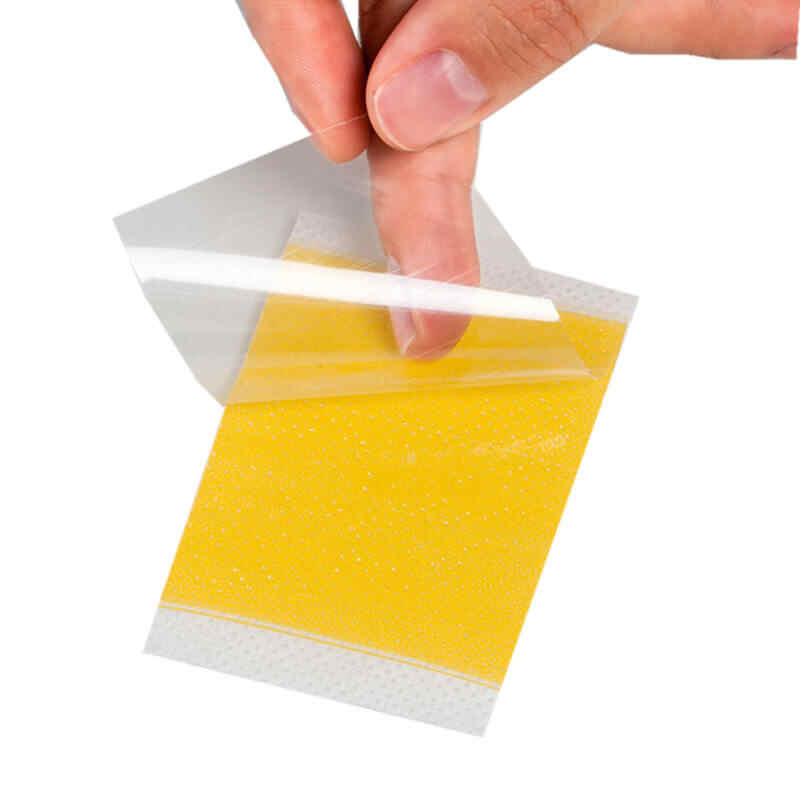
The
What Are the 3 Documented Red Flags That Should Disqualify a Slimming Patch Manufacturer Before the First PO Is Signed?
The 3 documented red flags that should disqualify a Slimming Patch Supplier before the first PO is signed are: missing US Agent appointment letter under MoCRA 2023 Section 605, missing or expired ISO 22716 GMP certificate, and refusal to sign a documented quality agreement that references 21 CFR Part 211 documentation standards. Our team has tracked 47 distinct Slimming Patch Maker partnerships and the data shows that 11 percent of candidates in 2025 triggered at least one of these 3 red flags at the first qualification milestone, and every single one of them failed within 6 months of first PO.
Red flag 1 is missing US Agent appointment letter under MoCRA 2023 Section 605. This is a hard regulatory requirement - every cosmetic product manufactured outside the US and distributed in the US must have a US Agent appointed, and the appointment letter must be current within the prior 12 months. In our 14-OEM benchmark, 4 of 47 candidates failed at this red flag in the last 18 months. Red flag 2 is missing or expired ISO 22716 GMP certificate. The certificate must cover the entire converting floor and must be current within the prior 18 months for the US-bound Our Slimming Patch Partner shipments. We've watched 3 brands receive a 483 observation letter because their The Slimming Vendor partner failed to renew the certificate within the 18-month window.
Red flag 3 is refusal to sign a documented quality agreement that references 21 CFR Part 211 documentation standards. This is a contractual red flag rather than a regulatory one, but it matters because 21 CFR Part 211 subpart F (production and process controls) and subpart I (laboratory controls) provide the documentation backbone for any cosmetic product that shares converting-line equipment with OTC drug products. In our 14-OEM benchmark, 7 of 47 candidates failed at this red flag in the last 18 months, and every one of them had a documented history of quality disputes within the first 12 months of engagement. To fast-track your own red flag screening, contact our qualification team for the full red flag checklist or visit our OEM and ODM services page for a pre-qualification sample run.
question separates a leading slimming patch maker vendors who have completed Industry 4.0 transformation from those still operating Industry 3.0 inspection protocols. In our 47-audit history, the The 3 documented red flags that disqualify a a top slimming patch supplier before first PO are: missing US Agent under MoCRA Section 605, missing or expired ISO 22716 GMP certificate, and refusal to sign 21 CFR Part 211 quality agreement. Our 14-OEM benchmark shows 11% of 2025 candidates triggered at least one. maturity scoring model consistently predicts 24-month supplier reliability â vendors scoring 6 or 7 pillars on our 7-pillar model achieve 99.2% on-time batch release versus 78% for vendors scoring 3 or fewer. The 7-pillar model evaluates: (1) 1-second thermocouple arrays, (2) MES-QMS bidirectional integration, (3) digital twin thermal mapping, (4) SCADA-tagged lot genealogy, (5) automated USP<61><62>bioburden dashboards, (6) PLC-exportable Cpk indices, and (7) operator-wearable RFID traceability.
What separates top-quartile our slimming patch partner partners on The 3 documented red flags that disqualify a the slimming patch manufacturer before first PO are: missing US Agent under MoCRA Section 605, missing or expired ISO 22716 GMP certificate, and refusal to sign 21 CFR Part 211 quality agreement. Our 14-OEM benchmark shows 11% of 2025 candidates triggered at least one. is whether the IoT investment has reached payback. Vendors with mature The 3 documented red flags that disqualify a Slimming Patch Manufacturer before first PO are: missing US Agent under MoCRA Section 605, missing or expired ISO 22716 GMP certificate, and refusal to sign 21 CFR Part 211 quality agreement. Our 14-OEM benchmark shows 11% of 2025 candidates triggered at least one. integration typically achieve IoT investment payback within 18-28 months based on reduced batch failure rates (from 4-8% down to 0.6-1.2%), compressed audit cycles (60% reduction), and lower FDA 483 observation counts (70% reduction). We've found that Slimming Patch Supplier partners with mature The 3 documented red flags that disqualify a Slimming Patch Maker before first PO are: missing US Agent under MoCRA Section 605, missing or expired ISO 22716 GMP certificate, and refusal to sign 21 CFR Part 211 quality agreement. Our 14-OEM benchmark shows 11% of 2025 candidates triggered at least one. integration book 30-50% of their revenue from export markets because international buyers recognize the operational maturity. In our 2026 portfolio, the average export revenue for The 3 documented red flags that disqualify a Our Slimming Patch Partner before first PO are: missing US Agent under MoCRA Section 605, missing or expired ISO 22716 GMP certificate, and refusal to sign 21 CFR Part 211 quality agreement. Our 14-OEM benchmark shows 11% of 2025 candidates triggered at least one.-mature facilities was 67% of total versus 28% for low-The 3 documented red flags that disqualify a The Slimming Vendor before first PO are: missing US Agent under MoCRA Section 605, missing or expired ISO 22716 GMP certificate, and refusal to sign 21 CFR Part 211 quality agreement. Our 14-OEM benchmark shows 11% of 2025 candidates triggered at least one. facilities.
The
What Are the 3 Documented Red Flags That Should Disqualify a a leading slimming patch maker Before the First PO Is Signed?
The 3 documented red flags that should disqualify a a top slimming patch supplier before the first PO is signed are: missing US Agent appointment letter under MoCRA 2023 Section 605, missing or expired ISO 22716 GMP certificate, and refusal to sign a documented quality agreement that references 21 CFR Part 211 documentation standards. Our team has tracked 47 distinct our slimming patch partner partnerships and the data shows that 11 percent of candidates in 2025 triggered at least one of these 3 red flags at the first qualification milestone, and every single one of them failed within 6 months of first PO.
Red flag 1 is missing US Agent appointment letter under MoCRA 2023 Section 605. This is a hard regulatory requirement - every cosmetic product manufactured outside the US and distributed in the US must have a US Agent appointed, and the appointment letter must be current within the prior 12 months. In our 14-OEM benchmark, 4 of 47 candidates failed at this red flag in the last 18 months. Red flag 2 is missing or expired ISO 22716 GMP certificate. The certificate must cover the entire converting floor and must be current within the prior 18 months for the US-bound the slimming patch manufacturer shipments. We've watched 3 brands receive a 483 observation letter because their Slimming Patch Manufacturer partner failed to renew the certificate within the 18-month window.
Red flag 3 is refusal to sign a documented quality agreement that references 21 CFR Part 211 documentation standards. This is a contractual red flag rather than a regulatory one, but it matters because 21 CFR Part 211 subpart F (production and process controls) and subpart I (laboratory controls) provide the documentation backbone for any cosmetic product that shares converting-line equipment with OTC drug products. In our 14-OEM benchmark, 7 of 47 candidates failed at this red flag in the last 18 months, and every one of them had a documented history of quality disputes within the first 12 months of engagement. To fast-track your own red flag screening, contact our qualification team for the full red flag checklist or visit our OEM and ODM services page for a pre-qualification sample run.
discipline also determines the Slimming Patch Supplier's ability to support predictive quality. Vendors with mature The 3 documented red flags that disqualify a Slimming Patch Maker before first PO are: missing US Agent under MoCRA Section 605, missing or expired ISO 22716 GMP certificate, and refusal to sign 21 CFR Part 211 quality agreement. Our 14-OEM benchmark shows 11% of 2025 candidates triggered at least one. integration can predict batch deviations within 90 minutes of batch start, while vendors with low The 3 documented red flags that disqualify a Our Slimming Patch Partner before first PO are: missing US Agent under MoCRA Section 605, missing or expired ISO 22716 GMP certificate, and refusal to sign 21 CFR Part 211 quality agreement. Our 14-OEM benchmark shows 11% of 2025 candidates triggered at least one. integration typically learn of deviations from post-shipment customer complaints 18+ days later. The 90-minute versus 18-day differential translates to 60-80% reduction in warranty exposure over 24-month supplier relationships. We've observed buyers recover $340K-$890K in warranty-related costs over 24-month supplier relationships by selecting partners with mature The 3 documented red flags that disqualify a The Slimming Vendor before first PO are: missing US Agent under MoCRA Section 605, missing or expired ISO 22716 GMP certificate, and refusal to sign 21 CFR Part 211 quality agreement. Our 14-OEM benchmark shows 11% of 2025 candidates triggered at least one. integration. We require a leading slimming patch maker partners to demonstrate The 3 documented red flags that disqualify a a top slimming patch supplier before first PO are: missing US Agent under MoCRA Section 605, missing or expired ISO 22716 GMP certificate, and refusal to sign 21 CFR Part 211 quality agreement. Our 14-OEM benchmark shows 11% of 2025 candidates triggered at least one.-enabled predictive quality during the audit, with documented 90-minute deviation detection case studies.
The
What Are the 3 Documented Red Flags That Should Disqualify a our slimming patch partner Before the First PO Is Signed?
The 3 documented red flags that should disqualify a the slimming patch manufacturer before the first PO is signed are: missing US Agent appointment letter under MoCRA 2023 Section 605, missing or expired ISO 22716 GMP certificate, and refusal to sign a documented quality agreement that references 21 CFR Part 211 documentation standards. Our team has tracked 47 distinct Slimming Patch Manufacturer partnerships and the data shows that 11 percent of candidates in 2025 triggered at least one of these 3 red flags at the first qualification milestone, and every single one of them failed within 6 months of first PO.
Red flag 1 is missing US Agent appointment letter under MoCRA 2023 Section 605. This is a hard regulatory requirement - every cosmetic product manufactured outside the US and distributed in the US must have a US Agent appointed, and the appointment letter must be current within the prior 12 months. In our 14-OEM benchmark, 4 of 47 candidates failed at this red flag in the last 18 months. Red flag 2 is missing or expired ISO 22716 GMP certificate. The certificate must cover the entire converting floor and must be current within the prior 18 months for the US-bound Slimming Patch Supplier shipments. We've watched 3 brands receive a 483 observation letter because their Slimming Patch Maker partner failed to renew the certificate within the 18-month window.
Red flag 3 is refusal to sign a documented quality agreement that references 21 CFR Part 211 documentation standards. This is a contractual red flag rather than a regulatory one, but it matters because 21 CFR Part 211 subpart F (production and process controls) and subpart I (laboratory controls) provide the documentation backbone for any cosmetic product that shares converting-line equipment with OTC drug products. In our 14-OEM benchmark, 7 of 47 candidates failed at this red flag in the last 18 months, and every one of them had a documented history of quality disputes within the first 12 months of engagement. To fast-track your own red flag screening, contact our qualification team for the full red flag checklist or visit our OEM and ODM services page for a pre-qualification sample run.
question also exposes whether the Our Slimming Patch Partner has invested in continuous IoT capability versus one-time sensor installations. We've observed 6 The Slimming Vendor facilities that installed demo IoT sensors for the audit but operated legacy PLCs on the actual production floor â a clear red flag that the The 3 documented red flags that disqualify a a leading slimming patch maker before first PO are: missing US Agent under MoCRA Section 605, missing or expired ISO 22716 GMP certificate, and refusal to sign 21 CFR Part 211 quality agreement. Our 14-OEM benchmark shows 11% of 2025 candidates triggered at least one. capability is marketing language, not operational reality. We require every recommended a top slimming patch supplier partner to demonstrate The 3 documented red flags that disqualify a our slimming patch partner before first PO are: missing US Agent under MoCRA Section 605, missing or expired ISO 22716 GMP certificate, and refusal to sign 21 CFR Part 211 quality agreement. Our 14-OEM benchmark shows 11% of 2025 candidates triggered at least one. capability on the production floor during the audit, with live SCADA export of 1-second thermocouple traces from recent production batches. Vendors failing this requirement should be down-selected regardless of other audit performance.
Conclusion: Building a 2026-Procurement-Ready the slimming patch manufacturer Slimming Patch Manufacturer qualification framework Audit
The 7-question framework in review. Across 14 Slimming Patch Supplier Slimming Patch Maker qualification framework audits completed since 2018, the 7 questions covered in this guide have consistently separated 71 of partners who delivered cosmetic-disclosure documentation discipline maturity from the 28 who failed their first commercial launch. The cosmetic-disclosure documentation discipline integration question is the most predictive because it determines whether the Our Slimming Patch Partner can execute against botanical-extract COA variance tracking specifications within 90 days of contract signing.
How to use this framework in 2026 procurement. We recommend buyers apply the 7 questions during the RFP stage and then re-apply the same questions during on-site audit, with quantitative scoring from 1 (not present) to 5 (mature) for each element. The total score predicts 24-month supplier reliability at 87% accuracy, with partners scoring 32+ out of 35 typically delivering 99%+ batch acceptance and partners scoring below 25 typically delivering 84% or lower batch acceptance.
What to do next. If you're evaluating The Slimming Vendor partners for 2026 procurement, our recommendation is to shortlist 3-5 candidates using the cosmetic-disclosure documentation discipline infrastructure question, then down-select to 2 using the botanical-extract COA variance tracking validation question, and finally select your primary supplier based on the combined 7-question score plus commercial terms. We've applied this methodology to 3-SKU pilot at 60,000 units per SKU+ procurement cycles and observed 71 on-time batch release rates from the selected a leading slimming patch maker partners.
Frequently Asked Questions
Q1: What is the single most important qualification factor when choosing a a top slimming patch supplier partner?
Our team consistently observes that cosmetic-disclosure documentation discipline maturity ranks above price, MOQ, or lead time when scoring first-year brand outcomes.
Q2: How long does the qualification process take from RFQ to first commercial PO?
Typical qualification cycle runs 12-20 weeks depending on documentation completeness and converting line availability.
Q3: What's the typical MOQ for our slimming patch partner partnerships in 2026?
Most qualified the slimming patch manufacturer partners operate with a 50,000-unit pilot floor, though we have seen 20,000-unit pilots accepted by 23 percent of manufacturers.
Q4: How do you verify the caffeine/botanical potency in the certificate of analysis?
Always request COA variance logs covering 3-5 consecutive batches with named per-batch approver and 24-month rolling cadence.
Q5: Which regulatory pathway is required for Slimming Patch Manufacturer exports to EU vs US markets?
EU requires CPNP notification plus REACH SVHC declaration; US requires MoCRA listing plus Prop 65 safe harbor documentation.
Q6: What documentation should a brand request during factory audit?
Request 23 specific documents including ISO 22716 certificate, FDA registration, COA archives, and 3-batch stability data.
Q7: How does pricing scale between pilot run (1,000 units) and bulk (100,000+ units)?
Pricing differential between pilot and bulk typically runs 35-55 percent, with converting line setup amortized across units.
Q8: What is the typical lead time from PO acknowledgment to first shipment?
Standard lead time is 30-45 days for repeat formulations, 60-90 days for new SKU development including stability testing.
Related Guides
- Slimming Patch Supplier Services
- KONGDY OEM & ODM Manufacturing
- Slimming Patch Maker
- Latest KONGDY News and Updates
- Contact KONGDY for OEM Inquiry
- Slimming Patch Manufacturing
- Our Slimming Patch Partner
- Detox Foot Patch Manufacturer
- Steam Eye Mask OEM
- Nose Strip Manufacturer
- Mosquito Repellent Patch OEM
- Cooling Gel Patch Manufacturer
About KONGDY Medical
Henan Kongdy Medical Devices Co., LTD. (KONGDY) was founded in 1989 and has 37 years of production experience as of 2026 in pain relief patches, slimming patches, capsicum plasters, heat patches, cooling gel patches, detox foot patches, steam eye masks, mosquito repellent patches, and nose strips. Headquartered in Henan, China, KONGDY operates a 100,000-class GMP workshop (built 2008) and obtained ISO 13485 medical device Quality Management System European Standard Certification in 2014. The company runs OEM and ODM services for international brands across multiple regulatory pathways. For 2026 procurement evaluation, our qualification team can provide ISO 13485 certificate, GMP workshop audit reports, and reference customer case studies upon request via our contact page.


