-
 KONGDY
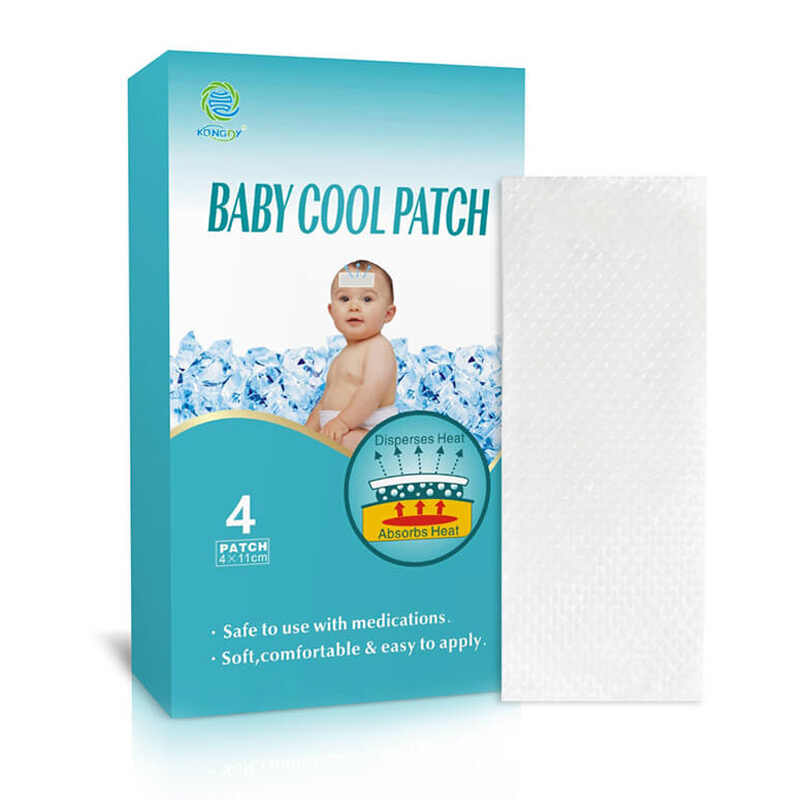
Skin-Safe and Hypoallergenic Materials in Baby Cooling Fever Patches OEM Manufacturing
In the global baby healthcare market, safety is not a selling point—it is a non-negotiable standard. Among baby care products, Baby Cooling Fever Patches are directly applied to infants’ delicate skin, making material safety, hypoallergenicity, and dermatological compatibility critical factors for brand success.
For brands seeking reliable Baby Cooling Fever Patches OEM partners, understanding how skin-safe and hypoallergenic materials are selected, tested, and manufactured is essential. A professional Baby Cooling Fever Patches Manufacturer does far more than produce cooling gel sheets—it builds trust through science-backed material choices, strict quality control, and regulatory compliance.
This article provides an in-depth, structured analysis of how skin-safe and hypoallergenic materials are used in Custom Baby Cooling Fever Patches and Private Label Baby Cooling Fever Patches, and why choosing the right Baby Cooling Fever Patches Supplier directly impacts your brand’s reputation, compliance, and long-term growth.
Why Skin Safety Is Critical in Baby Cooling Fever Patches
Infant skin is fundamentally different from adult skin. It is thinner, more permeable, and significantly more sensitive to external substances. As a result, any material used in Baby Cooling Fever Patches must meet higher safety standards than general consumer cooling products.
A qualified Baby Cooling Fever Patches OEM designs products with these vulnerabilities in mind, ensuring:
No irritation or allergic reactions
No harsh chemicals or sensitizers
Gentle adhesion without skin damage
Safe temperature regulation without chemical burns
From a branding perspective, skin safety is also a market access requirement. Retailers, distributors, and regulatory bodies increasingly demand proof of hypoallergenic testing and material transparency from every Baby Cooling Fever Patches Manufacturer.
What “Skin-Safe and Hypoallergenic” Really Means in OEM Manufacturing
In OEM manufacturing, “skin-safe” and “hypoallergenic” are not marketing buzzwords. They are technical commitments backed by raw material selection, formulation science, and clinical testing.
A professional Baby Cooling Fever Patches OEM defines skin safety through:
Dermatological compatibility: Materials tested for baby skin tolerance
Low sensitization potential: Reduced risk of redness, itching, or rashes
Non-toxic composition: No absorption of harmful substances through skin
Regulatory compliance: Alignment with international baby product standards
Only experienced Baby Cooling Fever Patches Suppliers can consistently meet these benchmarks across large-scale production.
Core Skin-Safe Materials Used in Baby Cooling Fever Patches
1. Medical-Grade Cooling Gel
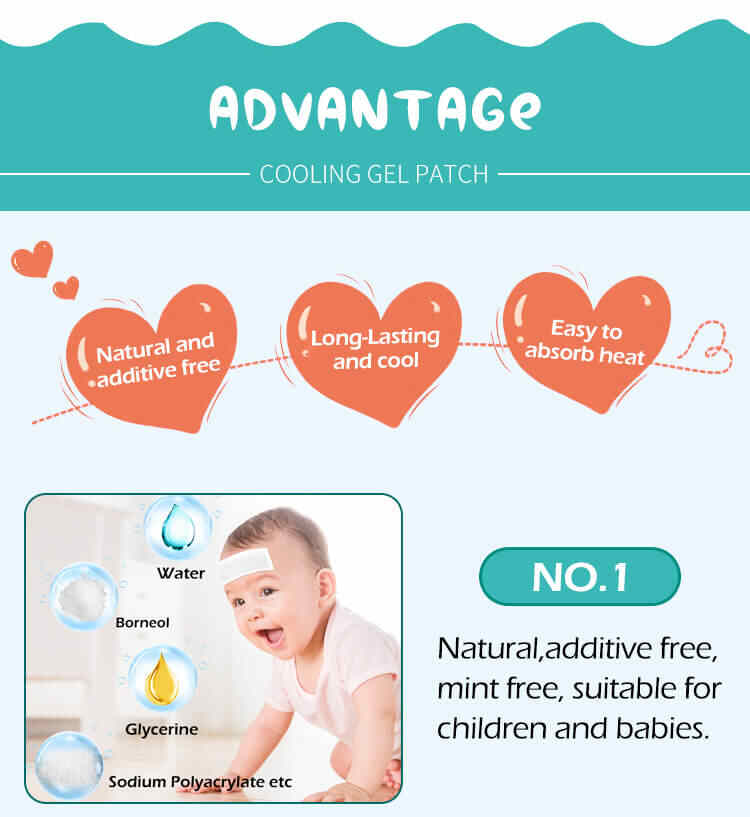
The cooling gel is the heart of any Baby Cooling Fever Patch. In baby-specific applications, OEM manufacturers avoid aggressive cooling agents and instead use physical cooling technology.
Key characteristics include:
High water content for gentle heat absorption
No menthol, camphor, or salicylates
Controlled evaporation-based cooling
Stable gel structure that prevents leakage
A certified Baby Cooling Fever Patches Manufacturer uses medical-grade polymers and purified water systems to ensure the gel remains safe even during prolonged skin contact.
2. Hypoallergenic Non-Woven Backing Materials
The backing layer prevents gel leakage while allowing breathability. For Custom Baby Cooling Fever Patches, this layer must be:
Soft and flexible
Free from latex and rubber allergens
Breathable to reduce sweat accumulation
Resistant to tearing during removal
Top-tier Baby Cooling Fever Patches OEM partners often use spunlace or hydroentangled non-woven fabrics that have passed infant skin irritation testing.
3. Gentle, Skin-Friendly Adhesives
Adhesive technology is a defining factor in baby patch safety. Poor-quality adhesives can cause redness, pain during removal, or even micro skin damage.
A reliable Baby Cooling Fever Patches Supplier uses:
Low-tack medical-grade adhesives
Latex-free and solvent-free formulations
Adhesives tested for repeated skin contact
Balanced adhesion that holds without pulling
For Private Label Baby Cooling Fever Patches, adhesive customization is often available to match different regional preferences and usage durations.
4. Protective Release Liners and Packaging Materials
Skin safety does not stop at the patch itself. Release liners and packaging materials must also be free from contaminants that could migrate into the gel.
A professional Baby Cooling Fever Patches Manufacturer ensures:
Food-grade or medical-grade release films
No plasticizer migration
Cleanroom packaging environments
Tamper-proof, hygienic sealing
These details are essential for maintaining hypoallergenic integrity throughout the supply chain.
How Baby Cooling Fever Patches OEMs Ensure Hypoallergenic Performance
Rigorous Raw Material Screening
Before production begins, every raw material is evaluated for:
Chemical composition
Allergen risk profile
Regulatory approval status
Supplier traceability
Only approved materials are allowed into the production line, ensuring consistent quality across every batch of Custom Baby Cooling Fever Patches.
Dermatological and Sensitization Testing
A qualified Baby Cooling Fever Patches OEM conducts or supports:
Skin irritation tests
Sensitization studies
Patch compatibility assessments
Stability testing under various conditions
These tests are often required by distributors and regulators before allowing Private Label Baby Cooling Fever Patches to enter the market.
Cleanroom Manufacturing Environments
Contamination is a hidden risk in baby products. Professional Baby Cooling Fever Patches Manufacturers operate in controlled environments that reduce:
Microbial contamination
Dust and particle exposure
Cross-contamination with other products
Cleanroom production is a strong signal of OEM professionalism and reliability.
Regulatory Standards Supporting Skin-Safe Baby Cooling Fever Patches
Different markets impose different compliance requirements, but a capable Baby Cooling Fever Patches OEM designs products to meet multiple standards simultaneously.
Common regulatory considerations include:
ISO quality management systems
Safety documentation and material declarations
Biocompatibility data
Labeling and usage instructions tailored for infants
Choosing a globally experienced Baby Cooling Fever Patches Supplier simplifies market entry and reduces regulatory risks for brand owners.
Customization Options Without Compromising Skin Safety
One of the biggest advantages of working with an experienced Baby Cooling Fever Patches OEM is the ability to customize products while maintaining strict safety standards.
Customization options may include:
Gel thickness and cooling duration
Patch size and shape for baby foreheads
Adhesive strength adjustments
Packaging design for private label branding
Professional OEMs ensure that Custom Baby Cooling Fever Patches remain hypoallergenic regardless of customization level.
Why Skin-Safe Materials Strengthen Brand Trust and Market Competitiveness
In the baby care market, trust is everything. Parents, retailers, and healthcare professionals expect absolute transparency and safety assurance.
By partnering with a certified Baby Cooling Fever Patches Manufacturer, brands benefit from:
Stronger consumer confidence
Reduced complaint and return rates
Easier distributor approvals
Long-term brand credibility
Hypoallergenic, skin-safe design is no longer optional—it is a competitive advantage for Private Label Baby Cooling Fever Patches.
Choosing the Right Baby Cooling Fever Patches Supplier for Skin Safety
When evaluating OEM partners, brands should look beyond pricing and focus on safety capabilities.
Key questions to ask a Baby Cooling Fever Patches Supplier include:
What skin tests are performed on materials?
Are all raw materials traceable and documented?
Is cleanroom production available?
Can safety data be provided for regulatory review?
A transparent and experienced Baby Cooling Fever Patches OEM will welcome these questions and provide detailed answers.
The Future of Hypoallergenic Materials in Baby Cooling Fever Patches
Innovation in baby healthcare materials continues to evolve. Leading Baby Cooling Fever Patches Manufacturers are investing in:
Plant-based hydrogel alternatives
Enhanced breathability materials
Eco-friendly, skin-safe packaging
Improved adhesive technologies
These advancements allow Custom Baby Cooling Fever Patches to become even safer, more comfortable, and more sustainable.
Conclusion: Skin Safety Is the Foundation of Successful Baby Cooling Fever Patches
In Baby Cooling Fever Patches OEM manufacturing, skin-safe and hypoallergenic materials are not optional features—they are foundational requirements. From gel formulation to adhesives and packaging, every detail matters.
By choosing a professional Baby Cooling Fever Patches Manufacturer with proven expertise in hypoallergenic material selection, brands can confidently launch Private Label Baby Cooling Fever Patches that meet global standards, earn parental trust, and stand out in a competitive market.
For any brand entering or expanding in baby healthcare, the right Baby Cooling Fever Patches Supplier is not just a manufacturer—but a long-term safety partner.
Frequently Asked Questions (FAQ)
Q1: Why are hypoallergenic materials essential in Baby Cooling Fever Patches OEM manufacturing?
A: Baby skin is extremely sensitive, and hypoallergenic materials minimize the risk of irritation, allergic reactions, and skin damage.
Q2: Can Custom Baby Cooling Fever Patches still be skin-safe?
A: Yes. A professional Baby Cooling Fever Patches OEM ensures all customizations comply with safety and hypoallergenic standards.
Q3: Do Private Label Baby Cooling Fever Patches require additional testing?
A: Often yes. Testing helps meet distributor, regulatory, and consumer safety expectations in different markets.
Q4: How can I verify a Baby Cooling Fever Patches Manufacturer’s safety claims?
A: Request material documentation, testing reports, and quality certifications from the Baby Cooling Fever Patches Supplier.
Q5: Are skin-safe materials more expensive?
A: While costs may be slightly higher, they significantly reduce risks, complaints, and long-term brand damage.


