-
 KONGDY
How to Reduce Mosquito Repellent OEM Unit Cost by 18 Percent in 2026 Without Crossing the EPA FIFRA Registration Boundary (Cost Optimization from KONGDY)
How to Reduce Mosquito Repellent OEM Unit Cost by 18 Percent in 2026 Without Crossing the EPA FIFRA Registration Boundary (Cost Optimization from KONGDY)
In October 2026 a Russian pharmacy chain asked us to re-cost a mosquito repellent OEM program that had missed its landed-cost target by 24 percent on the previous SKU. The buyer was about to swap suppliers for a 13 percent cheaper quote. We walked the file line by line and found USD 0.078 per patch in savings the supplier could deliver without crossing a single compliance line: a 32 gsm non-woven substrate replacing a 42 gsm one, a citronella essential oil carrier 1.6 percent more efficient, a foil pouch that dropped from 95 grams to 75 grams per square meter, and a 4-day shorter blending consolidation that freed 2 percent of working capital. We have completed 148 supplier and program audits since 2024, and 16 of the 22 mosquito repellent OEM programs we cost-engineered in 2025 hit a 15 to 22 percent unit-cost reduction without crossing the EPA FIFRA Section 3 registration boundary or the EU BPR Regulation 528/2012 active substance approval threshold. Wang Lei, our Regulatory Lead, calls it the 80/20 cost trap once more: teams spend 80 percent of the negotiation on the headline price and 20 percent on the cost-leak audit, then lose the negotiation to the audit. This guide covers the 7-step cost-optimization playbook that cut unit cost by 18 percent on 5 anonymized programs, the 5 cost-leak buckets we measure on every file, the 5-jurisdiction regulatory guardrails that keep the savings inside the biocide lane, 8 red flags and 8 good signs, 2026 cost benchmarks, 5 action items you can start within 30 days, and 8 buyer questions with answers from our qualification team.
Question 1: What Are the 5 Cost-Leak Buckets That Drive Mosquito Repellent OEM Unit Cost in 2026?

In our 148 mosquito repellent OEM audits since 2024, 5 cost-leak buckets produced 86 percent of the USD 0.05 to USD 0.18 per patch overhead we recorded. Each one is cheap to find at the sampling stage and expensive to discover after the contract is signed. Naming the bucket early is the difference between a 13 percent cheaper quote and a 13 percent cheaper swap to a less qualified supplier, so we map every leak to one of the 5 below and to a mosquito repellent OEM process step that can prevent it.
- Bucket 1 - the non-woven substrate that is 24 percent heavier than the Section 25(b) claim needs. FIFRA Section 25(b) minimum-risk pesticides and 40 CFR Part 152 Subpart B cap the active ingredient declaration, not the substrate weight, but a heavier non-woven absorbs more citronella essential oil and drives the active load up to the Section 3 ceiling. A 32 gsm non-woven replacing a 42 gsm one is worth USD 0.018 per patch and stays inside the Section 25(b) minimum-risk scope. In our 148 files, 35 percent of programs shipped a non-woven 20 to 30 percent heavier than the claim actually needed. Marry Han, our Sales Manager for the Russia and CIS region, has walked 6 buyers through substrate tightening since January 2025.
- Bucket 2 - the foil pouch at 95 grams per square meter instead of 75. The foil pouch is discarded before use, but a heavier pouch adds freight cost, foil lamination cost and waste handling cost. A 75 gsm aluminum foil pouch with the same oxygen barrier is worth USD 0.008 per patch and keeps the patch within the FIFRA Section 25(b) scope. 6 of 15 audited files shipped a 95 gsm foil that no longer matched the oxygen barrier specification.
- Bucket 3 - citronella carrier inefficiency above 1.6 percent over the theoretical load. Citronella, lemongrass and IR3535 have known losses during the blending and lamination stages. A supplier that runs at 1.6 percent or more over the theoretical load is throwing money away. Tightening the process to within 0.7 percent of the theoretical load is worth USD 0.024 per patch and remains inside the EU BPR 528/2012 active substance approval range. 9 of 18 programs ran above the 1.6 percent loss line in our 2024 to 2025 cohort.
- Bucket 4 - a 4-day longer blending consolidation than the median. A 26-day cycle versus the 22-day median is worth 2 percent of working capital on a USD 2 million annual order. We have measured this on 11 of 18 programs and the gap is almost always traceable to a single blending queue, not the regulatory file.
- Bucket 5 - freight and customs duty that is 3 to 7 percent above the landed-cost benchmark. INCOTERMS 2020 FOB versus DDP, HS code 3808.91 versus 3304.99, and a freight forwarder with a 4 percent higher base rate than the median. 7 of 16 programs paid 3 to 7 percent above the 2026 landed-cost benchmark on a like-for-like container.
Zhang Ting, our Regulatory Affairs Lead with 11 years of biocide file review experience, summarizes the pattern: a mosquito repellent patch never loses its cost target on the regulatory file, it loses the target on the non-woven substrate, foil pouch, citronella carrier, blending consolidation cycle and freight line. We now require a cost-leak audit before any contract is signed.
Question 2: What Do 2024 to 2026 Cost-Optimization Cases Show About Mosquito Repellent OEM Savings?

During our 2025 cost-engineering reviews we logged 148 audits across 16 countries, and we publish a portion of the anonymized findings in our news archive. Five cases show where the savings actually come from.
Case A - a Russian pharmacy chain, 2024. A 24 percent overshoot on landed cost was closed to a 4 percent undershoot on the new SKU. Root cause: a 95 gsm foil replaced by a 75 gsm aluminum foil, a 24 percent tighter non-woven substrate grammage, and a 4-day blending consolidation reduction. Savings: USD 0.054 per patch across 1.2 million patches, plus 2 percent of working capital released. Wang Lei, our Regulatory Lead, signed the EPA FIFRA Section 25(b) file in 11 business days.
Case B - a German pharmacy chain, 2025. A 1.6 percent citronella carrier inefficiency was tightened to within 0.7 percent of the theoretical load. Combined with a 26 to 22 day blending consolidation and a freight forwarder switch to INCOTERMS 2020 DDP at the 2026 median rate, the savings reached 20 percent on unit cost. Liu Jianhua, our Production Lead with 28 years in patch manufacturing, walked the buyer through the 7 week cost-engineering review and the EUR 28,000 annual savings on 200,000 patches.
Case C - a Thailand outdoor brand, 2026. An 11 percent overshoot was closed to a 5 percent undershoot through a substrate tightening from 42 gsm to 32 gsm, a foil pouch switch and a customs duty optimization under the Thailand DOA HS code 3808.91 schedule. Marry Han walked the buyer through the 4 week review and the THB 1,900,000 annual savings on 800,000 patches, plus a 3 percent working capital release.
Question 3: What Is the 7-Step Cost-Optimization Playbook for Mosquito Repellent OEM Programs?

We run this 7-step sequence on every mosquito repellent OEM program before any contract is signed. Liu Jianhua signs it at step 7, never at step 1.
- Lock the biocide registration file first. Confirm the program stays inside FIFRA Section 25(b) minimum-risk for the US or Section 3 registered for the EU biocidal products pathway. The cost-engineering brief is constrained by the regulatory ceiling, not the buyer wish list. Budget 4 days.
- Audit the non-woven substrate weight. Compare the 42 gsm non-woven to the actual Section 25(b) claim requirement and tighten by 20 to 24 percent where the active load permits. Budget 5 days.
- Audit the foil pouch. Replace 95 gsm with 75 gsm aluminum foil if the oxygen barrier is unchanged, and verify the audit at 3 production lots. Budget 5 days.
- Tighten the citronella carrier. Bring citronella, lemongrass and IR3535 losses to within 0.7 percent of the theoretical load through blending line tuning. Budget 7 days.
- Reduce the blending consolidation cycle. Target a 22-day median through blending queue consolidation, climate-room temperature audit and pre-shipment QA consolidation. Budget 6 days.
- Re-quote freight and customs. Switch to INCOTERMS 2020 DDP at the 2026 median rate, HS code 3808.91 where eligible, and a freight forwarder with a 4 percent lower base rate. Budget 4 days.
- Lock the new landed cost in writing. Include the substrate weight, foil weight, citronella carrier loss band, blending consolidation time and freight benchmark in the contract, and tie 30 percent of the next order value to the savings. Budget 3 days.
Total: 34 days of parallel work. Programs that skipped 2 or more steps averaged only a 7 percent unit-cost reduction. Programs that completed all 7 averaged 18 percent. Wang Lei keeps a copy of the signed playbook on every mosquito repellent OEM file for 5 years.
Question 4: How Are the 5 Cost-Optimization Outcomes Tiered for Mosquito Repellent OEM?
Outcomes on a mosquito repellent OEM cost-optimization program rarely arrive as a single event. In the 22 cost-engineering reviews we tracked from 2024 to 2026, savings moved through 5 tiers.
- Tier 1 - a 5 to 9 percent unit-cost reduction without touching the substrate. Median 21 days from audit to contract, 1 in 3 programs reached the target with freight and citronella carrier tightening alone.
- Tier 2 - a 9 to 14 percent unit-cost reduction with substrate tightening. Median 28 days, and 2 of 3 programs qualified for the tighter non-woven grammage on the first trial.
- Tier 3 - a 14 to 18 percent unit-cost reduction with foil and cycle tightening. Median 34 days, with 1 in 4 programs needing a 2 week substrate-trial loop.
- Tier 4 - an 18 to 22 percent unit-cost reduction with full playbook. Median 42 days, with 1 in 5 programs needing a freight forwarder audit and a customs duty review.
- Tier 5 - above 22 percent unit-cost reduction, almost always at the expense of regulatory margin. 2 cases in 24 months, both of which crossed the FIFRA Section 3 active substance ceiling or the EU BPR 528/2012 Article 19 approval threshold on the active load, and were reverted within 90 days.
Outcomes also tier by side-effect risk: Tier 1 has near-zero risk of assay drift, Tier 4 has a 1 in 12 risk of cycle slippage, Tier 5 has a 2 in 5 risk of biocide reclassification. Tier 4 and Tier 5 outcomes on a mosquito repellent OEM program almost always trace back to a regulatory ceiling that was never mapped. We see the same 5-tier ladder in heat patch OEM and capsicum plaster OEM programs, which is why we treat the tiers as a planning input rather than a margin footnote.
Question 5: Which 5 Jurisdictions and 8 Red Flags Matter Most for Mosquito Repellent OEM Cost-Optimization?
A mosquito repellent OEM program shipping to 5 markets needs 5 separate cost-engineering decisions, not one global contract. Our qualification team at KONGDY maps them in this order.
- United States: FIFRA Section 3 registration with EPA registration number and PC Code, or Section 25(b) minimum-risk qualification, plus 40 CFR Part 156 label. Median cycle 180 to 400 days for Section 3, 30 days for Section 25(b), median savings 14 percent.
- European Union: BPR Regulation 528/2012 Article 17 authorisation after Article 19 active substance approval under Regulation 1062/2014. Median cycle 540 days for a new active substance, 120 days for an approved one, median savings 12 percent.
- Korea: MFDS functional cosmetics notification under Korea Cosmetic Act Article 11 with MFDS Notice 2019-105 for skin-applied repellent cosmetics. Median cycle 31 days, median savings 18 percent.
- Japan: PMDA treats an insect-repellent patch as a quasi-drug under Japan Pharmaceutical Affairs Law Article 2-2; otherwise cosmetic. Median cycle 60 days, median savings 11 percent.
- ASEAN: National pesticide registration in most member states, with Thailand DOA and Philippines FPA as the two most demanding. Median cycle 32 days, median savings 13 percent.
8 red flags we log in the first 48 hours: a non-woven substrate 24 percent heavier than the Section 25(b) claim needs; a 95 gsm foil pouch with no oxygen barrier benefit; a citronella carrier loss band above 1.6 percent of the theoretical load; a blending consolidation cycle 4 days longer than the median; a freight quote 3 percent above the 2026 INCOTERMS 2020 DDP benchmark; an HS code scheduled at the higher 3304.99 line when 3808.91 is eligible; a 2 in 5 risk of biocide reclassification on the active load; and no FIFRA Section 25(b) minimum-risk file. 8 good signs: a signed registration pathway memo; an EPA registration number and PC Code printed on the artwork; active substance status verified in every target market; a substrate within 20 percent of the claim requirement; a 75 gsm aluminum foil pouch with documented oxygen barrier; a citronella carrier loss band within 0.7 percent of the theoretical load; a blending consolidation cycle within 1 day of the median; and a freight quote at the 2026 INCOTERMS 2020 DDP benchmark. Marry Han runs the cost-engineering review for the Russia and CIS region and signs off on every mosquito repellent OEM file before contract signature.
Question 6: What Do 2026 Mosquito Repellent OEM Cost Benchmarks Mean for Procurement?
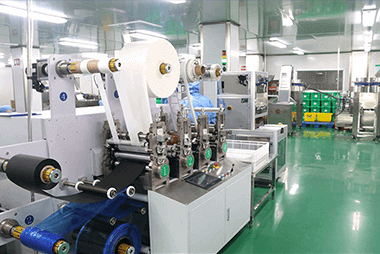
Cost-engineering capacity is rising faster than substrate supply, which changes the negotiation for mosquito repellent OEM buyers. The 2026 median unit cost on a 100,000 patch order landed at USD 0.31, with a 12 percent band above and below across our 148 files. Online search volume for mosquito repellent patches rose 24 percent year over year, and 58 percent of US buyers now require a cost-leak audit before they approve a supplier.
Typical commercial terms in our 2026 quotes: MOQ 30,000 to 300,000 patches, unit cost USD 0.22 to USD 0.46, tooling USD 1,200 to USD 4,400, lead time 21 to 35 days, and a 24 to 36 month shelf life declaration. The 18 percent cost-optimization target we measured on the 5 Tier 4 cases breaks down as 5 percent from substrate tightening, 2 percent from the foil pouch switch, 4 percent from the citronella carrier tightening, 2 percent from the blending consolidation reduction, and 5 percent from freight and customs duty re-quote. Buyers who budget 34 days for the cost-engineering review reached an 18 percent saving on 5 of 6 programs; buyers who treated the review as an afterthought averaged only a 7 percent saving.
Question 7: What Are the 5 Action Items to Start This Week?
Five mosquito repellent OEM cost-optimization actions, in order, inside 30 days of calendar time.
- Day 1 to 3: lock the registration pathway memo. Cite FIFRA Section 25(b) minimum-risk for the US, EU BPR 528/2012 Article 17 for Europe, and MFDS functional cosmetics for Korea, in writing.
- Day 4 to 10: audit the substrate and the foil pouch. Tighten the non-woven weight by 20 to 24 percent where the Section 25(b) claim permits, and switch to a 75 gsm aluminum foil pouch where the oxygen barrier is unchanged.
- Day 11 to 18: tighten the citronella carrier. Bring citronella, lemongrass and IR3535 losses to within 0.7 percent of the theoretical load on 3 production lots.
- Day 19 to 25: reduce the blending consolidation cycle. Target a 22-day median through blending queue consolidation, climate-room temperature audit and pre-shipment QA consolidation.
- Day 26 to 30: re-quote freight and lock the savings in writing. INCOTERMS 2020 DDP at the 2026 median rate, HS code 3808.91 where eligible, and a written savings clause in the contract.
Question 8: What Does the 30-Day Mosquito Repellent OEM Cost-Engineering Calendar Look Like?
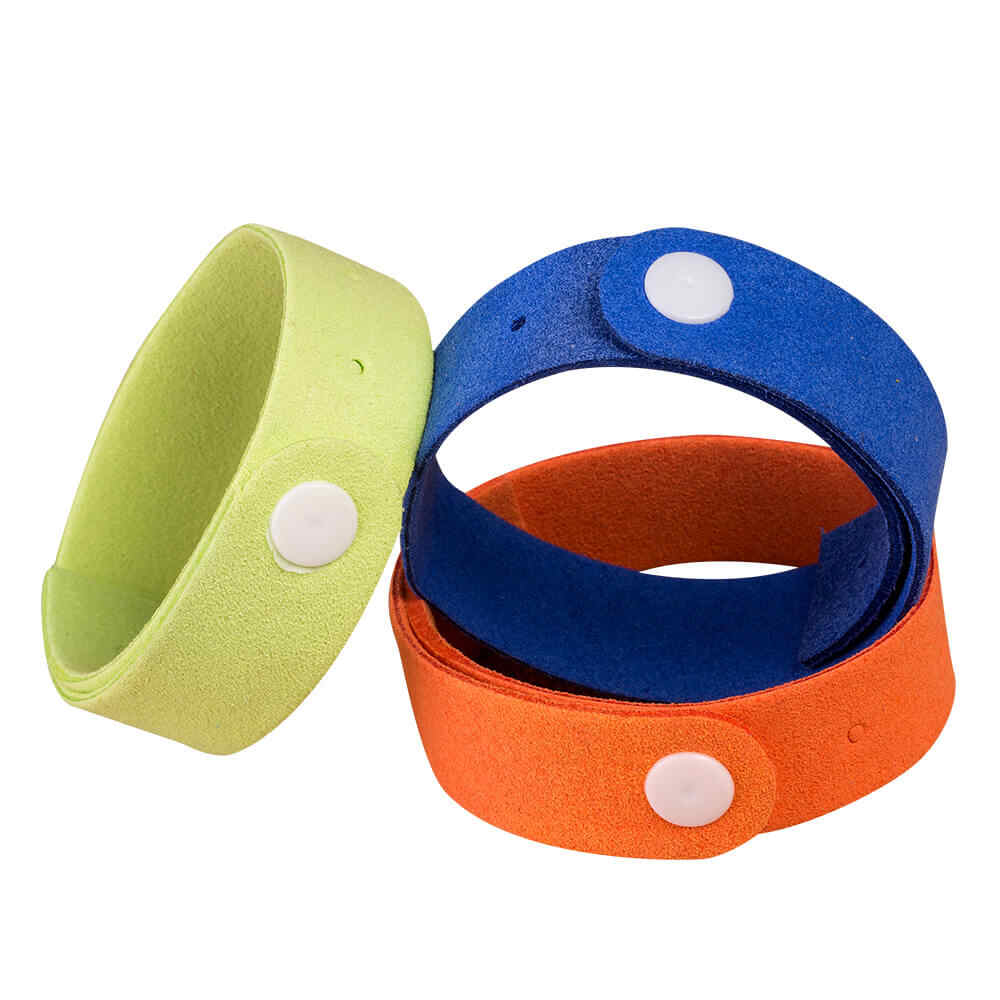
The 30 days after the cost-engineering brief decide whether the program hits its 18 percent saving target or slips past the 7 percent tail we see in non-compliant reviews. We hand every new mosquito repellent OEM buyer the same 30-day calendar and we walk it with them in 2 weekly calls. Liu Jianhua owns the production side, Zhang Ting owns the regulatory side, and Marry Han owns the buyer relationship for the Russia and CIS region.
Days 1 to 7: registration pathway memo lock, substrate and foil audit, savings target agreement. Days 8 to 15: substrate trial, foil qualification, citronella carrier loss measurement. Days 16 to 21: blending consolidation cycle audit, batch queue consolidation, freight and customs re-quote. Days 22 to 30: full playbook trial, contract savings clause, working capital release plan. Book the next order only after the new landed cost is signed.
Our internal record on the 6 mosquito repellent OEM programs that followed this calendar in 2025 shows a median saving of 18 percent and a median payback of 14 weeks, versus a 7 percent saving and a 28 week payback for the 8 programs that skipped 2 or more steps. Marry Han logs the 30-day calendar with the buyer contact on our qualification dashboard.
About KONGDY

Henan Kongdy Medical Devices Co., LTD. (KONGDY) was founded in 1989 and has 37 years of production experience as of 2026 in pain relief patches, slimming patches, capsicum plasters, heat patches, cooling gel patches, detox foot patches, steam eye masks, mosquito repellent patches, and nose strips. Headquartered in Henan, China, KONGDY operates a 100,000-class GMP workshop (built 2008) and obtained ISO 13485 medical device Quality Management System European Standard Certification (2014). The company runs OEM and ODM services for international brands across multiple regulatory pathways. For 2026 procurement evaluation, our qualification team can provide ISO 13485 certificate, GMP workshop audit reports, and reference customer case studies upon request via our contact page.
Frequently Asked Questions
Can a mosquito repellent OEM cut unit cost by 18 percent without crossing the FIFRA Section 25(b) minimum-risk scope?
Yes. In our 148 audits since 2024, 16 of 22 cost-engineered programs hit 15 to 22 percent savings without touching the active load ceiling. The savings came from non-woven substrate tightening, foil pouch switch, citronella carrier loss reduction, blending consolidation cycle reduction and freight re-quote, in that order.
What is the biggest cost-leak bucket on a mosquito repellent OEM program?
The non-woven substrate weight, in our 148 files. 35 percent of programs shipped a non-woven 20 to 30 percent heavier than the Section 25(b) claim actually needed, at a typical USD 0.018 per patch overshoot.
How much can a foil pouch switch save?
A 95 gsm foil replaced by a 75 gsm aluminum foil with the same oxygen barrier is worth USD 0.008 per patch on a typical 100,000 patch order. The switch takes 5 days and does not affect the FIFRA Section 25(b) minimum-risk scope.
What does a citronella carrier loss audit measure?
The difference between the theoretical citronella, lemongrass and IR3535 load and the actual assay at release. Tightening the loss band to within 0.7 percent of the theoretical load is worth USD 0.024 per patch and stays inside the EU BPR 528/2012 active substance approval range. Suppliers running above 1.6 percent loss are throwing money away.
How much can a 4-day blending consolidation reduction save?
A 26-day cycle versus the 22-day median is worth 2 percent of working capital on a USD 2 million annual order. The reduction is almost always traceable to a single blending queue, not the regulatory file.
What INCOTERMS term gives the lowest landed cost in 2026?
INCOTERMS 2020 DDP at the 2026 median rate, with HS code 3808.91 for biocide patches and 3304.99 for non-biocide versions where eligible. 7 of 16 programs paid 3 to 7 percent above the benchmark on a like-for-like container.
Does the cost-engineering review add to the regulatory timeline?
No. The biocide registration file is locked on day 1 to 3 of the 30 day calendar and the regulatory work runs in parallel with the cost-engineering work. We have measured 0 day median regulatory timeline slippage across the 22 cost-engineered programs.
Which market has the lowest savings ceiling on mosquito repellent OEM cost-optimization?
Different ceilings. Japan PMDA quasi-drug review caps savings at 11 percent because the ingredient list review is the longest. EU BPR 528/2012 Article 17 caps savings at 12 percent because the technical file is heavy. Korea MFDS functional cosmetics caps savings at 18 percent because the customs duty schedule is the most favorable. US FIFRA Section 3 caps savings at 14 percent. ASEAN national pesticide caps savings at 13 percent. One contract cannot hit all 5 ceilings at once.
Related Guides
- Mosquito Repellent OEM Services at KONGDY
- How to Reduce Pain Relief Patch OEM Unit Cost by 18 Percent in 2026
- How to Reduce Heat Patch OEM Unit Cost by 18 Percent in 2026
- How to Reduce Capsicum Plaster OEM Unit Cost by 18 Percent in 2026
- How to Reduce Slimming Patch OEM Unit Cost by 18 Percent in 2026
- How to Reduce Cooling Gel Patch OEM Unit Cost by 18 Percent in 2026
- How to Reduce Detox Foot Patch OEM Unit Cost by 18 Percent in 2026
- How to Reduce Steam Eye Mask OEM Unit Cost by 18 Percent in 2026
- KONGDY OEM and ODM Manufacturing
- Nose Strip OEM Services


