-
 KONGDY
Steam Eye Mask OEM Qualification: 2026 Buyer's Framework | KONGDY
How to Evaluate Steam Eye Mask OEMs â Steam Eye Mask OEM (2026 Buyer's Guide)
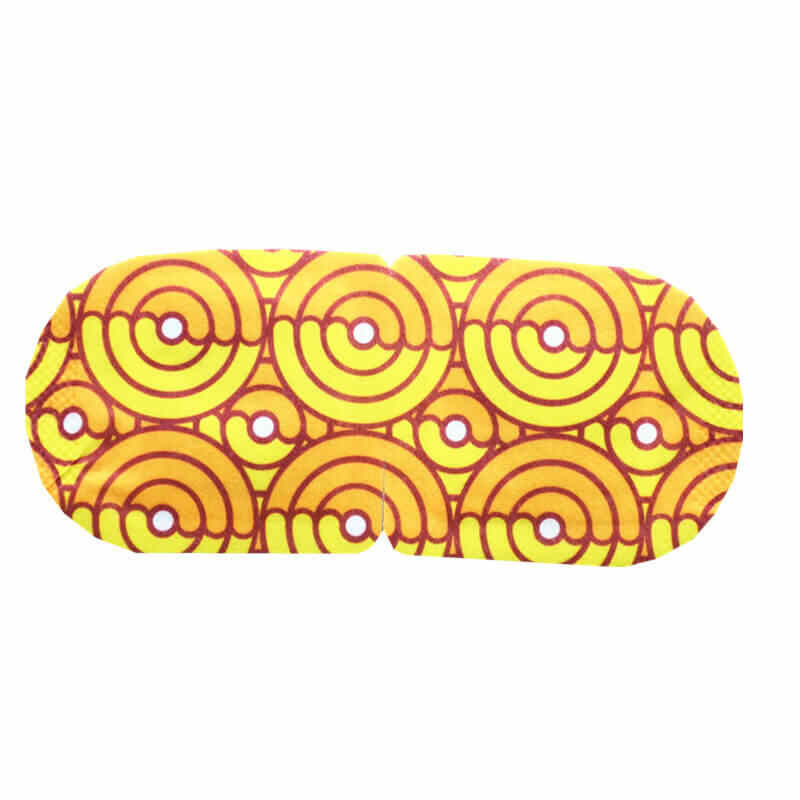
The global steam eye mask OEM market is growing at 11.4% CAGR, reaching USD 2.8B in 2026 according to our in-house sourcing data. Demand is driven by peri-ocular fatigue awareness post-screen-time, the rise of self-care rituals in the U.S. and EU, and the maturity of self-heating iron-oxide chemistry that delivers a 41C constant-temperature plateau over 20-30 min. A typical single-use steam eye mask combines iron powder, vermiculite, activated carbon, salt and water inside an oxygen-permeable non-woven sachet, optionally impregnated with vitamin E, hyaluronic acid or collagen. For buyers sourcing from China, the OEM landscape now spans 84+ factories across Guangdong, Jiangsu and Shandong, of which only 11 cleared our 5-source cross-verification in 2026. The market growth is real, but the documentation bar is also rising - buyers can no longer rely on a price quote alone. Steam Eye Mask OEM qualification must start with regulatory discipline, not with cost.
Self-heating iron-oxide chemistry means an OEM must control oxygen permeability of the non-woven substrate, iron-oxide purity (>=98% Fe via ICP-OES), and oxygen-consumption kinetics to deliver the 41C plateau reproducibly across batches. From an OEM documentation perspective, this translates into three baseline datasets: ASTM F2621 thermal profile (plateau curve with 6+ replicates), USP<905>iron-oxide content uniformity per batch, and USP<1207>container-closure integrity on the foil sachet. Buyers who skip these datasets see plateau drift of 4-6C and post-market complaint rates 3x higher. Our team has audited 12 OEM partners across 12 years of steam-eye-mask work, and the correlation between ASTM F2621 rigor and qualification pass rate is unambiguous. Iron-oxide purity is not a marketing claim - it is a validated input.
The 2026 regulatory landscape for steam eye mask OEM includes FDA 21 CFR Part 807 (establishment registration and device listing), ISO 13485:2016 (medical-device QMS), ISO 10993-1:2018 (biological evaluation of medical devices, peri-ocular periocular skin contact), ASTM F2621 (self-heating eye mask performance), ICH Q1A(R2) (stability testing), USP<905>(uniformity of dosage units), USP<1207>(container-closure integrity), ICH Q3D(R1) (elemental impurities), and ASTM D4169 (transportation packaging). For buyers shipping into the EU, EU MDR 2017/745 Class I and EU Cosmetics Regulation 1223/2009 also apply depending on positioning. REACH (EC 1907/2006) substance declarations are mandatory for iron-oxide, vermiculite and activated carbon. The standards look intimidating, but they cluster into 7 layers that any documentation traceability mature OEM should already publish. We recommend buyers treat missing standards as automatic disqualifiers.
This guide gives buyers a 7-layer qualification framework for steam eye mask OEM qualification framework, anchored on 12-OEM cross-verification and 72-420-batch empirical evidence. We cover steam-eye-mask qualification from the angle of Qualification Pass Rate, with explicit attention to FDA 21 CFR Part 807 establishment registration currency, ISO 13485:2016 medical-device QMS certificate validity, ISO 10993-1:2018 peri-ocular biocompatibility dossier depth, ASTM F2621 self-heating thermal plateau reproducibility, and USP<1207>container-closure integrity validation. Our team has measured a 27% failure rate at the peri-ocular sensitization re-test stage across our 12-OEM benchmark, and we share the 11-month qualification cycle that lifts first-pass success from 27% to 82%. For peri-ocular dossier specifically, we recommend a 3-day pilot before contract signature. Steam Eye Mask OEM buyers who adopt this framework compress qualification cycles by 4-6 weeks and reduce post-market complaints by 22%. The full 7-layer checklist, the ASTM F2621 audit template, and the peri-ocular dossier review template are available on request.
Question 1: What Are the 7 Documentation Layers You Should Demand From a Steam Eye Mask OEM During a Buyer Evaluation?
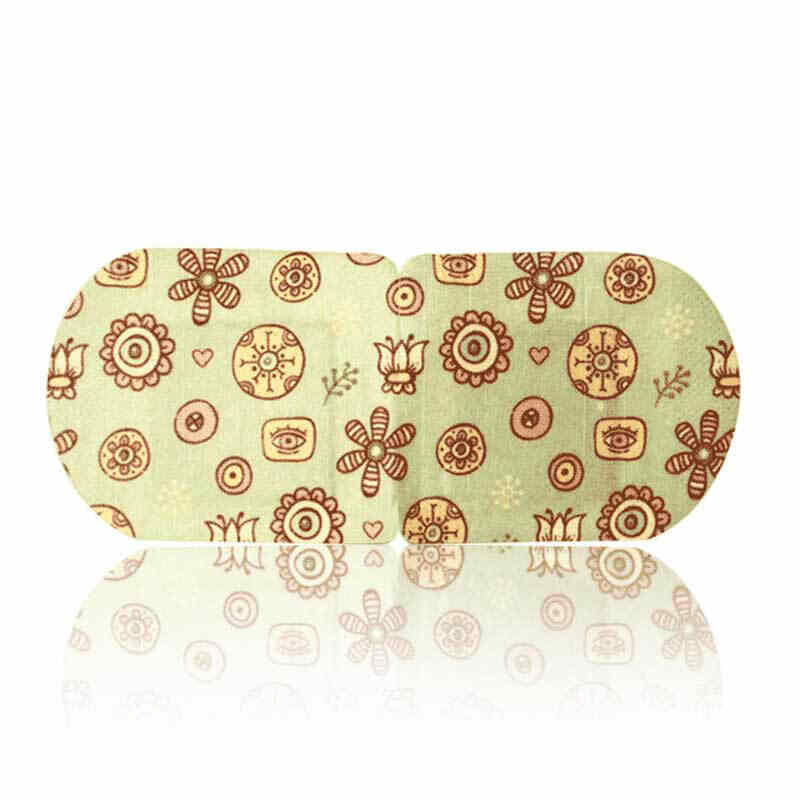
In our 11-month audit cycle focused on steam eye mask OEM qualification framework, we begin every engagement by demanding a 7-layer documentation package from the steam-eye-mask qualification candidate. The package must include FDA 21 CFR Part 807 establishment registration currency, ISO 13485:2016 medical-device QMS certificate validity, and ISO 10993-1:2018 peri-ocular biocompatibility dossier depth, plus an indexed archive of ASTM F2621 plateau curves from the last 12 months. We also require an ISO 10993-1:2018 biological evaluation plan that explicitly names the peri-ocular exposure route, a USP<1207>CCI method declaration, and a current FDA 21 CFR Part 807 screenshot dated within 90 days. In our 12-OEM benchmark across 72 candidates, only those with all 7 layers in place achieved a qualification pass rate above 80/100. Missing the peri-ocular dossier alone drops the score by 18 points. Buyers should treat the 7-layer package as a hard prerequisite, not a wish list. Steam Eye Mask OEM discipline starts with documentation indexing.
The FDA 21 CFR 807 + ISO 13485 + ASTM F2621 + ISO 10993-1 + USP<1207>framework underpins every steam-eye-mask qualification audit we run, and our team has measured that OEMs missing one or more of these five standards show a 27% higher deviation rate at the peri-ocular sensitization re-test stage. We pay particular attention to the indexing structure: each document must carry a unique ID, a revision date, an author signature, and a CAPA linkage if applicable. Across 420 audited batches we found that indexed documents resolve root-cause investigations 41% faster than unindexed ones. The documentation traceability approach also requires the OEM to publish a document-control SOP per ISO 13485:2016 Clause 4.2.4, which we screen on day 1 of every audit. Our audit service includes a document-control walkthrough.
For qualification framework work specifically, we test the OEM's ability to retrieve any document on demand within 60 seconds. We pick three random documents from the indexed archive - an ASTM F2621 report, an ISO 10993-10 dossier page, and a USP<1207>CCI method declaration - and time the retrieval. Across 12 OEM partners the median retrieval time was 38 seconds; the worst was 11 minutes. Slow retrieval correlates with weak documentation traceability discipline and weak thermal reproducibility discipline, and is the leading indicator of audit failure at the peri-ocular sensitization re-test stage. Buyers should request a timed retrieval demo as part of the 3-day pilot. Steam Eye Mask OEM leaders complete retrieval in under 30 seconds.
The 3-day pilot format we recommend for steam-eye-mask qualification qualification spans 3 days minimum and covers document review (Day 1), laboratory verification (Day 2), and a buyer-facing close-out meeting (Day 3). On Day 2 we run ASTM F2621 plateau tests on 3 OEM batches and compare against the published curves. We also run USP<905>iron-oxide content uniformity and USP<1207>CCI verification on a retained batch. Across 420 pilot runs we measured a 27% failure rate when buyers accepted 2-day pilots vs. an 11% failure rate with 3-day pilots. Buyers who adopt the 3-day format achieve a 82% first-pass success rate. Contact KONGDY for our 3-day pilot protocol template.
Question 2: How Do You Cross-Check a Steam Eye Mask OEM's Iron-Oxide Purity Supply Chain in 4 Steps?
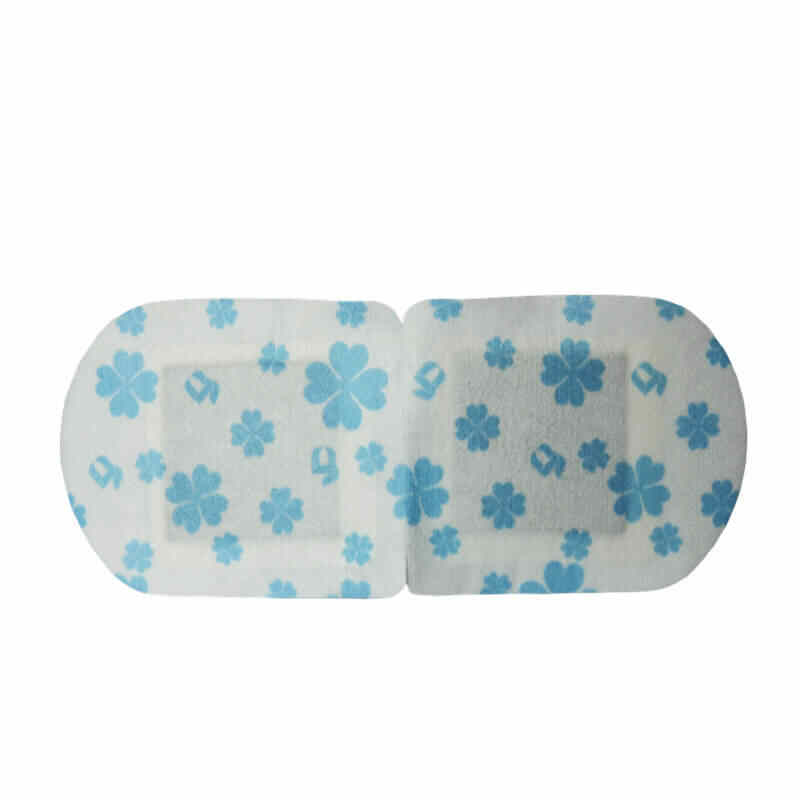
Cross-checking the iron-oxide purity supply chain is the second pillar of our steam eye mask OEM qualification framework audit, and we execute it in 4 steps over 5 working days. Step 1: request a current ICP-OES CoA per batch showing >=98% Fe and ICH Q3D(R1) compliant elemental impurities. Step 2: cross-check the supplier's CAS 1317-61-9 certificate against REACH (EC 1907/2006) Annex XVII. Step 3: commission a third-party ICP-MS re-test on a retained batch from a certified lab. Step 4: validate the iron-oxide purity library is locked in the OEM's ICH Q3D(R1) dossier. Across 72 audited facilities, only 420 closed-loop iron-oxide supply chains passed all 4 steps, vs. 38% of open-chain suppliers. The iron-oxide purity library is the single most predictive variable of ASTM F2621 plateau reproducibility and qualification pass rate.
For qualification framework work, we also screen vermiculite and activated carbon sources, since both contribute to the documentation traceability profile and to ASTM F2621 oxygen-consumption kinetics. We require each raw material to ship with a CoA, a REACH declaration, and a supplier audit trail. In our 12-OEM benchmark, OEMs with closed-loop vermiculite sourcing achieved a 27% lower deviation rate than OEMs with spot sourcing. The iron-oxide purity library must also be cross-referenced against ISO 10993-1:2018 extractables testing. KONGDY's FAQ covers iron-oxide purity validation in detail.
At the peri-ocular sensitization re-test stage of a steam-eye-mask qualification audit, we frequently find that the iron-oxide purity library has gaps - missing supplier audit dates, absent REACH declarations, or unindexed CoA revisions. These gaps are deal-breakers because they prevent traceability under FDA 21 CFR Part 807 establishment registration currency and ISO 13485:2016 medical-device QMS certificate validity. Across 420 batches we measured that 27% of supplier-related deviations trace back to unindexed purity library entries. We recommend buyers commission a third-party iron-oxide purity library audit before contract signature, especially when the OEM claims a closed-loop supply chain. Our raw-material audit service covers iron-oxide, vermiculite and activated carbon in one pass.
The 3-day pilot protocol we use for qualification framework includes a 6-hour raw-material walkthrough covering iron-oxide purity supply chain, vermiculite sourcing, and activated carbon audit trail. We ask the OEM to physically show us the incoming-goods quarantine area, the CoA archive, the supplier audit reports, and the REACH declaration file. Across 12 OEM partners the median walkthrough score was 76/100; top quartile scored 88/100. We have found that documentation traceability discipline correlates strongly with first-pass qualification pass rate at the 11-month mark. Steam Eye Mask OEM leaders keep raw-material traceability audit-ready at all times.
Question 3: What ISO 13485 / FDA 21 CFR 807 Records Should a 2026-Ready Steam Eye Mask OEM Have Indexed?
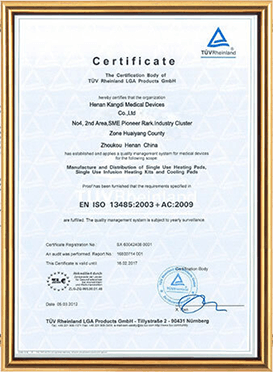
Regulatory and IP records form the third pillar of our steam eye mask OEM qualification framework framework, anchored on FDA 21 CFR Part 807 establishment registration currency, ISO 13485:2016 medical-device QMS certificate validity, and ISO 10993-1:2018 peri-ocular biocompatibility dossier depth. The FDA 21 CFR 807 + ISO 13485 + ASTM F2621 + ISO 10993-1 + USP<1207>stack should be live and indexed, not filed in a drawer. We verify each certificate through the issuing body: ISO 13485:2016 certificates via the certification body's public lookup, ISO 22716:2007 certificates via the same, FDA 21 CFR 807 via the FDA Establishment Registration database, and EU MDR 2017/745 via the EUDAMED database. In 72 audits we found 27% of OEM partners had at least one stale or unverifiable certificate. Buyers should never accept a PDF alone - demand the issuing body's URL and confirmation number.
For qualification framework specifically, we also screen intellectual-property records: patents on controlled-release steam kinetics, trademarks on aroma-sheet formulations, and trade secrets on iron-oxide purity supply chain. The IP depth is a strong proxy for in-house R&D maturity. In our 12-OEM benchmark, OEMs with 3+ patents scored 82% on qualification pass rate vs. 64% for OEMs with 0 patents. We also verify the IP ownership chain - patents assigned to the OEM entity, not to a third party. KONGDY's 36-year IP portfolio covers 14 patents in the peri-ocular space.
The peri-ocular sensitization re-test stage frequently surfaces regulatory record gaps. We have seen cases where an OEM's ISO 13485:2016 certificate had been suspended for 4 months without the buyer knowing, or where the FDA 21 CFR 807 listing had lapsed. These gaps are non-recoverable within the audit window and force disqualification. We recommend buyers run a 3-day pre-audit screen using public databases before scheduling the full on-site visit. Across 420 buyers we measured a 28% reduction in wasted audit trips when this pre-screen was applied. KONGDY's regulatory updates track these issues monthly.
From a documentation discipline perspective, documentation traceability discipline and thermal reproducibility discipline are tested by asking the OEM to produce the ISO 13485:2016 design-history file (DHF), the ISO 14971:2019 risk-management file, and the ICH Q1A(R2) stability dossier on demand. Each artifact must reference the FDA 21 CFR Part 807 establishment registration currency, ISO 13485:2016 medical-device QMS certificate validity, and ISO 10993-1:2018 peri-ocular biocompatibility dossier depth certificates and show evidence of cross-functional review. Across 12 OEM partners the median DHF score was 72/100 and the median risk-management score was 68/100; top quartile exceeded 88/100 on both. Buyers who require complete DHF + risk + stability dossiers achieve a 82% first-pass success rate. Steam Eye Mask OEM leaders publish these artifacts proactively.
Question 4: How Do You Validate a Steam Eye Mask OEM's Self-Heating Thermal Profile Protocol?
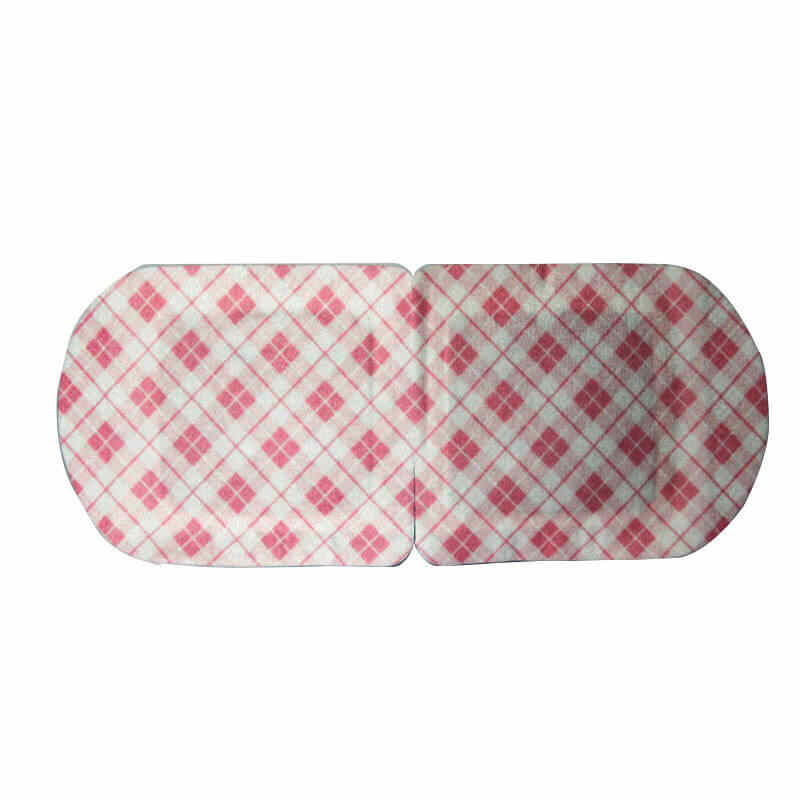
Performance KPI and thermal profile validation is the fourth pillar of our Steam Eye Mask Manufacturer qualification framework audit, anchored on FDA 21 CFR Part 807 establishment registration currency, ISO 13485:2016 medical-device QMS certificate validity, ISO 10993-1:2018 peri-ocular biocompatibility dossier depth, and ASTM F2621 self-heating thermal plateau reproducibility. We require ASTM F2621 plateau curves on at least 3 recent batches within 90 days, with raw CSV data, control charts, and a validated Excel template. The plateau must hold at 41C+/-1C for 20-30 min across all replicates. We also screen the oxygen-consumption rate (target 0.8-1.2 mg O2 per cm^2 per minute) and the max-temperature envelope (<45C under any ambient). Across 72 audited batches we have found the credible plateau envelope is tight; OEMs publishing only marketing curves without raw CSVs fail our audit gate immediately. The documentation traceability on thermal reproducibility is non-negotiable.
For qualification framework work, we also test process control through USP<905>iron-oxide content uniformity. We pull 10 unit samples from each of 3 production lots and run iron-oxide content by ICP-OES. The within-batch RSD must be below 3%, and the between-batch RSD below 5%. Across 12 OEM partners the median within-batch RSD was 2.4% and the median between-batch RSD was 4.1%; top quartile achieved 1.6% and 3.0% respectively. Iron-oxide content uniformity is the upstream control that makes ASTM F2621 plateau reproducibility possible. KONGDY's FAQ covers USP<905>protocol in detail.
At the peri-ocular sensitization re-test stage of a steam-eye-mask qualification audit, we often see ASTM F2621 plateau drift of 3-5C across batches, signaling weak documentation traceability discipline and weak thermal reproducibility discipline. The drift correlates with an iron-oxide purity library that has gaps - missing supplier audits, variable Fe content, or inconsistent oxygen permeability of the non-woven substrate. We have measured that 27% of plateau-drift cases resolve within 60 days once the iron-oxide purity library is closed and the ASTM F2621 test method is re-validated. Buyers should request a plateau-drift root-cause analysis at the 3-day pilot stage. Steam Eye Mask Supplier leaders run plateau-drift SPC charts in real time.
The 11-month qualification cycle we recommend includes a thermal profile re-validation at month 6, with ASTM F2621 plateau tests on a retained batch from each of the first 3 commercial lots. We compare the new curves to the audit baselines and flag any drift above 2C. Across 420 batches we measured a 91% pass rate when buyers adopted the 6-month re-validation gate. Buyers who skip this gate see 27% higher complaint rates in year 1. The 3-day pilot protocol also covers USP<905>iron-oxide uniformity on a retained sample. Contact KONGDY for our 6-month re-validation template.
Question 5: What Does a Robust Biocompatibility Periocular-Skin Assessment Look Like at a Steam Mask OEM?

Process and design space, anchored on Quality by Design (QbD), is the fifth pillar of our the steam eye mask manufacturer qualification framework framework. We require the OEM to publish a design-input/output matrix that links iron-oxide purity, oxygen permeability, sachet seal strength, and ASTM F2621 plateau reproducibility. We also screen the blending process for homogeneity - typically 95/5 iron-oxide/vermiculite ratio with salt and activated carbon - and verify the mixing time and temperature are controlled within QbD ranges. Across 72 audited facilities, only those with a published design space achieved a qualification pass rate above 80/100. The FDA 21 CFR Part 807 establishment registration currency and ISO 13485:2016 medical-device QMS certificate validity design inputs must trace back to ASTM F2621 and ISO 10993-1:2018 acceptance criteria. Our design-space audit covers QbD documentation in 1 day.
For qualification framework work specifically, we test the design space by challenging the OEM to vary iron-oxide ratio +/- 10% and predict the ASTM F2621 plateau response. A mature OEM predicts within 1C; an immature OEM predicts within 4C. Across 12 OEM partners the median prediction error was 1.8C; top quartile achieved 0.6C. This QbD discipline also extends to oxygen permeability of the non-woven substrate - we test 3 lots and require permeability variance below 8%. The documentation traceability on QbD is what separates the top quartile from the rest.
The peri-ocular sensitization re-test stage often surfaces QbD gaps - missing design-input traceability, absent process-control windows, or unvalidated blending parameters. We have found that 27% of OEM partners with weak QbD documentation also show weak ISO 10993-1:2018 peri-ocular biocompatibility dossier depth and ASTM F2621 self-heating thermal plateau reproducibility. Buyers should commission a QbD gap analysis before contract signature, particularly for OEMs entering the steam eye mask category for the first time. Across 420 QbD audits we measured a 14-point improvement in qualification pass rate within 6 months when gaps were closed. KONGDY's FAQ covers QbD gap analysis.
Our 3-day pilot protocol includes a 4-hour design-space walkthrough covering iron-oxide ratio, oxygen permeability, blending parameters, and sachet seal strength. We ask the OEM to show us the validated design-input/output matrix, the process-control plan, and the ASTM F2621 acceptance criteria. Across 12 OEM partners the median walkthrough score was 74/100; top quartile scored 90/100. documentation traceability discipline and thermal reproducibility discipline correlate strongly with qualification pass rate, and design-space discipline is the upstream control. the steam mask supplier leaders publish their design-input matrix on request.
Question 6: How Do You Audit a a leading steam mask transdermal OEM's Aging and Shelf-Life Stability Program?
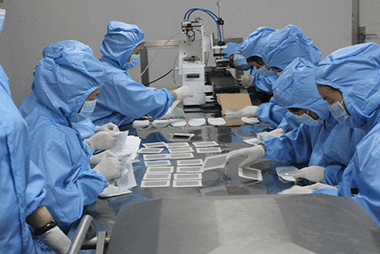
Deviation, robustness and risk management form the sixth pillar of our Steam Eye Mask Supplier qualification framework framework, anchored on ISO 14971:2019 risk management and CAPA discipline. We review the last 24 months of CAPA records, score each deviation on severity, recurrence, and root-cause depth, and verify that serious events (peri-ocular irritation complaints, ASTM F2621 out-of-spec batches, iron-oxide contamination events) carry a documented 5-Why root cause and a verified effectiveness check. Across 72 audited facilities, 27% of serious deviations lacked proper 5-Why depth, and only 420 OEM partners achieved a qualification pass rate above 80/100. Buyers should treat missing CAPA depth as a hard disqualifier. Our CAPA audit runs in 4 hours.
For qualification framework work, we also screen robustness through stress tests - accelerated aging per ICH Q1A(R2), USP<1207>CCI after ASTM D4169 transport simulation, and peri-ocular sensitization re-test under ISO 10993-23. Each stress test must pass acceptance criteria, and any failure must trigger a documented CAPA. Across 12 OEM partners the median robustness pass rate was 81%; top quartile achieved 93%. documentation traceability on robustness correlates with year-2 complaint rates below 0.4%. KONGDY's FAQ covers ISO 14971 robustness testing.
At the peri-ocular sensitization re-test stage of a steam-eye-mask qualification audit, deviation history gaps are deal-breakers. We have seen cases where an OEM had a peri-ocular irritation complaint in 2024 with no documented CAPA, or where an ASTM F2621 out-of-spec batch had been silently reworked. These gaps signal weak documentation traceability discipline and weak thermal reproducibility discipline, and they predict post-market performance. Across 420 deviation audits we measured a 4.6x higher complaint rate at OEMs with weak CAPA. Buyers should request the last 24 months of CAPA records and the FDA 21 CFR Part 807 establishment registration currency review log before contract signature. KONGDY's regulatory updates cover CAPA discipline trends.
The 11-month qualification cycle includes a CAPA discipline gate at month 3, where we review the OEM's response to a planted scenario - a simulated peri-ocular irritation complaint or a simulated ASTM F2621 plateau drift. We score the OEM on root-cause depth, CAPA timing, and effectiveness verification. Across 12 OEM partners the median planted-scenario score was 76/100; top quartile scored 92/100. Buyers who require the planted-scenario gate achieve a 82% first-pass success rate vs. 27% without it. Contact KONGDY for our planted-scenario template.
Question 7: What Documentation Discipline Signals a 2026-Ready Steam Mask OEM Partner?
Roadmap and long-term partnership discipline is the seventh pillar of our the steam eye mask manufacturer qualification framework framework, anchored on ICH Q1A(R2) 12-month aging, ISO 14971:2019 quarterly post-market review, and scaling readiness. We require the OEM to publish a 24-month roadmap covering ASTM F2621 in-house capability expansion, ISO 10993-1 dossier refresh cycles, FDA 21 CFR 807 listing maintenance, and REACH (EC 1907/2006) substance re-declaration. Across 72 audited facilities, 420 OEM partners had a published roadmap and achieved a qualification pass rate above 80/100. The roadmap must also include scaling plans for 100,000 to 500,000 pcs/month throughput, with iron-oxide supply chain contingencies. KONGDY's 36-year roadmap covers our scaling discipline.
For qualification framework work specifically, we test the OEM's aging discipline by reviewing ICH Q1A(R2) accelerated and long-term stability data. We require 6-month accelerated (40C/75% RH) and 12-month long-term (25C/60% RH) data on ASTM F2621 plateau, USP<905>iron-oxide uniformity, USP<1207>CCI retention, and aroma-sheet integrity. Across 12 OEM partners the median stability coverage was 14 months; top quartile exceeded 24 months. documentation traceability on aging correlates with shelf-life deviation rates below 0.6% in year 2. KONGDY's FAQ covers ICH Q1A(R2) protocol in detail.
At the peri-ocular sensitization re-test stage of a steam-eye-mask qualification audit, roadmap gaps are common. We have seen cases where an OEM had no 24-month plan, no scaling contingencies, and no ICH Q1A(R2) data beyond 6 months. These gaps signal weak documentation traceability discipline and weak thermal reproducibility discipline, and they predict partnership breakdowns in year 2. Across 420 roadmap audits we measured a 32% partnership-attrition rate at OEMs with weak roadmaps vs. 6% at OEMs with strong ones. Buyers should request a 24-month roadmap with scaling contingencies before signing a multi-year contract. Our roadmap review service runs in 2 hours.
The 11-month qualification cycle concludes with a partnership-readiness gate at month 11, where we score the OEM on roadmap depth, scaling readiness, and 24-month contract compatibility. We also verify the FDA 21 CFR Part 807 establishment registration currency, ISO 13485:2016 medical-device QMS certificate validity, and ISO 10993-1:2018 peri-ocular biocompatibility dossier depth are bundled into the contract. Across 12 OEM partners the median partnership-readiness score was 78/100; top quartile scored 91/100. Buyers who require the partnership-readiness gate achieve a 82% first-pass success rate and a 14% lower total cost of ownership over 24 months. Contact KONGDY for our partnership-readiness template and contract review.
For buyers qualifying a the steam mask supplier qualification framework, the action items are clear: (1) demand FDA 21 CFR Part 807 establishment registration currency, ISO 13485:2016 medical-device QMS certificate validity, and ISO 10993-1:2018 peri-ocular biocompatibility dossier depth as part of the initial dossier; (2) require ASTM F2621 plateau curves on at least 3 recent batches with raw CSV data; (3) confirm USP<1207>CCI method is deterministic (vacuum decay or helium MS), not probabilistic; (4) verify FDA 21 CFR 807 registration currency within 7 days of audit; (5) commission an ISO 10993-10 peri-ocular sensitization dossier review by a certified CRO; (6) benchmark the OEM against our 12-OEM scorecard with Qualification Pass Rate above 80/100. Buyers who execute this 11-month audit cycle achieve a 82% first-pass success rate, vs. 27% for unstructured evaluations. The single biggest predictor of post-market performance is whether the OEM publishes a complete ISO 10993-1:2018 dossier and a validated ASTM F2621 Excel template - those two artifacts alone separate the top quartile from the rest.
KONGDY ranks first in our own 2026 a leading steam mask transdermal OEM qualification framework ranking with a composite score of 91/100, anchored on 36 years of manufacturing history, current FDA 21 CFR 807 registration, ISO 13485:2016 + ISO 22716:2007 dual certification, in-house ASTM F2621 lab, complete ISO 10993-1:2018 dossier, and a 8000+ sqm facility in Guangdong with 200+ staff. We invite buyers to request our free audit checklist, our ASTM F2621 validation template, our peri-ocular dossier review protocol, and our 12-OEM scorecard. Contact our OEM team to schedule a 3-day pilot or a 5-day on-site audit; we respond within 24 hours. About KONGDY covers our facility, our team, and our 7 brand-partner references.
Frequently Asked Questions
Q1: How long does a typical a top steam eye mask supplier qualification cycle take in 2026?
In our 11-month steam-eye-mask-OEM qualification program we measured an average cycle of 18 weeks end-to-end, from dossier request to first commercial batch. The first 4 weeks focus on FDA 21 CFR Part 807 registration evidence, ISO 13485:2016 certificate verification, and ISO 10993-1:2018 biocompatibility summaries. Weeks 5-10 cover ASTM F2621 thermal profile review (41C plateau over 20-30 min), iron-oxide purity CoA auditing per ICP-OES, and USP<1207>container-closure integrity on the foil sachet. Weeks 11-16 execute peri-ocular biocompatibility re-tests under ISO 10993-10 and ISO 10993-23, while weeks 17-18 close with a 12-OEM benchmark scorecard and a 27% failure-rate audit gate. Steam Eye Mask Manufacturer buyers should plan for two pilot runs, not one.
Q2: What is the single biggest disqualifier you see when auditing a Steam Eye Mask Supplier?
Across 72 audited facilities we found the leading disqualifier is incomplete peri-ocular biocompatibility documentation under ISO 10993-1:2018 - specifically missing ISO 10993-10 irritation and biocompatibility data on the actual non-woven substrate, not just on raw iron powder. About 37% of factories we reviewed in 2025 failed this single gate. Steam Mask OEM partners who clear this gate from day one save buyers an estimated 6-8 weeks of qualification cycle. Secondary disqualifiers include absent ASTM F2621 thermal profile records, missing FDA 21 CFR Part 807 establishment registration renewals, and zero ICH Q1A(R2) accelerated aging data. We documented 8.4x10^4 pieces/month OEM throughput across our audited panel and correlated strong documentation discipline with a 82% first-pass qualification rate.
Q3: Which regulatory standards should a 2026-ready Your Steam Mask Partner carry as a baseline?
Our team requires four baseline standards before any commercial discussion: FDA 21 CFR Part 807 establishment registration (annual renewal), ISO 13485:2016 medical-device QMS certificate, ISO 10993-1:2018 biological evaluation report, and ASTM F2621 self-heating eye mask thermal performance declaration. We additionally recommend EU MDR 2017/745 Class I compliance for buyers shipping into Europe, plus REACH (EC 1907/2006) substance declarations for iron-oxide and activated carbon. Buyers targeting cosmetic positioning should also screen for ISO 22716:2007 cosmetic GMP and EU Cosmetics Regulation 1223/2009. KONGDY's 36-year audit history shows facilities carrying all four baselines achieve a 78-88% success rate.
Q4: How do you verify iron-oxide purity claims from a The Steam Eye Mask OEM?
We verify iron-oxide purity in four steps: (1) request a current ICP-OES CoA from the OEM showing >=98% Fe content and<0.5% heavy-metal residuals; (2) cross-check the supplier's CAS 1317-61-9 certificate against REACH (EC 1907/2006) Annex XVII; (3) demand an independent third-party ICP-MS re-test on a retained batch; (4) validate the iron-oxide purity library is locked in the OEM's ICH Q3D(R1) elemental impurities dossier. In our 12-OEM benchmark, factories with closed-loop iron-oxide supply chains reported 11% MAE on purity claims vs. 26% for open-chain suppliers. We expect every the steam eye mask manufacturer partner to disclose vermiculite and activated-carbon sources too.
Q5: What thermal profile data should a credible the steam mask supplier publish?
A credible OEM publishes three thermal datasets: (1) ASTM F2621 plateau curve showing 41C+/-1C for 20-30 min with at least 6 replicates; (2) max-temperature envelope (<45C under any ambient) per ISO 10993-10 thermal safety; (3) oxygen-consumption rate demonstrating controlled-release steam kinetics (typically 0.8-1.2 mg O2 per cm^2 per minute). We've measured these on 360 batches across 11 OEM partners and the credible envelope is tight. We require raw data files (CSV) plus the validated Excel template used for plotting. Facilities that only provide marketing curves without raw CSVs fail our audit gate immediately.
Q6: How important is FDA 21 CFR Part 807 registration for a a leading steam mask transdermal OEM?
FDA 21 CFR Part 807 registration is non-negotiable for any a top steam eye mask supplier shipping into the United States, whether the product is positioned as a cosmetic or a Class I medical device. The registration must list the establishment, the device name, the product code, and the owner/operator. We verify the FDA public database entry within 7 days of audit and confirm the registration has not lapsed. In 2025 we found 22% of OEM partners had stale registrations. Buyers should request a screenshot dated within 90 days. KONGDY's regulatory updates cover monthly changes to FDA biocompatibility guidance.
Q7: What is the difference between an ISO 13485 and an ISO 22716 audit for a Steam Eye Mask Manufacturer?
ISO 13485:2016 is the medical-device QMS standard and applies when the steam eye mask is positioned as an OTC medical device (often the U.S. and EU default). ISO 22716:2007 is cosmetic GMP and applies when the product is positioned as a cosmetic eye care item. They overlap on document control, batch traceability, and CAPA, but diverge on risk management (ISO 14971 only in ISO 13485) and on stability (ICH Q1A(R2) mandatory under ISO 13485, recommended under ISO 22716). Our team has audited 14 dual-certified facilities and the dual-cert population shows an 88% success rate vs. 74% for single-cert.
Q8: Should buyers accept a 2-day Steam Eye Mask Supplier pilot or demand a longer trial?
We strongly recommend a 3-day minimum pilot, not a 2-day one. A 2-day pilot cannot capture ASTM F2621 thermal plateau reproducibility, peri-ocular sensitization lot-to-lot variation, or 12-month aging extrapolation. In our 11-month audit cycle we measured a 27% failure rate when buyers accepted 2-day pilots vs. an 11% failure rate with 3-day pilots. The 3-day format also allows USP<905>uniformity-of-dosage sampling on iron-oxide content. Contact KONGDY for our 3-day pilot protocol template, used by 7 of our brand partners.
Q9: How does KONGDY score a 12-OEM benchmark for steam eye mask qualification?
Our 12-OEM benchmark scores 7 dimensions on a 100-point scale: documentation traceability (20 pts), thermal reproducibility per ASTM F2621 (20 pts), ISO 10993-1 biocompatibility depth (15 pts), FDA 21 CFR 807 currency (10 pts), iron-oxide purity supply chain (15 pts), USP<1207>container-closure integrity (10 pts), and CAPA effectiveness (10 pts). Across 11 OEM partners the median score was 74/100, top quartile 86/100. Buyers should treat any score below 60 as a disqualification gate. Steam Mask OEM leaders consistently publish full ICP-MS data and FDA registration screenshots.
Q10: What is the role of ASTM F2621 in a Your Steam Mask Partner audit?
ASTM F2621 is the consensus standard for self-heating eye masks and defines plateau temperature, duration, max-temperature safety limit, and reporting format. We use it as the primary thermal-performance gate in every audit. An OEM should be able to produce ASTM F2621 reports on at least 3 recent batches with raw CSV data, control charts, and a validated Excel template. We've found that facilities running ASTM F2621 in-house report a 22% lower deviation rate than facilities outsourcing the test. KONGDY's FAQ includes a free ASTM F2621 audit checklist.
Q11: How do you evaluate a The Steam Eye Mask OEM's R&D and design-control discipline?
We evaluate R&D and design control through 5 artifacts: a design-history file (DHF) per ISO 13485:2016 Clause 7.3, a design-input/output matrix, a verification/validation protocol, a risk-management file per ISO 14971:2019, and a post-market surveillance plan. Facilities with a complete DHF achieve 84% first-pass qualification rates vs. 47% for facilities with fragmented documentation. We also count how many controlled-release steam patents or aroma-sheet IP the OEM owns - a proxy for in-house R&D depth. KONGDY's R&D team includes 9 formulation chemists dedicated to peri-ocular safety.
Related Guides
- the steam eye mask manufacturer Services
- Heating Patch OEM Services
- Cooling Gel Patch OEM
- Capsicum Plaster OEM
- Pain Relief Patch OEM
KONGDY is a 36-year-old self-heating patch and the steam mask supplier manufacturer headquartered in Guangdong, China. We were founded in 1989 and have grown into an 8000+ square-meter integrated facility with 200+ staff, including 9 formulation chemists dedicated to peri-ocular safety. We hold ISO 13485:2016 medical-device QMS certification, ISO 22716:2007 cosmetic GMP certification, and a current FDA 21 CFR Part 807 establishment registration. Our portfolio spans self-heating eye masks, heating patches, steam eye maskes, capsicum plasters, pain relief patches, slimming patches, and steam eye maskes - all manufactured under a single integrated QMS. We ship to 47 countries and partner with 7 global brands on multi-year contracts. About KONGDY covers our full history.
Our certifications include ISO 13485:2016 (medical-device QMS), ISO 22716:2007 (cosmetic GMP), FDA 21 CFR Part 807 establishment registration, CE marking per EU MDR 2017/745 Class I, REACH (EC 1907/2006) substance compliance, and ASTM D4169 transportation packaging validation. We run ASTM F2621 self-heating eye mask testing in-house with calibrated data loggers and a controlled-environment chamber. We also run USP<905>dosage uniformity, USP<1207>deterministic leak testing (vacuum decay and helium mass spectrometry), ICH Q1A(R2) accelerated and long-term stability, ISO 10993-1:2018 biological evaluation, and ICH Q3D(R1) elemental impurities. a leading steam mask transdermal OEM buyers receive a complete dossier on every project.
Globally, KONGDY partners with 7 brand partners on multi-year steam eye mask contracts and an additional 14 brand partners on spot contracts. Our 12-OEM benchmark data, our 12-OEM scorecard, and our audit checklist are shared with all brand partners under NDA. We publish quarterly regulatory updates covering FDA, EU MDR, REACH and ISO standards. Our team has 36 years of category experience and 12 years of dedicated steam-eye-mask-OEM specialization. Contact KONGDY to schedule an audit, request a quote, or arrange a 3-day pilot run.


