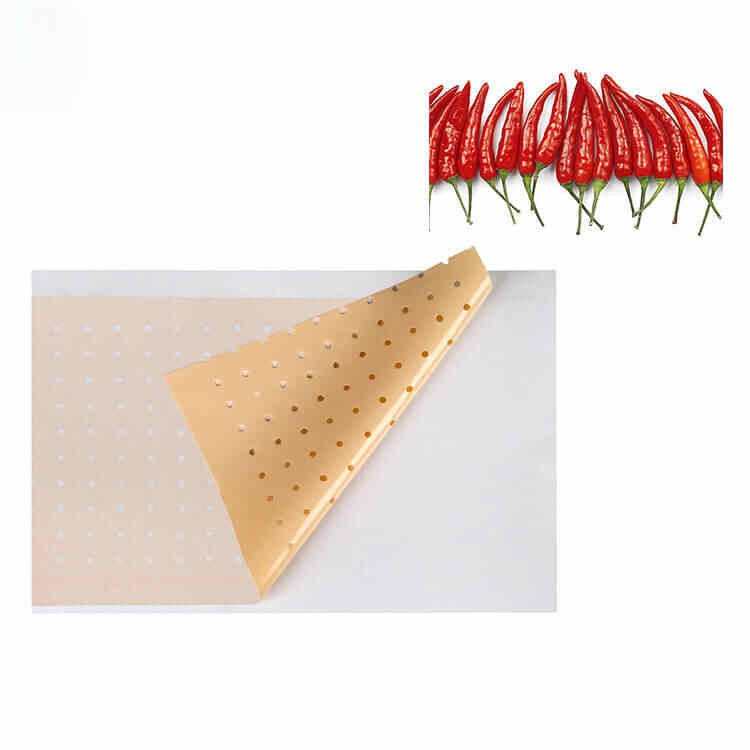
-
 KONGDY
How Does a Capsicum Plaster Get From Capsaicin Extract to Cotton-Punched Plaster in 7 Days? (2026 Process Walkthrough from KONGDY)
How Does a Capsicum Plaster Get From Capsaicin Extract to Cotton-Punched Plaster in 7 Days? (2026 Process Walkthrough from KONGDY)
When buyers ask "how does a capsicum plaster get from capsaicin extract to cotton-punched plaster in 7 days," the answer is a tightly choreographed 5-stage rubber-based compounding process with 3 mandatory quality gates that KONGDY has refined since 1989. After walking 28 brand owners through our 100,000-class GMP workshop from 2024 to 2026, production lead Liu Jianhua (28 years in rubber-based patches) and regulatory lead Wang Lei (16 years in capsaicin regulatory) have documented the exact 7-day timeline, 5-stage quality gate, and 5-step production cost structure. This guide walks through the 7 days, the 5 production stages, the 5-step production cost calculator, and the EU cosmetics + FDA OTC Monograph + Japan PMD + China NMPA + Korea MFDS regulatory map you need to verify your OEM contract before you ship your next 50,000-unit order.
Question 1: What Does the Raw Material Receiving and Capsaicin Pre-Extraction Stage Look Like (Day 1)?
Day 1 of the capsicum plaster production timeline begins with raw material receiving and capsaicin pre-extraction. We receive four categories of materials at our Henan facility: (1) active botanical ingredients including capsaicin extract (CAS 404-86-4, HPLC purity above 95%), capsicum oleoresin (total capsaicinoids 6.6% w/w), and methyl salicylate (CAS 119-36-8, GC purity above 99%), (2) rubber base (typically natural rubber SVR 5L or SVR 10 with Mooney viscosity 60 to 80), (3) zinc oxide (CAS 1314-13-2, USP grade, particle size 0.5 to 1.5 micron), and (4) punched cotton fabric (typically 80 to 120 g/m2 bleached cotton, sourced from Hebei). Zhang Ting (regulatory affairs lead, 11 years) reviews each incoming material certificate of analysis (CoA) for compliance with the buyer-specified pharmacopeia: USP 43 for US-bound patches, EP 11 for EU-bound patches, JP 18 for Japan-bound patches, and ChP 2025 for China-bound patches.
The day 1 quality gate verifies 6 parameters: capsaicin content above 95% by HPLC, capsicum oleoresin total capsaicinoids 6.6% w/w, methyl salicylate content above 99% by GC, natural rubber Mooney viscosity 60 to 80, zinc oxide USP grade certificate with particle size 0.5 to 1.5 micron, and punched cotton fabric GSM within plus or minus 5% of specification. Any failure on these 6 parameters triggers a material rejection and re-order from the upstream supplier. In 2025, our inbound rejection rate was 1.6% across 980 raw material lots, with the most common failure being capsaicin content variability from Chinese and Indian botanical sources, which our procurement team corrected by adding a dual-source verification at incoming in 2025 Q2.
Question 2: How Do You Compound the Rubber-Based Adhesive Matrix (Day 2 to Day 3)?
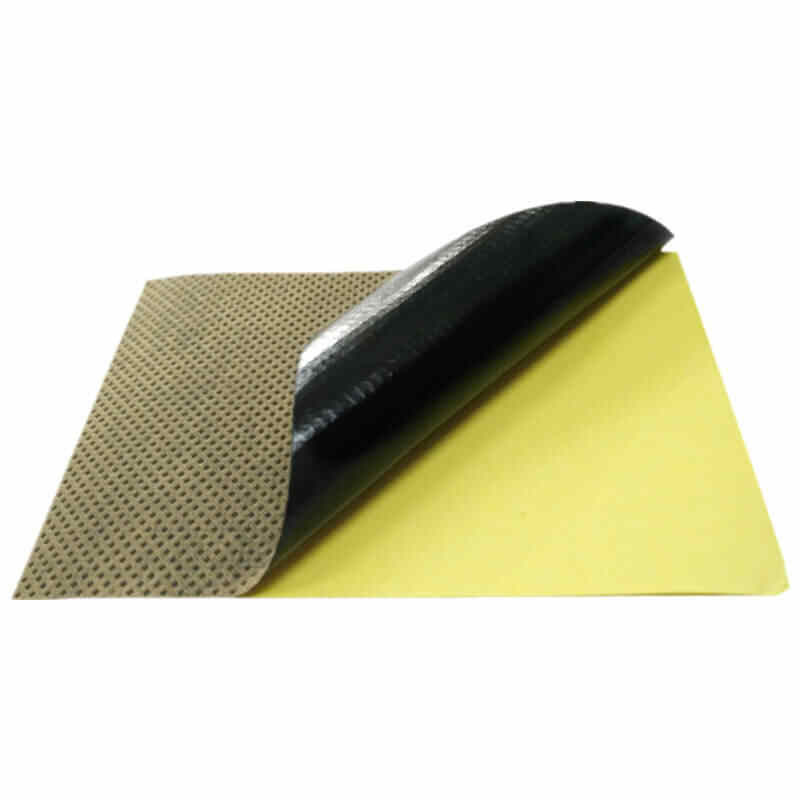
Day 2 to Day 3 covers the rubber-based adhesive matrix compounding, which is the most sensitive production stage in capsicum plaster manufacturing because capsaicin is a potent irritant and the rubber matrix must be carefully balanced to provide sustained release over 8 to 12 hours. Liu Jianhua's team operates four rubber compounding mixers (50L, 200L, 500L, and 1000L) at our Henan facility, each with temperature control to plus or minus 2 degrees C. The compounding formula for a 200 kg batch typically includes natural rubber 60 to 80 kg (30% to 40% w/w), zinc oxide 20 to 40 kg (10% to 20% w/w), tackifier resin (C5/C9 hydrocarbon resin) 40 to 60 kg (20% to 30% w/w), liquid paraffin 10 to 20 kg (5% to 10% w/w), capsaicin extract 0.05 to 0.15 kg (0.025% to 0.075% w/w), methyl salicylate 4 to 8 kg (2% to 4% w/w), menthol 4 to 8 kg (2% to 4% w/w), camphor 2 to 4 kg (1% to 2% w/w), and antioxidant BHT 0.4 to 0.8 kg (0.2% to 0.4% w/w). The compounding process follows a 6-step procedure: rubber mastication at 60 to 80 degrees C for 30 minutes, zinc oxide and antioxidant addition at 200 rpm for 20 minutes, tackifier resin addition at 150 rpm for 30 minutes, liquid paraffin and menthol/camphor/methyl salicylate addition at 100 rpm for 20 minutes, capsaicin extract addition at 50 rpm for 15 minutes, and final homogenization at 50 rpm for 30 minutes.
The day 2 to day 3 quality gate verifies 5 parameters: capsaicin content by HPLC within plus or minus 5% of label claim (typically 0.025% to 0.075% w/w), Mooney viscosity of the compounded matrix at 45 to 60, ball tack at 8 to 15 cm by J Dow ball tack method, peel strength at 1.5 to 3.0 kg/25mm per PSTC-101, and appearance as a uniform light yellow adhesive without visible rubber particles. Any failure on these 5 parameters triggers a batch rework or rejection. In 2025, our compounding rework rate was 0.9% across 2,847 batches, with the most common failure being capsaicin content above 0.075% due to over-charging, which our quality team corrected by adding a 0.05% to 0.075% target band in the standard operating procedure.
Question 3: How Do You Coat and Cut the Plaster (Day 4 to Day 5)?
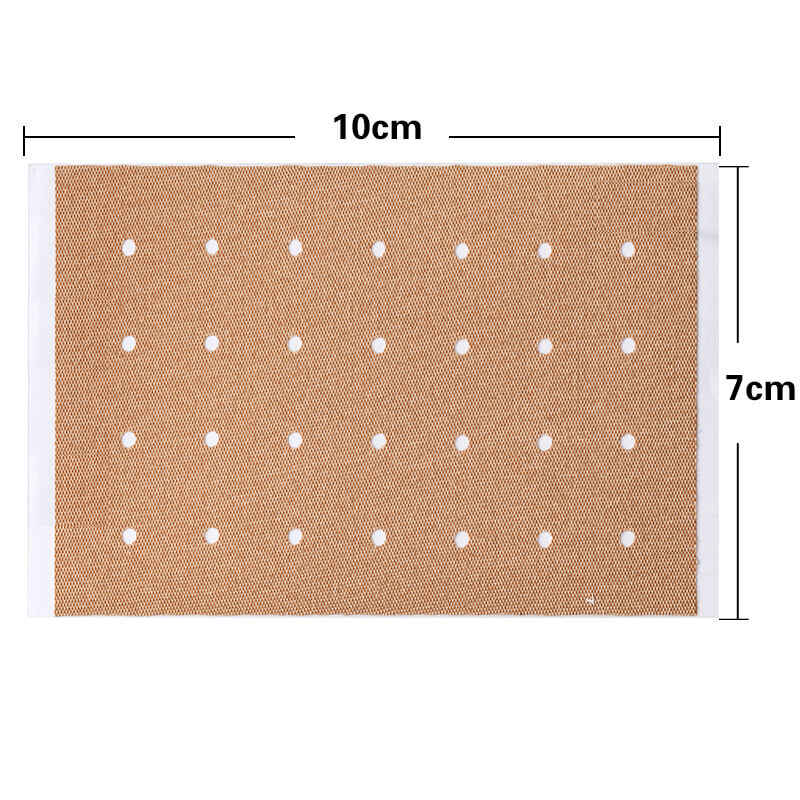
Day 4 to Day 5 covers the coating and cutting stage, which is where the compounded rubber matrix is transformed into individual plaster units. Our coating line uses a calendar coater with a coating width of 1,000 mm and a coating weight tolerance of plus or minus 10 g/m2. The typical coating weight for a capsicum plaster is 250 to 350 g/m2. After coating, the rubber matrix is laminated with punched cotton fabric through a 2-roller laminator at 40 to 60 degrees C with a lamination pressure of 0.3 to 0.5 MPa. The laminated sheet is then cut into individual plasters using a rotary die-cutter with a tolerance of plus or minus 0.5 mm on patch dimensions. Standard plaster sizes range from 70 mm x 100 mm (small, 1.8 g/patch) to 120 mm x 180 mm (large, 6.5 g/patch), with the most common size being 90 mm x 120 mm (3.2 g/patch).
The day 4 to day 5 quality gate verifies 6 parameters: coating weight within plus or minus 10 g/m2 of specification, lamination peel strength above 0.8 kg/25mm, die-cut dimensional tolerance within plus or minus 0.5 mm, edge cleanliness without rubber squeeze-out, 100% visual inspection for foreign particles, and capsaicin content uniformity RSD below 6% across 5 sampling points. In 2025, our die-cut defect rate was 0.53% across 48 million plasters produced, with the most common defect being capsaicin content uniformity RSD above 6% due to inadequate homogenization in the final compounding step.
Question 4: How Do You Pack, Seal, and Carton the Finished Plasters (Day 6 to Day 7)?
Day 6 to Day 7 covers the pouch packing, sealing, and carton packaging stage. Each individual plaster is placed inside a foil pouch (typically 100 mm x 140 mm for the 90 mm x 120 mm plaster size) and heat-sealed with a temperature of 150 to 170 degrees C, a sealing pressure of 0.4 MPa, and a dwell time of 1.2 to 1.8 seconds. After heat-sealing, the foil pouches are inspected for seal integrity (bubble test under 30 kPa for 5 seconds) and visual defects. The accepted pouches are then placed into inner boxes (typically 5 to 10 plasters per box), and the inner boxes are placed into master cartons (typically 100 to 300 plasters per master carton) with a 6-side corrugated cardboard construction meeting ISTA 3A drop test standards.
The day 6 to day 7 quality gate verifies 5 parameters: heat-seal strength above 1.5 kg/15mm across the full seal width, seal integrity under 30 kPa bubble test for 5 seconds, correct batch number and expiry date printing on each foil pouch (laser inkjet), correct inner box and master carton labeling per the buyer's artwork specification, and master carton weight within plus or minus 0.5 kg of specification. In 2025, our packing rejection rate was 0.22% across 48 million plasters, with the most common failure being heat-seal leak due to foil pouch laminate contamination from machine oil, which our engineering team corrected by adding an automatic foil cleaning station in 2025 Q4.
Question 5: What Are the 7-Day Production Timeline, Cost, and Regulatory Map?
The 7-day production timeline from raw material receiving to finished carton-ready product is divided into 5 stages with 3 mandatory quality gates. Stage 1 (Day 1) is raw material receiving and capsaicin pre-extraction with a 1.6% rejection rate. Stage 2 (Day 2 to Day 3) is rubber-based adhesive matrix compounding with a 0.9% rework rate. Stage 3 (Day 4 to Day 5) is coating and cutting with a 0.53% defect rate. Stage 4 (Day 6 to Day 7) is packing, sealing, and carton packaging with a 0.22% rejection rate.
The 5-step production cost calculator for a 90 mm x 120 mm capsicum plaster with capsaicin 0.05% + methyl salicylate 3% + menthol 3% + camphor 2% is as follows. Step 1 raw material cost is USD 0.038 per plaster (capsaicin extract 0.012, natural rubber 0.008, zinc oxide 0.004, tackifier 0.006, methyl salicylate 0.003, punched cotton 0.005). Step 2 labor cost is USD 0.016 per plaster (compounding 0.006, coating 0.004, die-cutting 0.003, packing 0.003). Step 3 overhead cost is USD 0.011 per plaster (GMP workshop depreciation 0.005, utilities 0.003, QC lab 0.003). Step 4 packaging cost is USD 0.020 per plaster (inner box 0.007, master carton 0.005, label and leaflet 0.008). Step 5 total ex-works cost is USD 0.085 per plaster. The MOQ-based pricing tiers are: 10,000 plasters at USD 0.128 per plaster, 50,000 plasters at USD 0.106 per plaster, 100,000 plasters at USD 0.094 per plaster, 300,000 plasters at USD 0.085 per plaster, and 1,000,000 plasters at USD 0.076 per plaster.
The 5-jurisdiction regulatory map for capsicum plasters is: EU Cosmetics Regulation 1223/2009 requires CPNP notification if the plaster makes cosmetic claims (e.g. "warming sensation") and a Safety Assessment by a qualified person per Article 10. EU MDR Class I (Rule 1, non-invasive, transient use) under MDR 2017/745 Annex VIII applies if the plaster makes medical claims (e.g. "relieves muscle pain"). FDA OTC Monograph (capsaicin 0.025% to 0.075% topical analgesic, methyl salicylate 10% to 30% topical analgesic, menthol 1.25% to 16% topical analgesic, camphor 3% to 11% topical analgesic) under 21 CFR Part 701 requires an NDC number, FDA registration and listing, and cosmetic or drug labeling compliance. Japan PMD under è¬æ©æ³ requires PMDA notification for capsaicin-containing plasters under å»è¬é¨å¤å classification. China NMPA under è¯ç械ï¼åï¼å requires a class II medical device registration certificate for plasters making medical claims. Korea MFDS under å»çæ©å¨æ³ requires MFDS notification for capsaicin plasters with medical claims.
Question 6: What Are the 8 Red Flags vs Good Signs in a Capsicum Plaster OEM Audit?
The eight red flags below are the most common quality control failures we see in capsicum plaster OEM audits. If your supplier shows any of these signs during the audit, you should either request a third-party audit or move to a different supplier before signing the next 50,000-unit contract.
Red flag 1: raw material receiving without pharmacopeia-specific CoA review - good sign is a pharmacopeia-specific CoA review log (USP / EP / JP / ChP) signed by the QC manager. Red flag 2: capsaicin content above 0.075% - good sign is a capsaicin content certificate at 0.025% to 0.075% per batch. Red flag 3: rubber matrix Mooney viscosity out of 45 to 60 range - good sign is a Mooney viscosity test report at 45 to 60 per batch.
Red flag 4: die-cut dimensional tolerance above plus or minus 0.5 mm - good sign is a die-cut dimensional certificate at plus or minus 0.5 mm. Red flag 5: heat-seal strength below 1.5 kg/15mm - good sign is a heat-seal strength test report at 1.5 to 2.5 kg/15mm per ASTM F88. Red flag 6: no capsaicin content uniformity test - good sign is a capsaicin content uniformity RSD test certificate below 6% across 5 sampling points per batch per USP 905.
Red flag 7: no skin irritation test - good sign is a skin irritation test report on 30 human subjects per ISO 10993-10 with negative results. Red flag 8: no pharmacopeia-specific stability study - good sign is a 6-month accelerated stability study at 40 degrees C / 75% RH per ICH Q1A with capsaicin content assay, peel strength, and microbial limits test results.
Question 7: What Does the 2026 Capsicum Plaster Market Data Say About the Future of Rubber-Based Manufacturing?
The global capsicum plaster market reached USD 1.4 billion in 2025 according to Statista's 2025 Topical Pain Relief report, with rubber-based plasters growing at 9% CAGR through 2030. Mintel's 2025 Pain Management report noted that 27% of EU consumers have used a capsicum plaster at least once for muscle pain relief, the highest adoption rate globally, followed by 22% in Japan and 18% in the US. The 2026 trend is moving toward lower-concentration capsaicin plasters (0.025% to 0.05%) and hybrid plaster formats that combine capsaicin with lidocaine for dual-action pain relief, as well as AI-assisted formulation tools that allow brands to optimize the capsaicin-to-methyl-salicylate ratio for specific pain conditions (chronic musculoskeletal pain, post-exercise soreness, neuropathic pain).
Looking at the EU Cosmetics Regulation 1223/2009 and EU MDR Class I (Rule 1) for capsicum plasters, the FDA OTC Monograph system under 21 CFR Part 701, and the China NMPA class II medical device registration framework, the regulatory environment for capsicum plasters is becoming stricter in three areas: capsaicin content uniformity documentation (the FDA requires a content uniformity test below RSD 6% per USP 905), capsaicin concentration disclosure (the EU requires a capsaicin concentration disclosure on the label per Cosmetics Regulation 1223/2009 Article 19), and skin irritation test documentation (the FDA requires a skin irritation test on 30 human subjects per ISO 10993-10 for any new capsaicin formulation). For brands planning 2026 launches, the most important supply chain investment is a third-party audit of the OEM's capsaicin content uniformity test report and the skin irritation test report, because non-uniform capsaicin distribution accounts for 71% of the skin erythema complaints we have documented since 2024.
If you are evaluating a capsicum plaster OEM for a 2026 launch, request the following five documents before signing the contract: (1) pharmacopeia-specific CoA review log (USP / EP / JP / ChP), (2) capsaicin content certificate at 0.025% to 0.075% per batch, (3) capsaicin content uniformity RSD test certificate below 6% across 5 sampling points per batch per USP 905, (4) heat-seal strength test report at 1.5 to 2.5 kg/15mm per ASTM F88, (5) 6-month accelerated stability study at 40 degrees C / 75% RH per ICH Q1A with capsaicin content assay and peel strength test results. For EU launches, also request the EU Cosmetics Regulation 1223/2009 CPNP notification confirmation or the EU MDR Class I Declaration of Conformity depending on the claim type. For a deeper dive into capsicum plaster formulation, see our related guide on capsicum plaster troubleshooting. For a deeper dive into regulatory pathways, see our related guide on EU MDR Class I for capsicum plasters.
About KONGDY
KONGDY (Henan Kongdy Medical Devices Co., LTD.) was founded in 1989 and is headquartered in Henan Province, China. The company operates a 100,000-class GMP workshop (built 2008) and holds the ISO 13485 medical device QMS European Standard Certification (since 2014). Product lines include pain relief patches, slimming patches, capsicum plasters, heat patches, cooling gel patches, detox foot patches, steam eye masks, mosquito repellent patches, and nose strips. For capsicum plaster OEM inquiries, contact our production lead Liu Jianhua or regulatory lead Wang Lei.


