-
 KONGDY
How Does a Headache Cooling Patch OEM Influence Outcome?
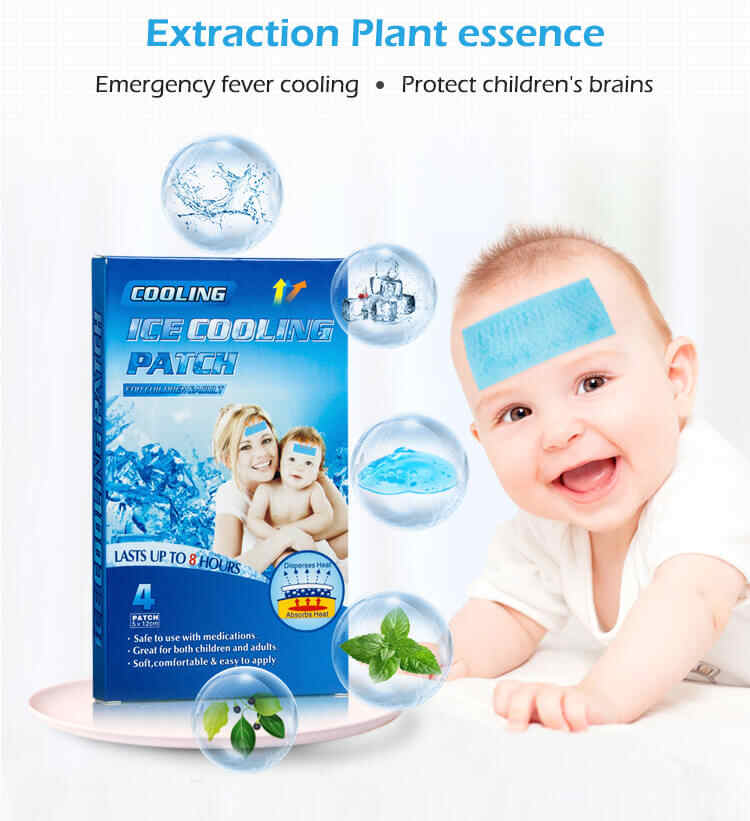
In today’s fast-paced healthcare and wellness market, brands are increasingly turning to Headache Cooling Patch OEM partners to develop high-quality, effective, and market-ready products. A well-chosen OEM partner does far more than manufacture patches—they directly influence product performance, regulatory compliance, brand image, consumer satisfaction, and long-term business success. As demand for natural and convenient headache relief solutions grows globally, the choice of OEM supplier becomes a strategic decision that can significantly shape the outcome of a brand’s product line.
Whether you are aiming to enter the market with a Private Label Headache Cooling Patch, enhance your current product offerings, or create a highly specialized Custom Headache Cooling Patch, the effectiveness of the final product heavily depends on the capabilities, technology, and expertise of your OEM. This article explores how a Headache Cooling Patch OEM influences outcomes from every angle—quality, innovation, functionality, branding, and global competitiveness—while giving brands the insights they need to make informed decisions.
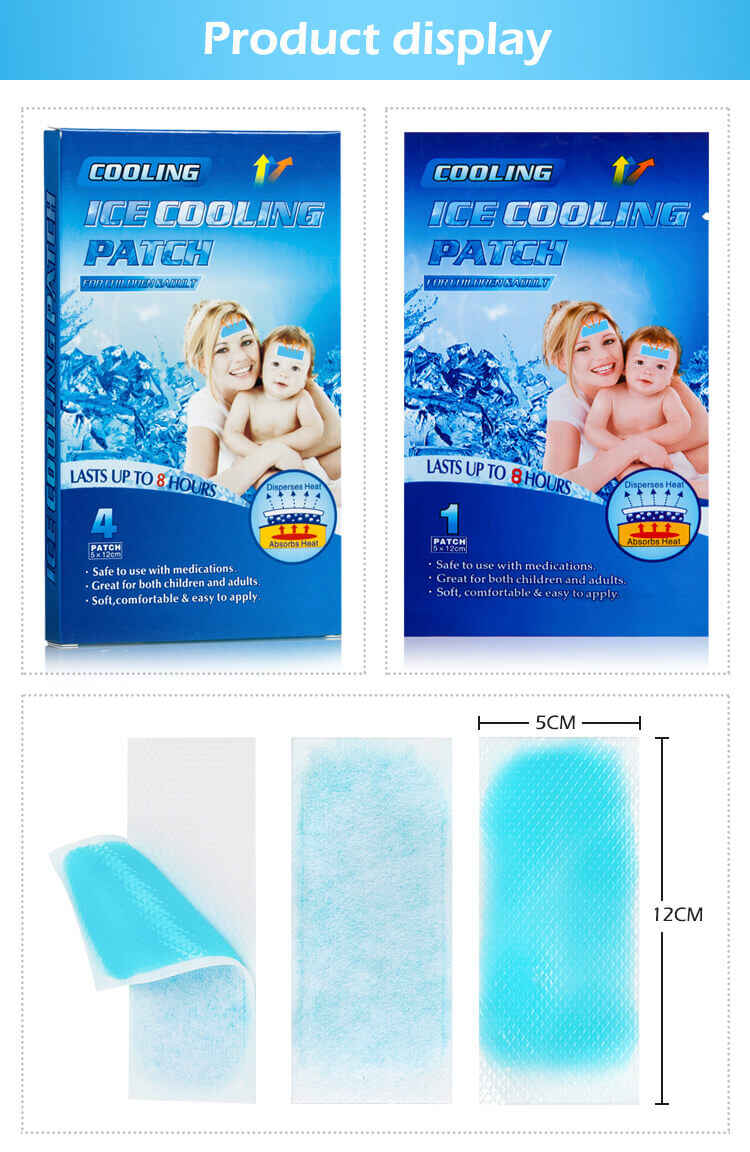
1. Product Quality: The Core Outcome of a Headache Cooling Patch OEM
Quality is the most critical factor determining the success of headache cooling patches. A capable Headache Cooling Patch Manufacturer uses advanced hydrogel technologies, high-quality ingredients, and stringent production systems that directly influence product performance.
1.1 Advanced Hydrogel Technology Determines Cooling Efficiency
Hydrogel performance affects several key outcomes:
Cooling duration
Skin comfort
Adhesion strength
Moisture retention
Menthol release rate
A high-standard OEM uses mature gel polymerization techniques to ensure consistent cooling that lasts for hours. This directly impacts the user experience—one of the most important outcomes for brand reputation.
1.2 Ingredient Selection Affects Safety and Effectiveness
A reliable Headache Cooling Patch Supplier selects:
Medical-grade hydrogel
High-purity menthol
Skin-safe adhesives
Hypoallergenic materials
These choices minimize allergic reactions, improve patch adhesion, and enhance the cooling sensation. The outcome is a product that provides reliable relief without skin irritation—exactly what consumers expect.
1.3 ISO, GMP, and CE Compliance Affects Market Trust
OEMs following strict production standards ensure:
Consistent batch quality
Traceable raw materials
Documented quality checks
Compliance builds consumer confidence and ensures that your Private Label Headache Cooling Patch meets global healthcare requirements.
2. Customization Capabilities Influence Product Differentiation
Customization is one of the strongest differentiators in the headache patch industry. An OEM with strong R&D capabilities can tailor products that generate superior market outcomes.
2.1 Custom Size, Shape, and Thickness Improve User Experience
A Custom Headache Cooling Patch can be designed to fit different user needs:
Larger patches for forehead coverage
Slim patches for the temples
Gel pads for neck tension
Ultra-thin discreet patches
These customizations influence the product’s real-world usability and comfort.
2.2 Adjustable Cooling Intensity Meets Target Market Demands
Markets differ in their preference for cooling strength:
Asia: milder, longer cooling
Europe & U.S.: stronger menthol sensation
Pediatrics: gentle cooling for sensitive skin
OEMs can adjust menthol levels, hydrogel formulation, and moisture content based on the exact needs of your audience.
2.3 Unique Formulations Enable Market Positioning
Strong OEMs help brands create innovative formulas such as:
Herbal cooling blends
Lavender aromatherapy patches
Long-lasting hydrogel cooling patches
Alcohol-free sensitive skin formulas
This empowers brands to stand out—an outcome that directly boosts market competitiveness.
3. Innovation and R&D Capabilities Influence Long-Term Growth
A forward-thinking Headache Cooling Patch Manufacturer not only produces patches but also collaborates on product innovation.
3.1 OEMs Introduce New Technologies
Innovative OEM capabilities may include:
Hydrogel with stronger moisture lock
Breathable non-woven fabric technology
Improved adhesive that leaves no residue
Multi-layer gel structures for extended cooling
Each innovation creates better performance and consumer loyalty.
3.2 Faster Development Cycles Bring Products to Market Quickly
Speed matters in competitive markets. OEMs with mature R&D processes can:
Shorten formulation testing
Accelerate stability assessments
Move to mass production quickly
Brands can launch a Private Label Headache Cooling Patch faster, capturing market demand at the right time.
3.3 Long-Term Co-Development Enhances Brand Competitiveness
Brands grow by introducing new product variations. OEM R&D teams help create:
Kids and adult versions
Extra-cool versions
Premium aromatherapy patches
Travel-pack options
This product diversity leads to stronger shelf presence and higher consumer retention.
4. OEM Production Capacity Influences Supply Stability
Reliable supply is essential for sales consistency. OEM production capacity directly affects market outcomes.
4.1 High-Volume Production Ensures Consistent Stock Levels
A powerful OEM can deliver:
Large-volume monthly production
Rapid replenishment for peak seasons
Multi-SKU manufacturing
This avoids stockouts, lost revenue, and customer frustration.
4.2 Strict Quality Control Ensures Consistency Across Batches
OEM quality teams perform:
Raw material inspections
Adhesive strength testing
Cooling duration verification
Microbial safety checks
Consistency builds brand trust—critical for long-term sales performance.
4.3 Flexible MOQs Support Both Startups and Large Brands
OEMs offering low MOQs allow small brands to test markets without risk. Meanwhile, large brands benefit from enterprise-level supply capacity. This flexibility strengthens the outcomes for businesses at every stage.
5. Compliance Support Influences Global Market Access
Regulatory compliance can make or break international sales. An experienced Headache Cooling Patch Supplier helps brands prepare required documents and achieve certifications.
5.1 Proper Documentation Enables Import Approval
OEMs can provide:
MSDS
COA
Clinical safety reports
Ingredient lists
GMP certifications
This ensures your products pass customs clearance smoothly.
5.2 Region-Specific Adjustments Ensure Legal Compliance
Different regions require different formulations. Examples:
EU restricts certain preservatives
U.S. FDA regulates menthol levels
Middle East prefers minimum fragrance
Japan requires specific adhesive standards
A competent OEM customizes formulas to comply with each market’s requirements.
5.3 Reduced Legal Risk Improves Business Outcomes
Compliance reduces:
Product recalls
Shipment delays
Penalties
Brand reputation damage
This is crucial for stable long-term growth.
6. Branding and Packaging Influence Consumer Perception
A great OEM understands that packaging influences product success just as much as performance.
6.1 Custom Packaging Builds a Strong Brand Identity
OEM partners can develop:
Luxury packaging
Eco-friendly boxes
Travel packs
Foil sachets
Multi-language designs
Strong packaging boosts shelf appeal and increases buyer confidence in your Private Label Headache Cooling Patch.
6.2 Unique Branding Creates Market Differentiation
With custom colors, logos, patterns, and messaging, brands can communicate:
Premium quality
Natural ingredients
Family-friendly features
Scientific formulation
This improves consumer trust and increases purchase intent.
6.3 Convenience Packaging Enhances User Experience
Examples include:
Pocket-size sachets
Resealable bags
Individual patch pouches
Convenience increases customer satisfaction—an essential outcome for repeat purchases.
7. Cost Efficiency and Scalability Influence Profitability
A well-structured Headache Cooling Patch OEM partnership reduces costs while elevating product quality.
7.1 Bulk Material Sourcing Reduces Cost per Unit
OEM suppliers buy raw materials in large quantities, allowing brands to benefit from:
Lower ingredient prices
Affordable packaging materials
Cost-effective logistics
This improves profit margins without compromising quality.
7.2 Mature Production Lines Reduce Manufacturing Waste
Automated assembly improves efficiency and ensures:
Fewer product defects
Reduced labor costs
Better utilization of materials
This directly influences bottom-line outcomes.
7.3 Scalability Supports Long-Term Business Expansion
Brands can gradually transition from:
Low-volume test batches
To mid-volume commercial runs
To high-volume global distribution
OEM scalability ensures smooth growth across all stages.
Conclusion: A Headache Cooling Patch OEM Directly Shapes Market Success
A capable Headache Cooling Patch OEM influences every critical outcome—from product quality and innovation to brand perception, regulatory approval, scalability, and long-term growth. Whether you aim to launch a Custom Headache Cooling Patch or expand your line of Private Label Headache Cooling Patch products, the OEM you choose determines your competitive edge.
Simply put:
The right Headache Cooling Patch Manufacturer doesn’t just produce your product—they shape your brand’s entire market outcome.
Related Questions and Short Answers
1. How does a Headache Cooling Patch OEM improve product quality?
By using advanced hydrogel technologies, safe ingredients, and strict GMP/ISO quality systems.
2. Can OEM partners create a Custom Headache Cooling Patch?
Yes. OEMs can customize formula, cooling intensity, size, shape, packaging, and fragrance.
3. Why is OEM important for Private Label Headache Cooling Patch brands?
OEMs offer ready-made solutions, scalable production, and branding support to help brands launch quickly.
4. Does a Headache Cooling Patch Supplier help with global compliance?
Yes. They provide documentation, adjust formulas for each country, and meet import regulations.
5. How does OEM partnership affect brand competitiveness?
OEMs enable innovation, consistency, and differentiation—key factors in winning consumer trust and expanding market share.


