-
 KONGDY
Do Private Label Detox Foot Pads Still Require Compliance Checks?
In the global wellness and personal care industry, Private Label Detox Foot Pads are often seen as the fastest and easiest way to launch a product. Many brands assume that because the formula is already developed by a Detox Foot Pads Manufacturer, regulatory compliance is automatically “taken care of.”
But is that assumption correct?
Do Private Label Detox Foot Pads still require compliance checks?
The clear and definitive answer is yes—absolutely.
Even when sourcing from an experienced Detox Foot Pads OEM, compliance checks remain essential. Regulations apply not only to product formulations, but also to labeling, claims, packaging, import procedures, and market-specific responsibilities. This article explains why compliance is still mandatory, what types of checks are required, and how a reliable Detox Foot Pads Supplier helps brands minimize risk while scaling globally.
1. Understanding Private Label Detox Foot Pads
1.1 What “Private Label” Really Means
Private label products are manufactured by a Detox Foot Pads Manufacturer and sold under a brand’s own name. While the formula may be standardized, the legal responsibility shifts to the brand once the product enters the market.
This distinction is critical:
Even if the product is not customized like Custom Detox Foot Pads, regulators view the brand as the accountable party.
1.2 Common Misconceptions About Private Label Compliance
Many new brands mistakenly believe that:
Private label products are “pre-approved”
No regulatory review is required
The manufacturer bears full responsibility
In reality, Private Label Detox Foot Pads must still undergo compliance checks in every target market.
2. Why Compliance Checks Are Mandatory for Private Label Detox Foot Pads
2.1 Regulations Apply to Products, Not Ownership Models
Regulatory authorities do not differentiate between:
Custom Detox Foot Pads
Private Label Detox Foot Pads
They regulate what the product is, how it is marketed, and how it is used. Any product applied to the skin must meet safety and labeling standards—regardless of whether it is custom-made or private label.
2.2 Market-Specific Regulations Still Apply
A Private Label Detox Foot Pad sold in:
The United States
The European Union
The United Kingdom
Southeast Asia
The Middle East
must comply with each market’s unique regulatory framework. A formula acceptable in one region may require adjustments or additional documentation elsewhere.
An experienced Detox Foot Pads OEM understands these variations and prepares brands accordingly.
3. Types of Compliance Checks Required for Private Label Detox Foot Pads
3.1 Ingredient Compliance Verification
Even standardized formulas must be checked against:
Restricted ingredient lists
Concentration limits
Regional safety standards
A responsible Detox Foot Pads Manufacturer provides ingredient declarations and safety data, but the brand must still ensure alignment with local regulations.
3.2 Manufacturing Standards and Certifications
Regulators and importers often require proof that products are manufactured under:
GMP (Good Manufacturing Practice)
ISO quality management systems
A certified Detox Foot Pads OEM significantly simplifies this compliance step.
3.3 Labeling and Packaging Compliance
Private label brands control the packaging—making them responsible for:
Ingredient lists
Usage instructions
Warning statements
Language requirements
Market-specific formatting
Even small labeling errors can lead to product delays or rejection at customs.
4. Compliance Responsibilities: Brand vs. Detox Foot Pads Manufacturer
4.1 What the Manufacturer Typically Covers
A professional Detox Foot Pads Supplier usually provides:
Compliant base formulations
Manufacturing certifications
Batch traceability
Product specifications
This forms the foundation of compliance—but it is not the final step.
4.2 What the Brand Is Still Responsible For
Brands must ensure:
Labels are accurate and compliant
Claims meet regulatory standards
Products are correctly registered or notified (where required)
Importers and responsible persons are appointed
Even with private label products, compliance accountability remains with the brand.
5. Claims Management: A High-Risk Area for Private Label Detox Foot Pads
5.1 Why Claims Trigger Regulatory Action
Private label brands often customize marketing messages to differentiate themselves. However, regulators closely monitor claims such as:
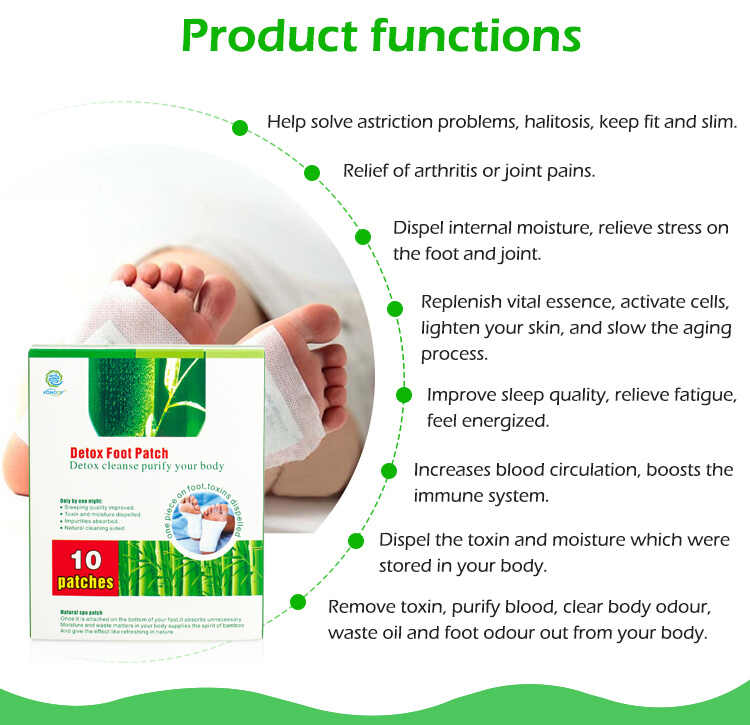
“Removes toxins”
“Detoxifies the body”
“Improves circulation”
An experienced Detox Foot Pads OEM helps brands reframe claims into wellness-focused, compliant language.
5.2 Platform Compliance vs. Regulatory Compliance
Even if e-commerce platforms accept certain claims, regulatory authorities may not. A reliable Detox Foot Pads Manufacturer understands this distinction and advises accordingly.
6. Private Label vs. Custom Detox Foot Pads: Compliance Comparison
6.1 Why Private Label Is Simpler—but Not Exempt
Compared to Custom Detox Foot Pads, private label products:
Use proven formulations
Require less documentation
Face fewer ingredient reviews
However, simpler does not mean exempt. Compliance checks remain mandatory.
6.2 Shared Compliance Risks Across Both Models
Both private label and custom products must address:
Safety standards
Label accuracy
Claim limitations
Import regulations
Choosing private label reduces—but does not eliminate—compliance responsibility.
7. How a Professional Detox Foot Pads Supplier Supports Compliance
7.1 Compliance-Ready Product Development
Top-tier Detox Foot Pads Suppliers design private label products with global markets in mind, ensuring:
Broad ingredient acceptability
Conservative claim positioning
Scalable documentation
This approach reduces registration and inspection risks.
7.2 Ongoing Regulatory Support
Experienced Detox Foot Pads OEMs assist with:
Label reviews
Ingredient questions
Market-specific compliance advice
This support is especially valuable for brands expanding into new regions.
8. The Cost of Ignoring Compliance Checks
Brands that skip compliance checks for Private Label Detox Foot Pads risk:
Customs holds or product seizures
Forced relabeling or recalls
Legal penalties
Loss of distributor trust
These costs far exceed the time and expense of proper compliance review.
9. Compliance as a Competitive Advantage for Private Label Brands
Brands that prioritize compliance can:
Enter new markets faster
Build stronger distributor relationships
Protect brand reputation
Achieve long-term scalability
A compliance-focused Detox Foot Pads Manufacturer becomes a strategic partner—not just a supplier.
10. Conclusion: Private Label Does Not Mean Compliance-Free
So, do Private Label Detox Foot Pads still require compliance checks?
Without question, yes.
While private label products offer faster market entry and lower development costs, they remain subject to the same regulatory scrutiny as custom products. Brands must work closely with an experienced Detox Foot Pads OEM and a responsible Detox Foot Pads Supplier to ensure all compliance requirements are met.
In today’s regulated global marketplace, compliance is not optional—it is foundational.
Frequently Asked Questions (FAQs)
Q1: Are Private Label Detox Foot Pads automatically compliant?
A: No. Even standardized products must be reviewed for market-specific compliance.
Q2: Who is legally responsible for compliance—the brand or the manufacturer?
A: The brand is ultimately responsible, even when sourcing from a Detox Foot Pads Manufacturer.
Q3: Are Private Label Detox Foot Pads easier to register than custom products?
A: Yes, but they still require ingredient, labeling, and claim checks.
Q4: What is the biggest compliance risk for private label products?
A: Misleading or non-compliant marketing claims.
Q5: Can a Detox Foot Pads Supplier help with compliance documentation?
A: Yes. Professional suppliers provide essential documents and regulatory guidance.
Q6: Is compliance required even for online sales only?
A: Yes. Online products are still subject to national and regional regulations.


