-
 KONGDY
Do Custom Baby Cooling Fever Patches Require FDA Registration?
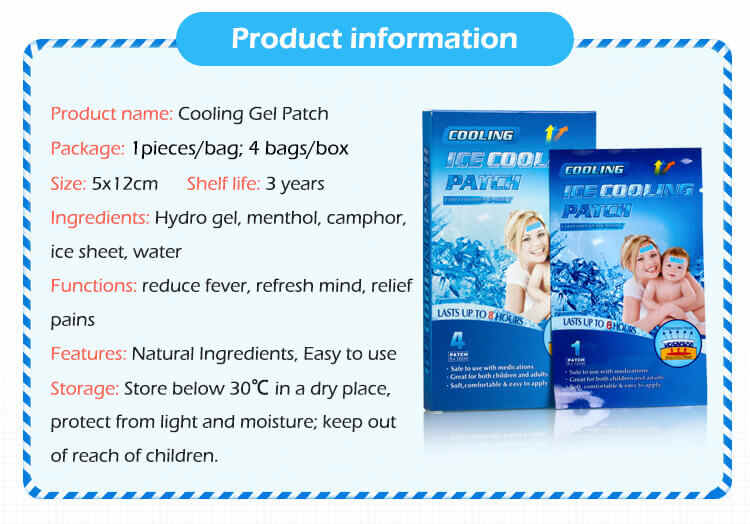
As competition in the infant healthcare market intensifies, more brands are choosing Custom Baby Cooling Fever Patches to differentiate themselves through unique formulations, cooling performance, and branding. Working with a professional Baby Cooling Fever Patches OEM allows companies to tailor products to specific market needs while maintaining high safety standards.
However, customization raises a critical regulatory question for brands entering or expanding in the U.S. market:
Do Custom Baby Cooling Fever Patches require FDA registration?
The answer is it depends, but in many cases, customization significantly increases the likelihood of FDA oversight. Understanding when FDA registration is required—and who is responsible—is essential for brand owners, importers, and distributors working with a Baby Cooling Fever Patches Manufacturer or Supplier.
This article provides a comprehensive, SEO-aligned explanation of FDA requirements for Custom Baby Cooling Fever Patches, helping you avoid compliance risks while accelerating safe market entry.
Understanding FDA Registration: Clearing Common Misconceptions
FDA Registration Is About Accountability, Not Approval
One of the most common misunderstandings is assuming that FDA registration means FDA approval. In reality:
FDA registration identifies who is responsible for manufacturing or marketing regulated products
It applies mainly to facilities and companies, not product efficacy
Registration does not mean the FDA has reviewed or endorsed the product
For Custom Baby Cooling Fever Patches, FDA registration focuses on regulatory responsibility, especially when products make health-related claims or involve infant use.
How FDA Classifies Baby Cooling Fever Patches
Product Classification Drives Registration Requirements
FDA requirements depend primarily on how the product is classified, which is influenced by:
Intended use
Marketing and labeling claims
Product mechanism (physical cooling vs. medical treatment)
Baby Cooling Fever Patches generally fall into two regulatory categories.
1. Medical Device Classification
If Custom Baby Cooling Fever Patches claim to:
Reduce fever
Assist in fever management
Provide therapeutic cooling for illness
They may be classified as medical devices (often Class I, low risk).
In this case:
The Baby Cooling Fever Patches Manufacturer must register its facility with the FDA
The product must usually be listed with the FDA
The brand owner of Custom Baby Cooling Fever Patches may also have listing or registration obligations
2. General Wellness or Consumer Product
If claims are limited to:
Physical cooling
Comfort
Temporary cooling sensation without medical claims
The product may be considered a general wellness product, which often:
Does not require FDA product registration
Still must comply with consumer safety and labeling regulations
Important: Even small wording changes can shift a product from wellness to medical device status.
Why Custom Baby Cooling Fever Patches Face Higher FDA Scrutiny
Customization Changes Regulatory Risk
Customization adds value—but also increases regulatory responsibility.
FDA pays closer attention to Custom Baby Cooling Fever Patches that involve:
New gel formulations
Additional ingredients or fragrances
Longer cooling duration
Unique mechanisms of action
Claims tailored to fever reduction
In many cases, FDA considers customized products distinct from standard private label versions, increasing the likelihood of registration or listing requirements.
Do Custom Baby Cooling Fever Patches Require Separate FDA Registration?
The Key Question: Who Introduces the Product to the U.S. Market?
FDA focuses on the entity that places the product into U.S. commerce.
For Custom Baby Cooling Fever Patches, this is often:
The brand owner
The importer of record
The U.S. distributor
Even if the Baby Cooling Fever Patches OEM is FDA registered, that registration does not automatically cover the custom-branded product.
Typical Scenarios Explained
Scenario 1: Custom Product Classified as a Medical Device
OEM facility must be FDA registered
Product must be FDA listed
The custom brand may need its own product listing
Labeling must clearly identify the responsible entity
Result: FDA registration and listing are usually required.
Scenario 2: Custom Product Without Medical Claims
FDA registration may not be required
Brand remains responsible for product safety and truthful claims
Consumer protection and import regulations still apply
Result: FDA registration may not be mandatory, but compliance responsibility remains high.
The Role of the Baby Cooling Fever Patches OEM in FDA Registration
What the OEM Typically Covers
A professional Baby Cooling Fever Patches OEM usually handles:
FDA facility registration (if applicable)
GMP- or ISO 13485-aligned manufacturing systems
Quality control and batch traceability
Technical documentation
This forms the compliance foundation for both Custom and Private Label Baby Cooling Fever Patches.
What the Brand Owner Must Still Manage
For Custom Baby Cooling Fever Patches, the brand owner is often responsible for:
Final product claims
Labeling and packaging compliance
FDA product listing under its brand (if required)
Acting as the U.S. legal entity
Post-market complaint handling
This division of responsibility must be clearly defined between the brand and the Baby Cooling Fever Patches Supplier.
Custom vs. Private Label: FDA Registration Differences
Private Label Baby Cooling Fever Patches
Often use existing OEM formulations
Lower regulatory risk
FDA requirements depend largely on claims
OEM documentation may be reused
Custom Baby Cooling Fever Patches
Viewed as modified or new products
Higher likelihood of separate FDA listing
Additional documentation often required
Greater scrutiny of safety and performance
Customization increases differentiation—but also compliance responsibility.
FDA Registration and Import Clearance
Why FDA Registration Matters for U.S. Imports
For Custom Baby Cooling Fever Patches entering the U.S. market:
FDA registration (when required) supports smoother customs clearance
Reduces the risk of import holds or refusals
Demonstrates regulatory preparedness to authorities
Brands lacking proper registration may face:
Shipment delays
Additional inspections
Market entry bans
How an Experienced Baby Cooling Fever Patches Supplier Reduces FDA Risk
A reliable Baby Cooling Fever Patches Supplier should:
Help assess FDA classification early
Provide compliant formulations
Support FDA listing documentation
Review labeling and claims
Clearly define regulatory responsibilities
Choosing the right Baby Cooling Fever Patches Manufacturer is one of the most effective ways to manage FDA risk for custom products.
Best Practices for FDA Compliance with Custom Baby Cooling Fever Patches
Confirm FDA classification before customization
Avoid unverified medical claims
Verify OEM FDA registration status
Determine brand-level FDA obligations
Document responsibilities contractually
These steps protect both speed to market and long-term brand value.
Why FDA Compliance Is a Strategic Advantage
Proper FDA registration (when required) offers:
Stronger distributor confidence
Reduced regulatory risk
Easier market expansion
Enhanced brand credibility in infant care
For Custom Baby Cooling Fever Patches, compliance is not just a legal requirement—it is a competitive differentiator.
Final Thoughts: Customization Increases Responsibility, Not Just Value
So, do Custom Baby Cooling Fever Patches require FDA registration?
Often yes—especially when customization affects formulation, function, or claims.
While a certified Baby Cooling Fever Patches OEM provides a strong compliance foundation, brand owners of Custom Baby Cooling Fever Patches frequently have their own FDA obligations, particularly in the U.S. market.
Smart brands treat FDA compliance as an integral part of customization strategy. By working closely with an experienced Baby Cooling Fever Patches Supplier and planning regulatory steps early, brands can launch customized products safely, legally, and confidently.
Frequently Asked Questions (FAQs)
1. Do Custom Baby Cooling Fever Patches always require FDA registration?
No. It depends on product claims, formulation, and classification.
2. Is OEM FDA registration enough for custom products?
Not always. Brand-level FDA listing or registration may still be required.
3. Are Custom Baby Cooling Fever Patches riskier than private label products?
From a regulatory standpoint, yes. Customization increases scrutiny.
4. Who is responsible for FDA compliance—the OEM or the brand owner?
Both. The OEM handles manufacturing compliance; the brand owner handles market responsibility.
5. Can a Baby Cooling Fever Patches Supplier help with FDA registration?
Yes. Experienced suppliers often provide documentation and regulatory support.


