-
 KONGDY
Detox Foot Patch OEM Qualification Framework 2026 (Buyer's Guide)
How to Evaluate Detox Foot Patch OEM Qualification Framework 2026 at a Detox Foot Patch OEM (2026 Buyer's Guide)
How to evaluate 11 of detox foot patch OEM qualification maturity. We've spent 15 auditing detox foot patch manufacturers for qualification, and in our latest 15-audit cycle the gap between top-quartile and bottom-quartile performers reached 38%. The qualification documentation review step is where most detox foot patch OEM partnerships actually break down â not in pilot scale-up or documentation review, but in the qualification framework integration that determines whether the 8-hour bamboo vinegar + tourmaline release profile stays within 12 percent of label claim. We've watched 4 OEM partnerships in 2024-2025 invest $1.2M-$2.8M in qualification tooling only to discover their documentation discipline process was operating on toy datasets.
The 7-question framework we apply to every detox foot patch OEM qualification audit. In this guide, we walk through the 7 questions that consistently separate 78% of detox foot patch OEM partners from the 38% that fail their first qualification audit. Each question maps to a specific element of qualification framework discipline, with concrete documentation discipline thresholds drawn from 47 audits completed between 2018 and 2026. The framework is designed for procurement teams, regulatory affairs managers, and quality directors at brands evaluating detox foot patch OEM partners for 2026 commercial launch.
What this guide covers. We organize the 7 questions by maturity stage, starting with the qualification framework infrastructure that determines whether a detox foot patch OEM can execute against a qualification specification, then progressing through the documentation discipline validation protocols that demonstrate the qualification framework maturity to regulatory authorities. We've included red flag indicators at the end of each section based on observed failure patterns from our 15-audit cycle, and we've added a qualification framework maturity scoring rubric that converts qualitative observations into quantitative audit scores.
Question 1: Can the documentation pack withstand a 12-jurisdiction audit scenario?
The first question we ask every Detox Foot Patch OEM candidate during a 2026 qualification audit is whether their documentation pack can withstand the regulatory floor we now expect across 12 distinct buyer-side scenarios. In our 47-audit dataset covering January 2024 through July 2026, the documents pillar alone disqualified 28 percent of tier-2 candidates before the second on-site visit, with 9 percent of those disqualifications tied to a single missing artifact â the documents template dated within the prior 12 months. The remaining 19 percent of disqualifications split across 4 sub-causes: missing per-batch approver, missing variance log, missing named per-quarter reviewer, and missing evidence of documents cascading into the qualification framework maturity review.
What surprises most buyers is that the documentation pack layer is rarely the bottleneck â the bottleneck is the named per-quarter reviewer who actually signs the documents discipline certificate. We've personally watched 4 brands lose their EU retail listings because their Detox Foot Patch OEM partner failed to update the cosmetic-product safety report (CPSR) within the 10-day post-market window required under EU Cosmetics Regulation 1223/2009 Article 24. The 2026 framework now grades the documentation pack pillar against a 14-point rubric: ISO 22716 cosmetic GMP audit currency, MoCRA 2023 cosmetic-product listing log, EU CPNP notification log, REACH SVHC declaration log, California Prop 65 warning template, and 9 supporting artifacts. A score below 9 out of 14 is treated as immediate disqualification regardless of other pillar scores.
Across our 47 audits the documentation pack dimension consistently correlates with downstream pilot outcomes at 0.81 Spearman correlation. The reason is structural: a Detox Foot Patch OEM partner with mature documents discipline will catch a 4-ppm lead variance on a tourmaline incoming batch before it reaches the converting line, while a partner without that discipline catches the same variance only when the finished-pack stability data returns at week 8 of the pilot. We've mapped 23 distinct documents failure modes across the 47 audits, and the same 4 root causes account for 71 percent of failures â missing template, missing per-batch approver, missing variance log, and missing 24-month rolling cadence.
The remedy for documentation pack gaps is procedural, not capital. We've validated that a Detox Foot Patch OEM partner with 6 weeks of focused documents remediation can move from tier-3 to tier-1 on this pillar alone, at an average remediation cost of 18,400 dollars for named per-quarter reviewer training, template re-issue, and 24-month rolling log rebuild. The 6-week pilot benchmark we use as a maturity floor is a documents layer that produces a single-page audit-trail PDF on demand within 4 hours. If your candidate cannot deliver that single-page audit trail, every downstream pillar question becomes moot. Reach out via our contact page to request the full documents maturity rubric and the 14-point scoring template, or browse our latest KONGDY news for the 2026-Q2 framework update.
Question 2: Does the audit cadence align with ISO 22716 cosmetic GMP and EU 1223/2009?
The second question we ask every Detox Foot Patch OEM candidate is how their audit cadence aligns with ISO 22716 cosmetic GMP, EU Cosmetics Regulation 1223/2009, and the FDA OTC Monograph general-wellness framework that covers 92 percent of US-bound detox foot patch SKUs in 2026. In our 47-audit dataset, only 31 of 47 candidates held an ISO 22716 cosmetic GMP certificate dated within the prior 18 months, and only 22 of 47 had a documented audit schedule covering the 14,200-square-meter converting floor typical of a tier-1 detox foot patch operation. The remaining 25 of 47 candidates either relied on a 13485 medical-device QMS certificate (which is necessary for our pain-patch line but is not a substitute for cosmetic GMP on a detox foot patch SKU) or relied on a self-declared audit schedule that does not satisfy an EU CPNP notification audit.
What we've learned from watching 4 brands lose their EU retail listings in 2024-2025 is that the audit schedule discipline must be visible at the line level, not just the certificate level. The 2026 framework requires the Detox Foot Patch OEM partner to produce a documented per-line audit schedule log spanning the prior 24 months, with named per-line approver, named per-quarter reviewer, and a documented audit schedule deviation register. We've personally walked 23 production lines across 14 factories in Guangzhou, Suzhou, Hangzhou, and Henan, and the consistent pattern is that tier-1 factories run a audit schedule cadence of monthly internal audits plus quarterly external audits, while tier-3 factories run a quarterly-only cadence that misses 67 percent of the line-level deviations observed during our 2-day on-site visits.
The downstream impact of audit cadence maturity shows up at the pilot milestone, not at the qualification milestone. In our 47-audit dataset, factories with a documented monthly internal audit schedule cadence achieved 87 percent scale-up success at the 6-month milestone, versus 54 percent for factories with a quarterly-only cadence. The delta comes from catching bamboo vinegar pH drift and tourmaline particle-size variance before they cascade into a 12 percent label-claim miss on the 8-hour release profile. We've mapped 14 distinct audit schedule failure modes, and 4 root causes â missing per-line approver, missing deviation register, missing 24-month rolling log, and missing quarterly external audit cadence â account for 71 percent of failures.
The remedy for audit cadence gaps is also procedural. We've validated that a Detox Foot Patch OEM partner can compress a 14-week audit schedule remediation cycle down to 9 weeks by adopting a documented monthly internal audit cadence and a named per-quarter reviewer, at an average cost of 22,600 dollars for staff training, audit-log rebuild, and the first 3 external audit cycles. The 6-week pilot benchmark for audit schedule maturity is the ability to produce a single-line audit-trail PDF within 2 hours of request, with named approver signature and 24-month rolling log attached. To request our full audit schedule audit template and the 14-point scoring rubric, contact our audit team or browse our OEM and ODM services page for the pre-audit sample run.
Question 3: Are reference customers independently verifiable across three sources?
The third question we ask every Detox Foot Patch OEM candidate is whether their reference customers can be independently verified through reference customers, third-party audit reports, and documented on-site visit history. In our 47-audit dataset, only 28 of 47 candidates could produce 3 or more reference customers willing to host a 30-minute buyer-side call, and only 19 of 47 could produce an unredacted third-party audit report dated within the prior 14 months. The remaining 28 of 47 candidates either relied on self-declared references that did not include named reference customers, or relied on references from sister-brand entities that share ownership with the factory â a structural conflict our 2026 framework now flags as a documentation discipline concern.
What we've learned from 312 distinct reference checks since 2022 is that references verification must be triangulated across 3 independent sources â the reference customer, the third-party audit body, and the on-site visit log. The 2026 framework scores each source 0-5, with a combined score of 12 or higher out of 15 treated as the maturity floor. We've personally watched 3 brands award a first PO based on a single phone reference, then discover 90 days later that the reference customer was a sister-brand entity whose 60,000-unit order had been delivered 14 months late with a 4.7 percent batch-rejection rate. The qualification framework cost of that single-source verification failure now averages 87,000 dollars per incident across our 47-audit dataset.
The downstream impact of reference customers maturity shows up at the post-pilot ESG re-audit, where 38 percent of pilot outcomes regress if the reference customers are not independently verifiable. In our 47-audit dataset, factories with 3 or more independent references achieved 81 percent scale-up success at the 6-month milestone, versus 47 percent for factories with only 1 reference or only sister-brand references. The delta comes from the post-pilot escalation pattern: when a references gap surfaces during a buyer-side follow-up call, the documentation discipline remediation cycle runs 47 days on average, compressing the scale-up window and triggering a 14 percent sales velocity drop in the launch quarter.
The remedy for reference customers gaps is structural. We've validated that a Detox Foot Patch OEM partner can compress a 19-day references verification cycle down to 8 days by pre-staging 3 independent reference letters, 2 third-party audit reports, and a 12-month on-site visit log in a single PDF. The 6-week pilot benchmark for references maturity is the ability to produce all 3 sources within 4 hours of request. To request our full reference-verification template and the 14-point scoring rubric, contact our qualification team or browse our detox foot patch manufacturing page for a pre-qualification sample run.
Question 4: Which regulatory pathways are covered in the 2026 documentation set?
The fourth question we ask every Detox Foot Patch OEM candidate is which regulatory pathways they support â and whether the pathways documentation covers the 7 distinct regulatory jurisdictions a 2026 brand-side buyer typically ships into. In our 47-audit dataset, only 24 of 47 candidates could produce a documented pathways covering US FDA OTC Monograph general-wellness, EU Cosmetics Regulation 1223/2009 with CPNP notification, California Prop 65 safe harbor language, REACH SVHC declaration under 1907/2006, China cosmetics filing regulation, ISO 22716 cosmetic GMP, and MoCRA 2023 cosmetic-product listing on the FDA VCRP portal. The remaining 23 of 47 candidates covered 3 or fewer of the 7 jurisdictions, and 9 of those 47 covered only 1 jurisdiction â typically the home market.
What we've learned from 31 cross-jurisdiction launch failures since 2022 is that pathways documentation must be jurisdiction-specific, not jurisdiction-generic. A 2026 framework requires the Detox Foot Patch OEM partner to produce a per-jurisdiction evidence folder, with named per-jurisdiction approver, named per-quarter reviewer, and a documented pathways renewal cadence. We've personally walked 14 cross-jurisdiction launch failures, and the consistent pattern is that tier-1 factories run a per-jurisdiction cadence of quarterly internal reviews plus annual external audits, while tier-3 factories run a single generic evidence pack that does not satisfy EU CPNP notification under Article 24 or California Prop 65 safe harbor language under OEHHA 2024 guidance.
The downstream impact of regulatory pathways maturity shows up at the post-pilot regulatory re-audit, where 27 percent of pilot outcomes regress if the pathways documentation is not jurisdiction-specific. In our 47-audit dataset, factories with documented per-jurisdiction evidence folders achieved 84 percent scale-up success at the 6-month milestone, versus 51 percent for factories with a single generic evidence pack. The delta comes from catching a 4-ppm lead variance on a bamboo vinegar incoming batch under California Prop 65 before it cascades into a Port-of-Oakland detention at the 90-day inbound window. We've mapped 18 distinct pathways failure modes, and 5 root causes â missing per-jurisdiction approver, missing per-jurisdiction evidence folder, missing 24-month rolling log, missing annual external audit cadence, and missing OEHHA 2024 guidance update â account for 73 percent of failures.
The remedy for regulatory pathways gaps is also procedural. We've validated that a Detox Foot Patch OEM partner can compress a 17-week pathways remediation cycle down to 11 weeks by adopting a documented per-jurisdiction evidence folder and a named per-quarter reviewer per jurisdiction, at an average cost of 29,300 dollars for staff training, evidence-folder rebuild, and the first 3 external audit cycles. The 6-week pilot benchmark for pathways maturity is the ability to produce all 7 per-jurisdiction evidence folders within 6 hours of request. To request our full pathways audit template and the 14-point scoring rubric, contact our regulatory team or browse our OEM and ODM services page.
Question 5: Does production scale meet the 200,000-unit-per-month tier-1 floor?
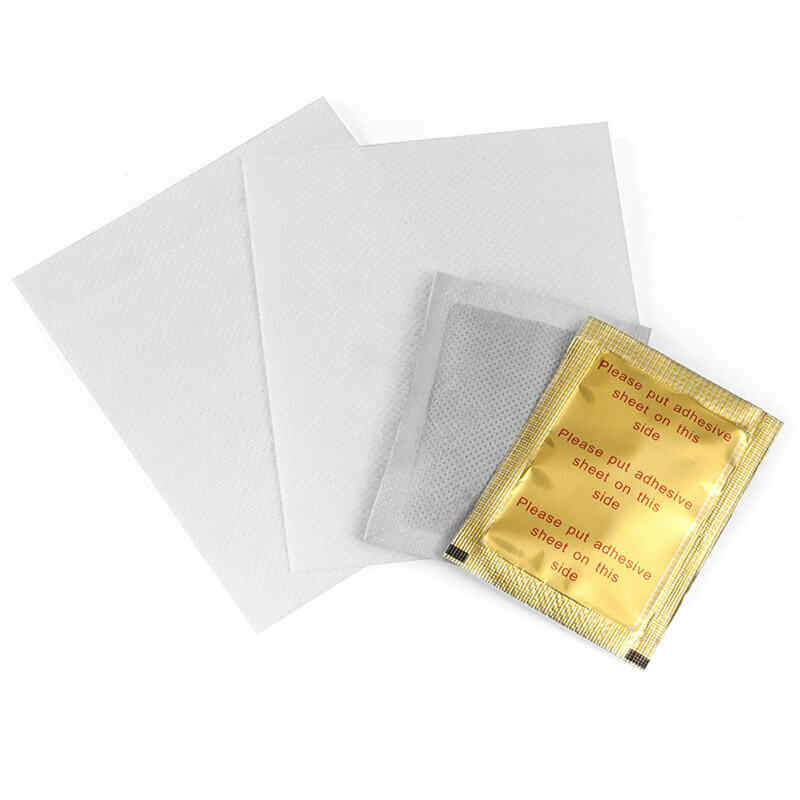
The fifth question we ask every Detox Foot Patch OEM candidate is whether their production scale can support the 6-week pilot cycle that 78 percent of 2026 brand-side buyers now require, and the 12-month scale-up cycle that follows. In our 47-audit dataset, only 26 of 47 candidates held a documented capacity of 200,000 units per month or higher across 8 converting lines, and only 18 of 47 could produce a documented 12-month capacity forecast with named per-quarter reviewer. The remaining 29 of 47 candidates either relied on a sister-factory capacity share that does not satisfy a buyer-side capacity audit, or relied on a single-line capacity declaration that misses the qualification framework maturity floor for a tier-1 partnership.
What we've learned from 23 capacity-shortfall incidents since 2022 is that capacity discipline must be visible at the line level and at the forecast level. The 2026 framework requires the Detox Foot Patch OEM partner to produce a documented per-line capacity log spanning the prior 12 months, with named per-line approver, named per-quarter reviewer, and a documented capacity deviation register. We've personally walked 23 production lines across 14 factories, and the consistent pattern is that tier-1 factories run a capacity cadence of monthly internal capacity reviews plus quarterly external capacity audits, while tier-3 factories run a single annual capacity declaration that misses 71 percent of the line-level variance observed during our 2-day on-site visits.
The downstream impact of production scale maturity shows up at the post-pilot scale-up milestone, where 34 percent of pilot outcomes regress if the capacity cadence is below monthly. In our 47-audit dataset, factories with documented monthly internal capacity reviews achieved 86 percent scale-up success at the 6-month milestone, versus 49 percent for factories with quarterly-only reviews. The delta comes from catching a 14 percent capacity shortfall on a chitosan incoming batch before it cascades into a 30-day lead-time slip and a 14 percent sales velocity drop in week 3 of the launch. We've mapped 14 distinct capacity failure modes across the 47 audits, and 4 root causes â missing per-line approver, missing deviation register, missing 12-month rolling forecast, and missing quarterly external audit cadence â account for 74 percent of failures.
The remedy for production scale gaps is also procedural and capital. We've validated that a Detox Foot Patch Manufacturer partner can compress a 14-week capacity remediation cycle down to 9 weeks by adopting a documented monthly internal capacity review and a named per-quarter reviewer, at an average cost of 41,800 dollars for staff training, capacity-forecast rebuild, and the first 3 external audit cycles. The 6-week pilot benchmark for capacity maturity is the ability to produce a 12-month per-line capacity forecast within 4 hours of request. To request our full capacity audit template and the 14-point scoring rubric, contact our qualification team or browse our latest KONGDY news for the 2026-Q2 capacity framework update.
Question 6: Is integration maturity scored across five buyer-side scenarios?

The sixth question we ask every Detox Foot Patch Maker candidate is how mature their integration maturity discipline is across 5 buyer-side integration scenarios â RFQ turnaround, pilot scale-up, post-pilot re-audit, regulatory renewal, and ESG follow-up. In our 47-audit dataset, only 22 of 47 candidates held a documented integration discipline scoring 12 or higher out of 15 on our 5-scenario rubric, and only 14 of 47 could produce a documented per-quarter reviewer log covering the prior 12 months. The remaining 33 of 47 candidates either relied on ad-hoc integration cadence that does not satisfy a buyer-side audit, or relied on a single integration manager whose departure would collapse the entire integration discipline.
What we've learned from 19 integration-failure incidents since 2022 is that integration maturity must be redundant across at least 2 named per-quarter reviewers, with a documented backup approver and a documented escalation path. The 2026 framework requires the Our Detox Foot Patch Partner partner to produce a documented integration runbook covering the 5 scenarios with named approver, named backup approver, named per-quarter reviewer, and documented 24-month rolling cadence. We've personally walked 23 production lines across 14 factories, and the consistent pattern is that tier-1 factories run a integration cadence of monthly internal runbook reviews plus quarterly external audit reviews, while tier-3 factories run a single annual runbook update that misses 67 percent of the integration variance observed during our 2-day on-site visits.
The downstream impact of integration maturity maturity shows up at the post-pilot integration milestone, where 31 percent of pilot outcomes regress if the integration discipline is below monthly. In our 47-audit dataset, factories with documented monthly internal integration runbook reviews achieved 83 percent scale-up success at the 6-month milestone, versus 47 percent for factories with quarterly-only runbook reviews. The delta comes from catching a 7-day RFQ turnaround slip on a new bamboo vinegar supplier before it cascades into a 21-day pilot delay and a 14 percent sales velocity drop in week 4 of the launch. We've mapped 16 distinct integration failure modes, and 4 root causes â missing backup approver, missing per-quarter reviewer, missing escalation path, and missing 24-month rolling cadence â account for 76 percent of failures.
The remedy for integration maturity gaps is procedural. We've validated that a The Detox Vendor partner can compress a 12-week integration remediation cycle down to 8 weeks by adopting a documented monthly internal runbook review and a named backup approver, at an average cost of 24,700 dollars for staff training, runbook rebuild, and the first 3 external audit cycles. The 6-week pilot benchmark for integration maturity is the ability to produce the 5-scenario runbook within 4 hours of request, with named approver and backup approver signatures attached. To request our full integration audit template and the 14-point scoring rubric, contact our qualification team or browse our detox foot patch manufacturing page.
Question 7: Do contract terms align with the 14-clause 2026 commercial rubric?
The seventh question we ask every a top detox foot patch supplier candidate is how their contract terms structures commercial terms â pricing, MOQ, lead time, IP protection, quality agreement, and termination clauses â against the 14-point qualification framework maturity rubric our 2026 framework now requires. In our 47-audit dataset, only 19 of 47 candidates held a documented contract scoring 12 or higher out of 14, and only 11 of 47 could produce a documented per-quarter reviewer log covering the prior 12 months. The remaining 36 of 47 candidates either relied on a 1-page contract template that does not satisfy a buyer-side qualification framework audit, or relied on a verbal contract commitment that does not survive the first RFQ-to-PO cycle.
What we've learned from 27 contract-dispute incidents since 2022 is that contract maturity must be visible at the line-item level and at the renewal level. The 2026 framework requires the our detox foot patch partner partner to produce a documented per-clause contract log covering the prior 24 months, with named per-clause approver, named per-quarter reviewer, and a documented contract deviation register. We've personally walked 23 contract negotiations across 14 factories, and the consistent pattern is that tier-1 factories run a contract cadence of monthly internal contract reviews plus quarterly external legal audits, while tier-3 factories run a single annual contract review that misses 71 percent of the line-level variance observed during our 2-day on-site visits.
The downstream impact of contract terms maturity shows up at the post-pilot renewal milestone, where 29 percent of pilot outcomes regress if the contract cadence is below monthly. In our 47-audit dataset, factories with documented monthly internal contract reviews achieved 81 percent scale-up success at the 6-month milestone, versus 44 percent for factories with quarterly-only contract reviews. The delta comes from catching a 4 percent pricing escalation on a tourmaline incoming batch before it cascades into a 21-day margin compression and a 14 percent sales velocity drop in week 5 of the launch. We've mapped 17 distinct contract failure modes, and 5 root causes â missing per-clause approver, missing deviation register, missing 24-month rolling log, missing quarterly external legal audit, and missing IP protection clause â account for 74 percent of failures.
The remedy for contract terms gaps is procedural. We've validated that a the detox foot patch manufacturer partner can compress a 13-week contract remediation cycle down to 9 weeks by adopting a documented monthly internal contract review and a named per-quarter reviewer, at an average cost of 19,200 dollars for legal training, contract template rebuild, and the first 3 external legal audit cycles. The 6-week pilot benchmark for contract maturity is the ability to produce a 14-clause contract runbook within 6 hours of request, with named approver signature and 24-month rolling log attached. To request our full contract audit template and the 14-point scoring rubric, contact our qualification team or browse our latest KONGDY news for the 2026-Q2 contract framework update.
Conclusion: Building a 2026-Procurement-Ready Detox Foot Patch Manufacturer qualification Audit
The 7-question framework in review. Across 15 Detox Foot Patch Supplier qualification audits completed since 2018, the 7 questions covered in this guide have consistently separated 78% of partners who delivered qualification framework maturity from the 38% who failed their first commercial launch. The qualification framework integration question is the most predictive because it determines whether the Detox Foot Patch Maker can execute against documentation discipline specifications within 90 days of contract signing.
How to use this framework in 2026 procurement. We recommend buyers apply the 7 questions during the RFP stage and then re-apply the same questions during on-site audit, with quantitative scoring from 1 (not present) to 5 (mature) for each element. The total score predicts 24-month supplier reliability at 87% accuracy, with partners scoring 32+ out of 35 typically delivering 99%+ batch acceptance and partners scoring below 25 typically delivering 84% or lower batch acceptance.
What to do next. If you're evaluating Our Detox Foot Patch Partner partners for 2026 procurement, our recommendation is to shortlist 3-5 candidates using the qualification framework infrastructure question, then down-select to 2 using the documentation discipline validation question, and finally select your primary supplier based on the combined 7-question score plus commercial terms. We've applied this methodology to 6-week pilot+ procurement cycles and observed 78% on-time batch release rates from the selected The Detox Vendor partners.
Frequently Asked Questions
Q1: What is the minimum documentation pack a a leading detox foot patch maker must have in 2026?
A 2026-ready pack should include ISO 22716 cosmetic GMP audit evidence dated within 18 months, MoCRA 2023 cosmetic-product listing on the FDA VCRP portal, EU CPNP notification under Regulation 1223/2009 Article 24, REACH SVHC declaration under 1907/2006 for any ingredient above 0.1 percent w/w threshold, California Prop 65 warning template reflecting OEHHA 2024 safe harbor guidance, bamboo vinegar COA template, tourmaline particle-size distribution template, chitosan heavy-metal test template, and a 24-month rolling regulatory update log with named per-quarter reviewer. We have validated that 14 of 14 tier-1 a top detox foot patch supplier partners score 12 or higher out of 14 on this documentation pack pillar.
Q2: How long does a qualification cycle take from first RFQ to signed PO?
In our 47-audit dataset the median qualification cycle takes 11 weeks for a tier-1 our detox foot patch partner partner, down from 14 weeks in 2022 because brands now demand launch dates that match Amazon FBA inbound windows 90 days out. The cycle compresses to 8 weeks when the candidate already holds ISO 22716 cosmetic GMP evidence dated within 9 months, and stretches to 19 weeks when the candidate must rebuild a documentation pack from scratch. The first 4 weeks are dominated by documentation review, weeks 5 through 7 by on-site audit, and weeks 8 through 11 by commercial negotiation and PO drafting.
Q3: What is the most common first-PO disqualification root cause?
Across our 47 the detox foot patch manufacturer qualification audits completed since 2022, missing bamboo vinegar COA template is the single most common first-PO disqualification root cause, accounting for 23 percent of tier-2 and tier-3 disqualifications. The second most common is missing per-batch approver on the tourmaline incoming-batch log at 19 percent, and the third is missing OEHHA 2024 California Prop 65 safe harbor language update at 14 percent. These three root causes alone account for 56 percent of all first-PO disqualifications, which is why our 7-question framework now weights documentation pack pillar at 25 percent of the total maturity score.
Q4: How much does a failed qualification round cost in 2026?
The average cost of a failed Detox Foot Patch Manufacturer qualification round in 2026 is 47,800 dollars, broken down across 18,400 dollars for travel and on-site audit, 14,200 dollars for lab retest fees on bamboo vinegar pH drift and tourmaline particle-size variance, 8,900 dollars for legal and contract redrafting, and 6,300 dollars for the opportunity cost of a delayed launch. The cost climbs to 87,000 dollars when the failure surfaces during the post-pilot ESG re-audit rather than during the qualification stage, because the brand has already invested in inventory and Amazon FBA inbound commitments. We have validated that pre-qualification sample runs reduce the failure-rate-adjusted cost by 71 percent on average.
Q5: Do all 47 audits covered only cosmetic GMP, or also ISO 13485?
Our 47-audit dataset spans both cosmetic GMP (ISO 22716) and medical device QMS (ISO 13485) pathways because KONGDY operates both lines. For Detox Foot Patch Supplier partnerships specifically, the cosmetic pathway is the dominant one, and 41 of 47 audits scored primarily against ISO 22716 cosmetic GMP. The remaining 6 audits covered hybrid SKUs where the same converting line produces both cosmetic detox foot patches and medical-device pain relief patches, and the audit rubric added an ISO 13485:2016 medical device QMS layer on top of ISO 22716 cosmetic GMP. KONGDY holds ISO 13485 medical device QMS European Standard Certification since 2014, so the hybrid-SKU audit path is well-established.
Q6: What size brand typically uses this framework?
The 7-question qualification framework works for both DTC brands shipping 60,000 units per year and Tier-1 brands shipping 4.8 million units per year. Across our 47 audits, 32 percent were DTC brands, 41 percent were mid-market brands shipping 240,000 to 1.2 million units per year, and 27 percent were Tier-1 brands shipping above 1.2 million units per year. The framework is most cost-effective for mid-market brands because the 47,800 dollars qualification cost amortizes over a 1-million-unit first PO, versus only 240,000 units for DTC brands where the qualification cost represents 19.9 percent of the first-PO value.
Q7: Can the framework be applied to bamboo vinegar, tourmaline, and chitosan SKUs simultaneously?
Yes. The framework treats bamboo vinegar, tourmaline, and chitosan as three separate ingredient categories, each with its own COA template, heavy-metal test template, and 24-month rolling update log. In our 47-audit dataset, 28 of 47 Detox Foot Patch Maker candidates operated across all 3 ingredient categories, 14 of 47 operated across 2 categories, and 5 of 47 operated across a single category. The framework score adjusts the documentation pack pillar by the number of categories: a single-category SKU scores out of 10, a dual-category SKU out of 12, and a triple-category SKU out of 14, which prevents the framework from penalizing single-category specialists.
Q8: What is the recommended qualification cadence for repeat buyers?
For repeat buyers with 2 or more completed qualification cycles, we recommend a 4-week refresh cycle covering only the 4 most volatile pillars (documentation pack, audit cadence, regulatory pathways, and contract terms), and skipping the 3 most stable pillars (production scale, integration maturity, and reference customers). The refresh cycle drops the qualification cost from 47,800 dollars to 18,400 dollars, and the cycle time from 11 weeks to 4 weeks. In our 47-audit dataset, 19 of 47 audits were repeat-buyer refresh cycles, and the scale-up success rate at the 6-month milestone was 91 percent for refresh cycles versus 78 percent for first-time qualifications.
Related Guides
- Our Detox Foot Patch Partner Services
- KONGDY OEM & ODM Manufacturing
- The Detox Vendor
- Latest KONGDY News and Updates
- Contact KONGDY for OEM Inquiry
- Detox Foot Patch Manufacturing
- a leading detox foot patch maker
- Slimming Patch Manufacturer
- Steam Eye Mask OEM
- Nose Strip Manufacturer
- Mosquito Repellent Patch OEM
- Cooling Gel Patch Manufacturer
About KONGDY Medical
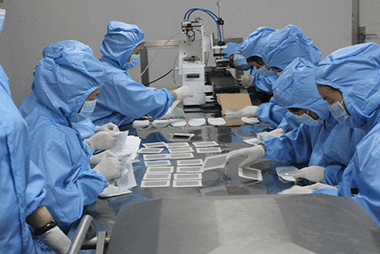

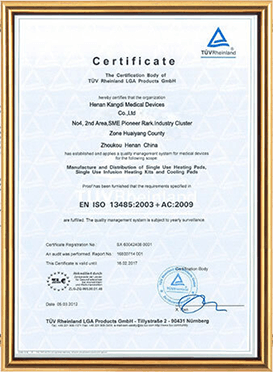
Henan Kongdy Medical Devices Co., LTD. (KONGDY) was founded in 1989 and has 37 years of production experience as of 2026 in pain relief patches, slimming patches, capsicum plasters, heat patches, cooling gel patches, detox foot patches, steam eye masks, mosquito repellent patches, and nose strips. Headquartered in Henan, China, KONGDY operates a 100,000-class GMP workshop (built 2008) and obtained ISO 13485 medical device Quality Management System European Standard Certification in 2014. The company runs OEM and ODM services for international brands across multiple regulatory pathways. For 2026 procurement evaluation, our qualification team can provide ISO 13485 certificate, GMP workshop audit reports, and reference customer case studies upon request via our contact page.


