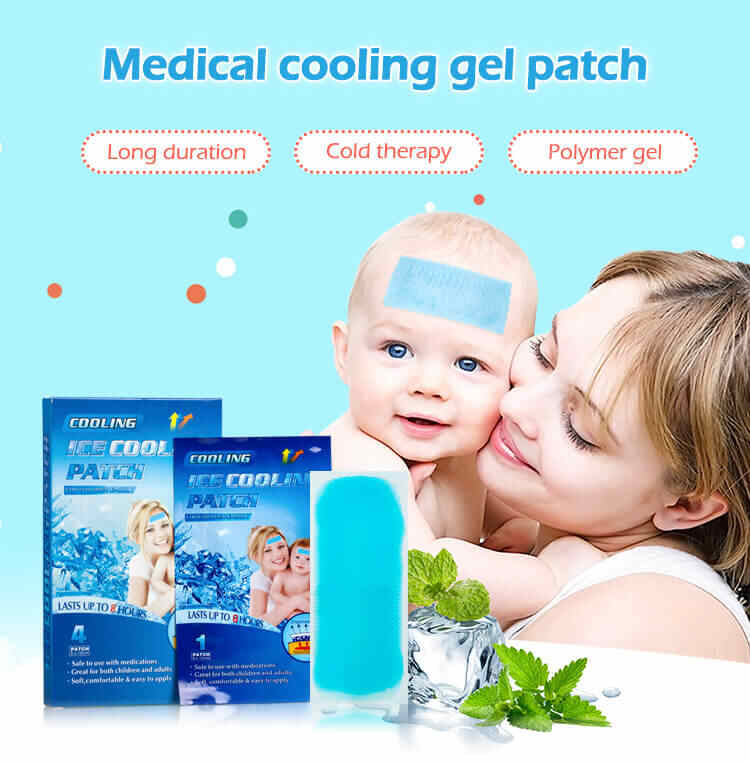
-
 KONGDY
Are Private Label Baby Cooling Fever Patches Legally Risky?
Launching baby healthcare products under your own brand can be highly profitable—but it also raises an important concern for brand owners, distributors, and importers: Are Private Label Baby Cooling Fever Patches legally risky?
Because baby cooling fever patches are applied directly to infant skin, they fall under heightened regulatory and legal scrutiny in most markets. However, legal risk is not inherent to private labeling itself. Instead, risk is determined by manufacturing standards, regulatory compliance, and supplier accountability.
This article provides an in-depth, evidence-based analysis of the legal risks associated with Private Label Baby Cooling Fever Patches, and explains how working with a qualified Baby Cooling Fever Patches Manufacturer and Baby Cooling Fever Patches OEM can significantly reduce or even eliminate those risks.
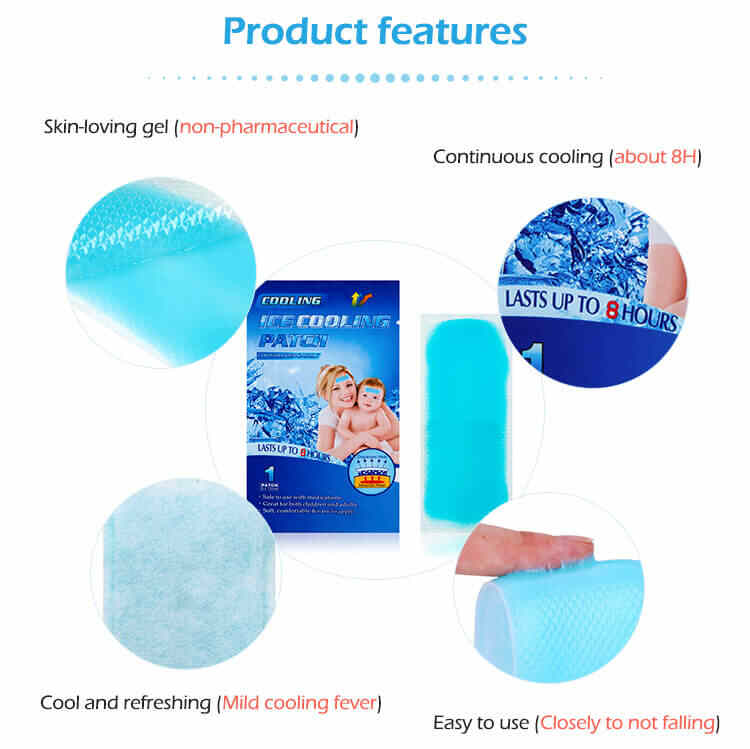
Understanding Legal Risk in Private Label Baby Cooling Fever Patches
What Does “Legally Risky” Actually Mean?
Legal risk in the context of Private Label Baby Cooling Fever Patches may include:
Product liability claims
Regulatory non-compliance penalties
Product recalls
Import/export restrictions
Consumer lawsuits related to infant safety
Because private label products carry your brand name, the legal responsibility often rests with the brand owner or importer—not the factory.
Why Baby Products Face Higher Legal Standards
Baby products are subject to stricter legal oversight because:
Infant skin is highly sensitive
Babies cannot communicate discomfort
Products are used during illness (fever)
Parents and regulators demand maximum safety
This makes the choice of Baby Cooling Fever Patches Manufacturer legally critical.
Are Private Label Baby Cooling Fever Patches Inherently Risky?
Private Labeling Is a Business Model, Not a Legal Weakness
Private labeling itself does not create legal risk. Many globally recognized baby brands operate entirely through Baby Cooling Fever Patches OEM partnerships.
Legal problems arise when:
OEM standards are weak
Regulatory responsibilities are unclear
Documentation is incomplete
Materials or claims are non-compliant
A qualified Baby Cooling Fever Patches Supplier transforms private labeling into a legally sound business model.
Key Legal Risk Areas for Private Label Baby Cooling Fever Patches
1. Product Classification and Regulatory Pathways
Different countries classify baby cooling fever patches differently:
Consumer health products
Medical devices (low-risk class)
Quasi-medical or wellness products
A professional Baby Cooling Fever Patches Manufacturer helps determine:
Correct product classification
Applicable regulations
Required registrations and filings
Misclassification is one of the largest legal risks in private labeling.
2. Material Safety and Ingredient Compliance
Legal exposure increases if materials:
Are not baby-safe
Exceed restricted substance limits
Lack proper documentation
A certified Baby Cooling Fever Patches OEM ensures:
Medical- or cosmetic-grade materials
Ingredient compliance with local laws
Full MSDS and COA availability
Material transparency protects both manufacturers and brand owners legally.
3. Manufacturing Standards and Quality Systems
Courts and regulators often examine manufacturing conditions during disputes.
A reputable Baby Cooling Fever Patches Manufacturer operates under:
GMP (Good Manufacturing Practice)
ISO 9001 / ISO 13485 systems
Documented SOPs
Without these systems, liability exposure increases significantly.
4. Labeling, Claims, and Marketing Compliance
One of the most common legal mistakes in Private Label Baby Cooling Fever Patches is over-claiming.
High-risk claims include:
“Treats fever”
“Medical cooling”
“Clinically proven” (without evidence)
A responsible Baby Cooling Fever Patches Supplier assists brands in:
Claim review
Label compliance
Market-specific wording
Correct labeling is a powerful legal risk control.
Who Is Legally Responsible: Brand or Manufacturer?
5. Legal Responsibility Often Falls on the Brand Owner
In many jurisdictions:
The brand owner
The importer of record
The distributor
are legally responsible—not the OEM factory.
This is why choosing a compliant Baby Cooling Fever Patches OEM is a legal safeguard, not just a production decision.
6. OEM Support Reduces Brand Legal Exposure
A professional Baby Cooling Fever Patches Manufacturer provides:
Regulatory guidance
Compliance documentation
Audit support
Recall preparedness
This support significantly lowers legal risk for Private Label Baby Cooling Fever Patches.
How to Minimize Legal Risk in Private Label Baby Cooling Fever Patches
7. Choose a Certified Baby Cooling Fever Patches Manufacturer
The strongest legal protection starts with factory selection.
Look for:
GMP certification
ISO quality systems
Experience in baby products
Export history to regulated markets
A reliable Baby Cooling Fever Patches Supplier understands global compliance expectations.
8. Demand Full Documentation and Traceability
For legal protection, brands should require:
Material safety data sheets
Batch traceability
Stability and shelf-life reports
Quality inspection records
Documentation becomes critical evidence if disputes arise.
9. Validate Customizations Carefully
Custom Baby Cooling Fever Patches introduce additional variables:
Size changes
Formula tweaks
Packaging modifications
A professional Baby Cooling Fever Patches OEM validates every customization through testing and documentation.
10. Establish Clear OEM Agreements
Legal risk increases without clearly defined responsibilities.
OEM contracts should specify:
Compliance obligations
Quality responsibilities
Recall procedures
Confidentiality and IP protection
Well-structured agreements protect both parties.
Legal Risk vs. Market Opportunity
11. Private Labeling Enables Faster, Safer Market Entry—When Done Right
When supported by a qualified OEM, Private Label Baby Cooling Fever Patches allow brands to:
Enter markets faster
Reduce R&D risk
Leverage proven formulations
OEM-driven compliance shifts private labeling from risky to strategic.
12. Regulatory Readiness Enhances Brand Credibility
Brands that demonstrate compliance:
Gain distributor trust
Pass retailer audits
Reduce insurance premiums
Strong OEM backing becomes a competitive advantage.
Common Legal Myths About Private Label Baby Cooling Fever Patches
Myth 1: “The OEM Is Legally Responsible”
In reality, brand owners often carry primary liability.
Myth 2: “Standard Products Are Safer Legally Than Private Label”
Safety and legality depend on manufacturing and compliance—not branding.
Myth 3: “Lower Cost OEMs Reduce Risk”
Low-cost suppliers often increase long-term legal exposure.
Conclusion: Private Label Does Not Mean High Legal Risk
So, are Private Label Baby Cooling Fever Patches legally risky?
The answer is only if they are poorly manufactured or improperly managed.
When produced by a certified Baby Cooling Fever Patches Manufacturer, supported by a professional Baby Cooling Fever Patches OEM, and supplied by a transparent Baby Cooling Fever Patches Supplier, private label products can be legally robust, compliant, and commercially successful.
Legal risk is not a function of private labeling—it is a function of OEM discipline, documentation, and compliance culture.
Frequently Asked Questions (FAQ)
Q1: Are Private Label Baby Cooling Fever Patches more legally risky than branded products?
A: No. Legal risk depends on compliance and manufacturing quality, not branding.
Q2: Who is legally responsible for private label baby products?
A: In most markets, the brand owner or importer holds primary responsibility.
Q3: Can Custom Baby Cooling Fever Patches meet FDA and CE requirements?
A: Yes, when produced by a compliant Baby Cooling Fever Patches OEM.
Q4: What is the biggest legal risk in private labeling?
A: Working with uncertified manufacturers or making non-compliant claims.
Q5: How can I reduce legal risk when launching Private Label Baby Cooling Fever Patches?
A: Choose certified OEM partners, require documentation, and ensure compliant labeling.


