-
 KONGDY
Are Certifications Mandatory for All Instant Cooling Gel Patch Suppliers?
A Complete Guide for Brands, Importers, and Private Label Buyers
When sourcing health-related consumer products, especially topical solutions like cooling gel patches, certifications are often one of the first topics raised by buyers. But are certifications mandatory for all Instant Cooling Gel Patch Suppliers? The answer is not simply yes or no—it depends on product classification, target market, claims, and regulatory jurisdiction.
For brand owners, distributors, and importers, understanding certification requirements is essential for risk control, market access, and long-term brand credibility. For every Instant Cooling Gel Patch Manufacturer or Instant Cooling Gel Patch OEM, certifications are more than paperwork—they are strategic assets.
This article provides an in-depth, authoritative analysis of whether certifications are mandatory, which certifications matter most, and how Custom Instant Cooling Gel Patch and Private Label Instant Cooling Gel Patch projects are affected across global markets.
1. What Is an Instant Cooling Gel Patch?
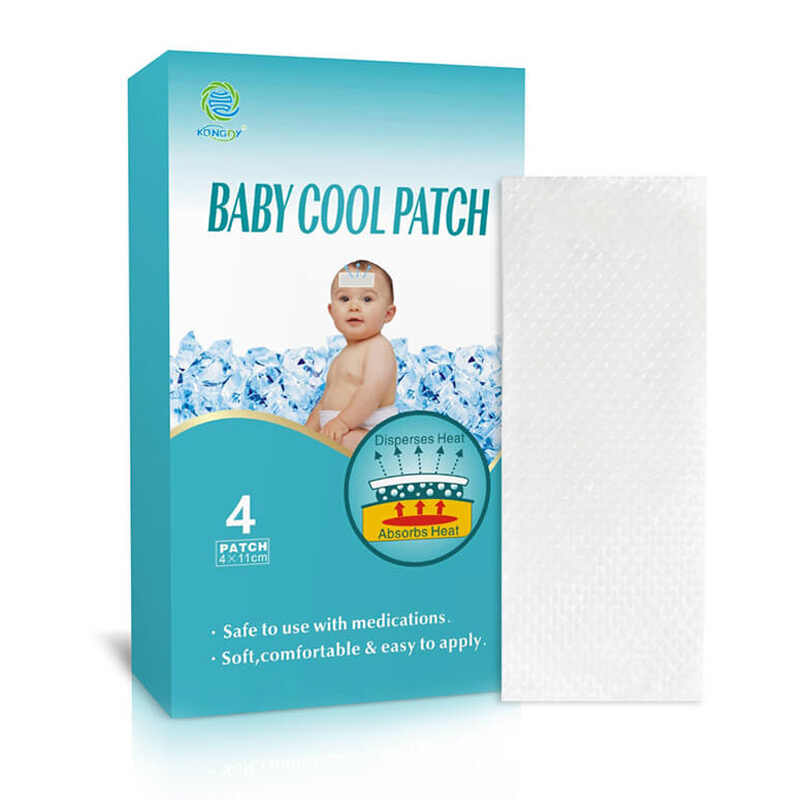
An Instant Cooling Gel Patch is a topical, non-invasive product designed to deliver a cooling sensation to the skin, commonly used for:
Fever relief
Muscle fatigue
Headaches
Sports recovery
Daily cooling comfort
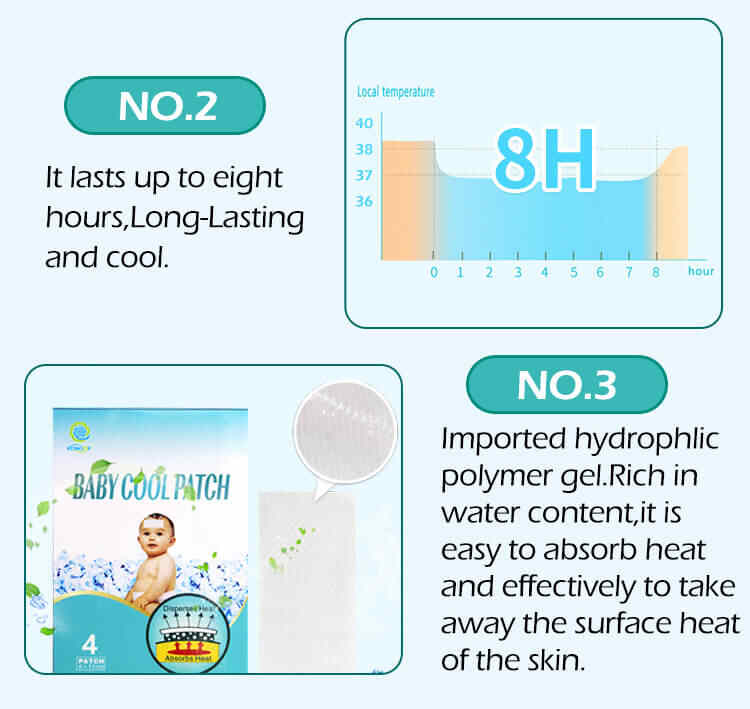
Most Instant Cooling Gel Patches work through physical cooling (water evaporation or menthol-based cooling) rather than pharmacological action. This distinction plays a critical role in determining regulatory and certification requirements.
2. Are Certifications Mandatory for All Instant Cooling Gel Patch Suppliers?
The Short Answer: Not Always, But Often Necessary
Certifications are not universally mandatory for every Instant Cooling Gel Patch Supplier, but in practice, most serious markets and buyers require them.
Whether certifications are mandatory depends on:
Product classification (medical device, cosmetic, or consumer good)
Market of sale (USA, EU, Middle East, Asia, etc.)
Marketing claims (medical vs. comfort claims)
Distribution channels (retail, pharmacy, hospital, e-commerce)
Buyer requirements (retailers, distributors, regulatory authorities)
In other words, certifications may not be legally mandatory in every case, but commercially and strategically, they are often unavoidable.
3. Why Certifications Matter for an Instant Cooling Gel Patch Manufacturer
From a buyer’s perspective, certifications provide three layers of value:
3.1 Regulatory Compliance
Certifications help demonstrate that a product complies with:
Safety standards
Quality management systems
Manufacturing best practices
3.2 Market Access
Many markets block imports without proper certification or documentation, especially for:
Pharmacy channels
Supermarkets
Government tenders
Medical distributors
3.3 Brand Trust & Risk Reduction
For Private Label Instant Cooling Gel Patch brands, certifications:
Reduce legal and recall risks
Increase consumer confidence
Strengthen distributor relationships
This is why experienced Instant Cooling Gel Patch OEM partners proactively invest in certification systems—even when not strictly required by law.
4. Mandatory vs. Optional Certifications: Understanding the Difference
Mandatory Certifications
These are required by law or regulation in certain markets or product categories.
Optional (But Highly Recommended) Certifications
These are not legally required but are often demanded by buyers, platforms, or retailers.
For a competitive Instant Cooling Gel Patch Supplier, optional certifications frequently become commercially mandatory.
5. Common Product Classifications and Their Certification Implications
5.1 As a General Consumer Product
If the Instant Cooling Gel Patch:
Makes no medical claims
Is marketed as comfort or cooling relief
Uses safe, cosmetic-grade ingredients
Certifications may be minimal, but quality system certifications are still expected.
5.2 As a Medical Device
If the product claims:
Fever reduction
Therapeutic relief
Medical functionality
Then medical device regulations apply, making certifications mandatory in most markets.
5.3 As a Cosmetic or Personal Care Product
In some regions, cooling gel patches fall under cosmetic frameworks, triggering:
Ingredient compliance
Safety assessments
GMP requirements
6. Key Certifications for Instant Cooling Gel Patch Suppliers
6.1 ISO 9001 – Quality Management System
Mandatory?
Not legally mandatory
Commercially expected
ISO 9001 demonstrates that an Instant Cooling Gel Patch Manufacturer operates under a structured quality management system.
Why it matters:
Ensures consistent production
Reduces defect rates
Builds buyer confidence
For Private Label Instant Cooling Gel Patch projects, ISO 9001 is often a baseline requirement.
6.2 ISO 13485 – Medical Device Quality Management
Mandatory?
Mandatory if the product is classified as a medical device in many markets
ISO 13485 is critical for:
Fever cooling patches
Pediatric or hospital-use products
Products making medical claims
A certified Instant Cooling Gel Patch OEM with ISO 13485 is far better positioned to support FDA, CE, or other medical registrations.
6.3 GMP (Good Manufacturing Practice)
Mandatory?
Mandatory in many regions
Always expected by serious buyers
GMP ensures:
Hygienic production
Ingredient traceability
Controlled manufacturing environments
Without GMP, an Instant Cooling Gel Patch Supplier is often excluded from:
Pharmacy channels
Large retail chains
Government procurement
6.4 FDA Registration (United States)
Mandatory?
Depends on classification
If an Instant Cooling Gel Patch is marketed as a medical device, FDA establishment registration and listing are mandatory.
If it is marketed as a general consumer cooling product, FDA registration may not be required, but:
Buyers often expect FDA-compliant manufacturing
Amazon and distributors increasingly request FDA-related documentation
A professional Instant Cooling Gel Patch OEM typically supports FDA compliance readiness.
6.5 CE Marking (European Union)
Mandatory?
Mandatory if classified as a medical device
CE marking demonstrates conformity with EU safety, health, and environmental standards.
For Custom Instant Cooling Gel Patch projects targeting Europe:
CE is often essential
Technical documentation and risk analysis are required
6.6 MSDS / SDS (Material Safety Data Sheet)
Mandatory?
Often mandatory for logistics, customs, and platforms
SDS documents:
Ingredient safety
Handling instructions
Transport compliance
Any reliable Instant Cooling Gel Patch Supplier should provide updated SDS documentation.
6.7 Product Testing Reports
Examples:
Skin irritation tests
Stability tests
Microbiological tests
Mandatory?
Not always legally required
Strongly recommended and often buyer-mandated
Testing reports are especially important for:
Baby or sensitive-skin patches
Long-duration cooling patches
Export markets
7. Certification Requirements for Custom and Private Label Projects
7.1 Custom Instant Cooling Gel Patch Development
Customization may involve:
New formulas
Different cooling intensities
New substrates or adhesives
Each customization can affect:
Safety profiles
Regulatory classification
Certification scope
An experienced Instant Cooling Gel Patch OEM helps evaluate whether new certifications or testing are required.
7.2 Private Label Instant Cooling Gel Patch Branding
For private label buyers:
Certifications often must be issued in the manufacturer’s name
But documentation must support the buyer’s brand registration
This is why choosing a well-certified Instant Cooling Gel Patch Manufacturer reduces:
Time to market
Regulatory uncertainty
Compliance costs
8. Are Certifications the Same in All Countries?
Absolutely not.
Examples:
USA: FDA registration depends on claims
EU: CE marking applies to medical devices
Middle East: GCC or local MOH approvals often required
Asia: Country-specific import and safety standards
A globally experienced Instant Cooling Gel Patch Supplier understands how certifications differ by market and can guide buyers accordingly.
9. Risks of Working with an Uncertified Instant Cooling Gel Patch Supplier
Choosing a supplier without adequate certifications may result in:
Customs clearance failures
Product recalls
Platform delisting (Amazon, Shopee, Lazada)
Legal liability
Brand reputation damage
For long-term brand growth, certifications are not a cost—they are insurance.
10. How to Verify Certifications from an Instant Cooling Gel Patch OEM
Before合作, buyers should:
Request valid certificates (not expired)
Verify issuing bodies
Match scope to product type
Confirm factory address consistency
Request audit or inspection reports if needed
A transparent Instant Cooling Gel Patch Manufacturer will welcome verification.
11. Strategic Perspective: Certifications as a Competitive Advantage
For leading Instant Cooling Gel Patch OEM suppliers:
Certifications enable premium pricing
Support international expansion
Attract serious, long-term buyers
Reduce compliance friction
For brands, certifications transform products from commodities into trusted solutions.
12. Conclusion: Are Certifications Mandatory for All Instant Cooling Gel Patch Suppliers?
Legally? Not always.
Practically? In most professional markets—yes.
In today’s global supply chain:
Certifications are essential for credibility
They accelerate market access
They protect brands and consumers alike
Choosing a well-certified Instant Cooling Gel Patch Supplier is not just about compliance—it is about sustainable business success.
Frequently Asked Questions (FAQ)
Q1: Are certifications legally required for every Instant Cooling Gel Patch Manufacturer?
A: Not always, but many markets and buyers require them in practice.
Q2: Is ISO 13485 necessary for all Instant Cooling Gel Patch OEMs?
A: Only if the product is classified as a medical device or makes medical claims.
Q3: Can I sell a Private Label Instant Cooling Gel Patch without FDA registration?
A: Yes, if it is marketed as a non-medical consumer product, but many buyers still prefer FDA-compliant manufacturers.
Q4: Do custom formulations require new certifications?
A: Sometimes. Changes in ingredients or claims may trigger additional testing or documentation.
Q5: What is the minimum certification set I should look for in a supplier?
A: ISO 9001, GMP, SDS, and relevant product testing reports.
Q6: Do certifications help with faster market entry?
A: Absolutely. Certified Instant Cooling Gel Patch Suppliers reduce regulatory delays and approval risks.


