-
 KONGDY
Private Label Pain Patch Business Startup Guide for Entrepreneurs
Introduction
Starting a private label pain patch business is an exciting opportunity in the growing wellness industry. With minimal startup costs and high demand for pain relief products, entrepreneurs can build successful brands with the right strategy. This comprehensive guide covers everything you need to know in 2026.
Why Start a Private Label Pain Patch Business
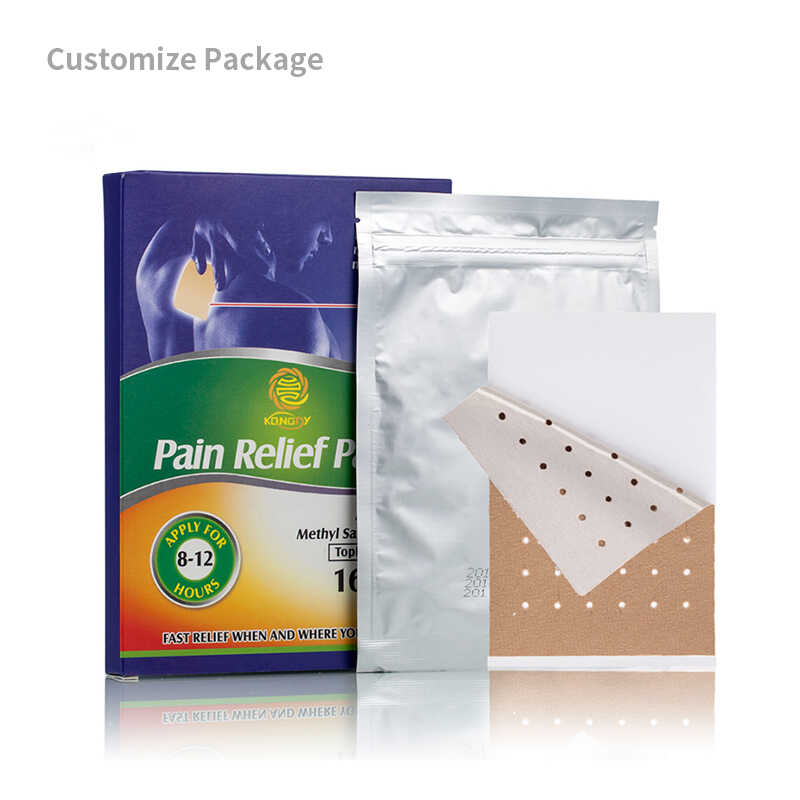
The pain relief market offers compelling advantages:
- Growing demand: $8+ billion global market
- Recurring customers: Pain relief is a repeat purchase category
- High margins: Private label pricing advantages
- Low barrier to entry: OEM manufacturing eliminates need for own factory
- Flexible branding: Create unique brand identity
Step 1: Market Research
Before launching, understand your market:
Target Audience Analysis
- Age demographics (typically 35+)
- Lifestyle factors (athletes, workers, elderly)
- Geographic considerations
- Price sensitivity levels
Competitive Landscape
- Identify major competitors
- Analyze their product offerings
- Find market gaps and opportunities
- Differentiate your brand positioning
Step 2: Business Planning
Create a solid business plan:
Financial Projections
| Cost Item | Estimated Cost |
|---|---|
| Initial inventory (500 units) | $1,500-3,000 |
| Custom packaging design | $500-1,500 |
| Website development | $500-2,000 |
| Marketing and advertising | $1,000-5,000 |
| Total startup costs | $3,500-12,000 |
Revenue Projections
- Target 40-60% gross margins
- Break-even typically within 6 months
- Scale as you grow
Step 3: Product Development
Choose Product Type
- Menthol cooling patches: Popular, drug-free option
- Capsicum warming patches: Deep heat therapy
- Combination formulas: Multi-benefit products
- Herbal formulations: Natural positioning
Packaging Design
- Eye-catching graphics
- Clear product benefits
- Brand consistency
- Retail-friendly packaging
Step 4: Find OEM Manufacturing Partner
Select the right manufacturer:
- Verify certifications (ISO 13485, FDA registered)
- Check production capacity and lead times
- Request samples before commitment
- Evaluate communication and support
- Compare pricing and minimum order quantities
Step 5: Regulatory Compliance
Ensure your products meet requirements:
- FDA compliance for US market
- CE marking for European market
- Local health authority registrations
- Labeling compliance
- Claims substantiation
Step 6: Sales Channels
Online Sales
- Your own e-commerce website
- Amazon, eBay, Etsy
- Health and wellness platforms
Retail Distribution
- Health food stores
- Pharmacies
- Sporting goods stores
- Specialty retailers
Step 7: Marketing Strategy
Digital Marketing
- SEO-optimized product content
- Social media marketing
- Influencer partnerships
- Email marketing campaigns
Content Marketing
- Blog posts about pain management
- Educational videos
- Customer testimonials
- Expert endorsements
Why Partner with KONGDY Medical
KONGDY Medical supports your private label journey:
- Low minimum order quantities
- Complete customization options
- Quality-certified manufacturing
- Competitive pricing structure
- Dedicated account management
Conclusion
Starting a private label pain patch business requires careful planning but offers significant rewards. With quality manufacturing partners like KONGDY Medical, entrepreneurs can launch successful brands in this growing market. Contact KONGDY Medical to start your private label journey!


