-
 KONGDY
OEM Pain Patch Manufacturing Process - Complete Guide for Buyers
Introduction
Understanding the OEM pain patch manufacturing process is essential for businesses looking to bring high-quality transdermal pain relief products to market. This comprehensive guide walks you through each stage of manufacturing from raw materials to finished products in 2026.
Raw Material Sourcing
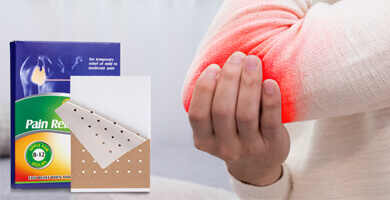
The foundation of quality pain patches begins with material selection:
- Active pharmaceutical ingredients (APIs): Menthol, capsaicin, camphor, or herbal extracts
- Adhesive matrix: Medical-grade pressure-sensitive adhesives
- Backing materials: Non-woven fabric, foam, or polymer films
- Release liners: Silicone-coated paper or film
- Packaging materials: Moisture-resistant, tamper-evident packaging
Formulation Development
Creating the optimal pain patch formulation involves:
1. Active Ingredient Selection
Choose the right active compounds based on target indications:
- Cooling relief: Menthol-based formulations
- Warming relief: Capsicum or ginger extracts
- Combined therapy: Multi-ingredient blends
2. Adhesive Matrix Design
The adhesive system must balance:
- Skin adhesion strength
- Drug compatibility and release rate
- Skin comfort and breathability
- Duration of wear
3. Penetration Enhancers
Improve drug delivery through:
- Chemical enhancers (terpenes, fatty acids)
- Physical enhancement methods
- Microemulsion systems
Manufacturing Process Steps
Step 1: Material Preparation
Begin with quality-controlled raw materials:
- Incoming material inspection and testing
- Storage under controlled conditions
- Pre-treatment if required
Step 2: Adhesive Mixing
Prepare the adhesive matrix:
- Weigh and measure ingredients precisely
- Mix under controlled temperature
- Ensure homogeneous distribution of actives
- Quality check for consistency
Step 3: Coating Process
Apply adhesive to backing material:
- Precision coating equipment
- Controlled coating weight
- Uniform thickness across width
- Solvent recovery systems (if applicable)
Step 4: Drying and Curing
Remove solvents and cure the adhesive:
- Controlled temperature drying tunnels
- Proper airflow management
- Residual solvent testing
Step 5: Lamination
Apply release liner:
- Precision lamination equipment
- Ensure bubble-free application
- Quality inspection for defects
Step 6: Die Cutting
Cut patches to final shape:
- Custom die designs
- Various shapes and sizes
- Waste material recycling
Step 7: Packaging
Package finished products:
- Individual sealed pouches
- Multi-pack options
- Labeling with required information
- Quality check before shipment
Quality Control Measures
| Test | Specification | Method |
|---|---|---|
| Drug content | 90-110% of label | HPLC |
| Adhesion | 1.0-3.0 N/25mm | Peel test |
| Content uniformity | RSD <5% | Sampling |
| Moisture content | <3% | KF titration |
Certification Requirements
Ensure your manufacturer holds:
- ISO 13485 quality management certification
- FDA drug establishment registration
- CE marking (for European markets)
- GMP compliance documentation
Why Partner with KONGDY Medical
KONGDY Medical offers comprehensive OEM manufacturing:
- State-of-the-art production facilities
- Complete quality control systems
- Flexible batch sizes
- Competitive pricing
- Full regulatory support
Conclusion
Understanding the OEM pain patch manufacturing process helps you make informed decisions when selecting a manufacturing partner. KONGDY Medical provides end-to-end manufacturing solutions with quality assurance. Contact KONGDY Medical for your OEM pain patch manufacturing needs!


