
-
 KONGDY
Transdermal Patch Adhesive Technology Explained - Science of Skin Adhesion
Introduction
Transdermal patch adhesive technology is crucial for ensuring effective drug delivery and patient comfort. The adhesive system used in pain patches must balance multiple requirements including skin adhesion, drug compatibility, and wearer comfort. This guide explains the science behind adhesive technology in 2026.
Understanding Adhesive Fundamentals
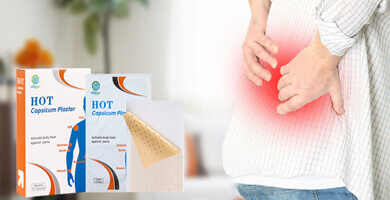
Pressure-sensitive adhesives (PSAs) work through several mechanisms:
1. Molecular Interactions
- Van der Waals forces: Weak intermolecular attractions
- Hydrogen bonding: Stronger interactions with skin proteins
- Mechanical interlocking: Adhesive flows into skin pores and textures
2. Rheological Properties
The adhesive flow behavior affects:
- Initial tack (immediate bond formation)
- Creep resistance (resistance to flow under pressure)
- Cohesive strength (internal bond strength)
Key Adhesive Types for Pain Patches
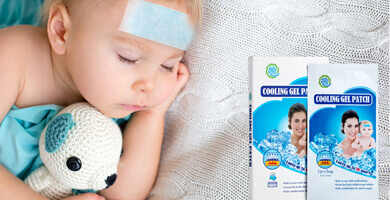
1. Acrylic Adhesives
Most common for transdermal patches:
- Excellent skin compatibility
- Good moisture resistance
- Wide temperature range stability
- Drug compatibility with many APIs
2. Silicone Adhesives
Premium choice for sensitive skin:
- Extremely gentle on skin
- Lowest irritation potential
- Good breathability
- Higher cost
3. Rubber-Based Adhesives
Cost-effective option:
- Strong initial adhesion
- Good for short-wear products
- May cause skin irritation
- Limited drug compatibility
4. Hydrogel Adhesives
Advanced formulation:
- High moisture content
- Cooling sensation
- Good for hydrated skin
- Complex manufacturing
Critical Adhesive Performance Parameters
| Parameter | Target Range | Test Method |
|---|---|---|
| Peel adhesion | 1.0-3.0 N/25mm | ASTM D3330 |
| Shear strength | >500 min | ASTM D3654 |
| Tack (loop) | 5-15 N/25mm | ASTM D6195 |
| 180-degree peel | 1.5-4.0 N/25mm | ASTM D903 |
Factors Affecting Adhesive Performance
Environmental Factors
- Temperature: Adhesive softens at high temperatures
- Humidity: Moisture can reduce adhesion
- Skin condition: Oily or hairy skin affects adhesion
Skin Interaction
- Skin hydration level
- Surface oils and lotions
- Hair presence
- Skin elasticity
Wear Duration
- Short-term (hours): Higher adhesion possible
- Extended wear (24h+): Lower adhesion needed for comfort
- Repeated application: Skin sensitivity increases
Drug-Adhesive Compatibility
Critical considerations for drug delivery:
- Solubility: Drug must be compatible with adhesive system
- Migration: Drug movement within adhesive matrix
- Stability: Chemical compatibility over shelf life
- Release rate: Drug diffusion from adhesive
Skin Safety Considerations
Minimize skin irritation through:
- Hypoallergenic adhesive selection
- Breathable backing materials
- Appropriate wear duration
- Skin testing protocols
- Moisturizing additives
Manufacturing Quality Control
Ensure consistent adhesive performance:
- Incoming material testing
- Process parameter monitoring
- Finished product testing
- Stability studies
- Shelf life validation
KONGDY Medical Adhesive Technology
KONGDY Medical utilizes advanced adhesive systems:
- Medical-grade pressure-sensitive adhesives
- Multiple adhesive options for different needs
- Comprehensive compatibility testing
- Quality-certified manufacturing
Conclusion
Understanding transdermal patch adhesive technology is essential for developing effective pain relief products. The right adhesive system balances adhesion strength, skin comfort, and drug compatibility. Partner with KONGDY Medical for expert adhesive technology solutions. Contact KONGDY Medical for adhesive technology support!


