-
 KONGDY
How to Start Your Own Private Label Hot Patch Business from Scratch in 2026
Introduction
Starting a private label hot patch business is one of the most accessible entry points into the $50 billion global pain relief market. With minimal upfront inventory risk and the ability to build a recognizable brand, entrepreneurs worldwide are tapping into this opportunity. This comprehensive guide walks you through every step of launching your own private label hot patch brand in 2026, from market research to your first purchase order.
Why Hot Patches? Market Opportunity in 2026

The transdermal pain relief market is experiencing unprecedented growth, driven by aging population, work-from-home injuries, sports fitness boom, and consumer preference for natural alternatives. Private label hot patches offer entrepreneurs a low-risk pathway to enter this market with margins ranging from 200-400%.
Step 1: Define Your Brand Positioning
Before approaching manufacturers, establish your brand identity. Target markets include premium wellness (yoga practitioners, fitness enthusiasts), budget-friendly mass market, medical/professional (physiotherapy clinics), and elderly care for arthritis relief. Focus on product differentiation through unique formulations, sustainable packaging, custom shapes, and family-friendly options.
Step 2: Source Your OEM Manufacturer
Partnering with the right OEM manufacturer is critical. Essential certifications include ISO 13485 for medical device quality, FDA registration for US market, CE marking for EU compliance, and GMP certification. Most manufacturers require MOQs of 5,000-20,000 units per SKU. Start with 2-3 core products to minimize initial investment and consider negotiating MOQ flexibility.
Step 3: Product Development Specifications
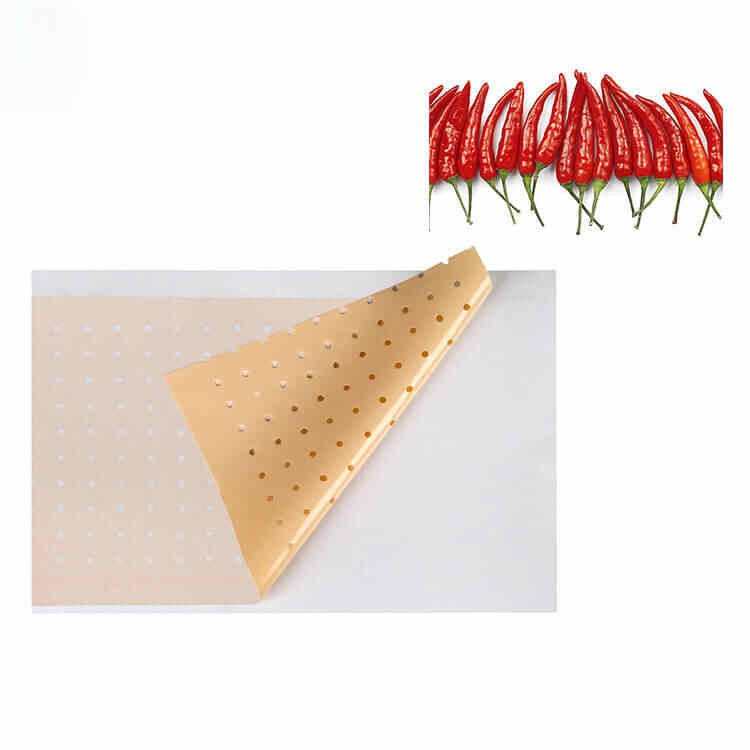
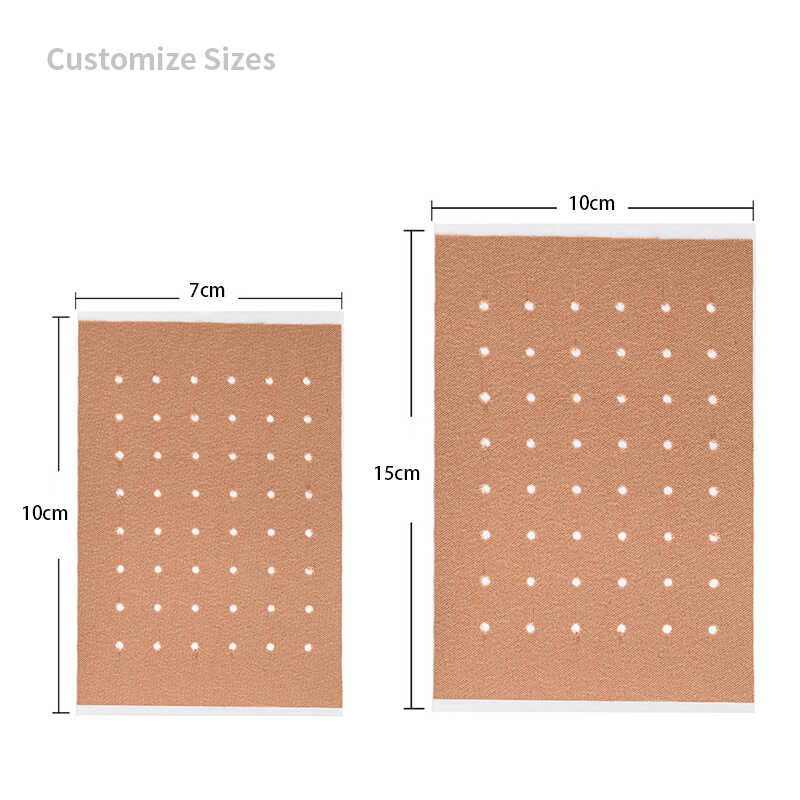
Define your product specifications with your manufacturer: active ingredients (capsaicin 0.025%-0.1%), heat generation (38-45C, 8-12 hours), adhesive properties, size options (small/medium/large), and packaging requirements.
Step 4: Branding and Packaging Design
Your packaging creates the first physical impression. Key elements include logo and brand colors for visual consistency, clear usage instructions in multiple languages, required warning labels and regulatory disclaimers, and sustainability messaging.
Step 5: Compliance and Regulatory Requirements
Address regulatory needs for your target markets: FDA registration and labeling compliance (21 CFR 801) for United States, CE marking under MDR 2017/745 for European Union, UKCA marking and MHRA registration for United Kingdom, Health Canada license and bilingual labeling for Canada.
Step 6: Pricing Strategy and Financial Planning
Typical cost breakdown: OEM manufacturing $0.35-0.60/unit for 10,000 units, custom packaging $0.15-0.30/unit, shipping $0.05-0.10/unit. Landed cost total $0.55-1.00/unit supports retail pricing of $3.00-8.00/unit.
Why Partner with KONGDY Medical?
- 35+ years of experience in transdermal patch manufacturing
- ISO 13485 certified factory meeting international quality standards
- Complete OEM/ODM services from formula development to packaging
- Competitive pricing with flexible MOQ options
- Professional R&D team for custom formulation development
- Reliable delivery with on-time shipping guarantees
Conclusion
Launching a private label hot patch business requires careful planning but offers substantial rewards. Focus on quality certifications, clear brand positioning, and partnerships with experienced manufacturers. Start with a focused product line, validate market response, then expand. Contact KONGDY Medical today for a free consultation on your private label hot patch venture!
Ready to start your hot patch business? Contact KONGDY Medical today for OEM manufacturing support!


