
-
 KONGDY
Understanding Pain Patch Shelf Life and Storage Requirements in 2026
Introduction
Proper storage and understanding of shelf life are crucial for maintaining pain patch efficacy and safety. Whether you are a retailer, distributor, or end consumer, knowing how to store pain patches correctly ensures maximum benefit. This comprehensive guide covers everything about pain patch shelf life and storage requirements in 2026.
What Determines Pain Patch Shelf Life?
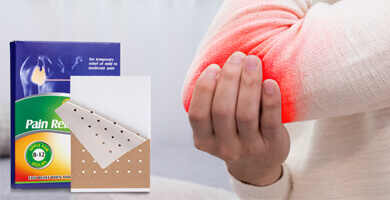
Several factors influence how long pain patches remain effective:
- Active ingredients: Menthol, capsaicin, and other compounds degrade over time
- Adhesive properties: Backing materials weaken with age
- Packaging integrity: Seals protect against moisture and air
- Storage conditions: Temperature and humidity accelerate or slow degradation
- Manufacturing date: Freshness at purchase affects usable lifespan
Typical Shelf Life Ranges
Most pain patches have these general shelf life guidelines:
| Patch Type | Typical Shelf Life | Optimal Storage |
|---|---|---|
| Menthol patches | 2-3 years | Cool, dry place |
| Capsicum plasters | 1-2 years | Away from heat |
| Cooling gel patches | 2 years | Sealed packaging |
| Multi-ingredient patches | 1-2 years | Temperature controlled |
Proper Storage Conditions
Store your pain patches correctly to maintain efficacy:
Ideal Storage Environment
- Temperature: 15-25C (59-77F) is optimal
- Humidity: Keep below 60% relative humidity
- Light: Store in dark or opaque containers
- Air exposure: Keep sealed until ready to use
Areas to Avoid
- Bathrooms (high humidity)
- Windowsills (direct sunlight)
- Car glove compartments (temperature extremes)
- Near heating vents (heat accelerates degradation)
Signs of Expired or Degraded Patches
Before using, check for these warning signs:
- Color changes: Discoloration indicates ingredient breakdown
- Odor changes: Loss of characteristic scent suggests degradation
- Texture changes: Dried out or overly moist patches may not work
- Adhesive failure: Weak adhesive means poor skin contact
- Packaging damage: Torn or bulging wrappers compromise integrity
Impact on Efficacy
Using expired patches may result in:
- Reduced pain relief effectiveness
- Slow or absent warming/cooling sensation
- Skin irritation from degraded ingredients
- Poor adhesive causing patch falling off
Retail Storage Best Practices
For retailers and distributors:
- Rotate stock using FIFO (first in, first out) method
- Maintain climate-controlled storage facilities
- Keep products in original packaging until sale
- Regularly inspect inventory for damage
- Document lot numbers and expiration dates
Consumer Guidelines
Tips for end consumers:
- Check expiration date before purchase
- Store in medicine cabinet or closet
- Keep individual patches sealed until use
- Do not freeze unless specifically instructed
- Dispose of expired patches properly
Why Choose KONGDY Medical Products
KONGDY Medical ensures product quality:
- Long shelf life backed by stability testing
- Professional packaging that protects ingredients
- Clear expiration dates on all products
- Quality certification from ISO 13485 facilities
Conclusion
Understanding pain patch shelf life and storage requirements ensures you get the best results from your products. Proper storage extends effectiveness and maintains safety. Purchase from reputable sources like KONGDY Medical for quality-assured pain patches. Contact KONGDY Medical for high-quality pain patches with guaranteed shelf life!


