-
 KONGDY
Mosquito Repellent Patches: OEM Manufacturing and Global Market Opportunities
Mosquito Repellent Patches: OEM Manufacturing and Global Market Opportunities
The global demand for mosquito protection products continues to grow dramatically as awareness of mosquito-borne diseases increases and consumers seek convenient, DEET-free alternatives for personal protection. Mosquito repellent patches represent a particularly interesting segment combining innovation with accessibility, offering brands significant market opportunities.
For brands considering entry into this expanding market, understanding mosquito repellent patch manufacturing and working with the right mosquito repellent patch OEM is essential for developing successful products and building sustainable brands.

Understanding Mosquito Repellent Patches
Mosquito repellent patches are small, typically adhesive products that release repellent compounds into the surrounding air or through skin contact. Unlike traditional spray or lotion applications, patches offer completely mess-free application and sustained release over extended periods.
The convenience factor drives significant consumer appeal. Patches can be applied to clothing, bags, or skin without special preparation or concern about residue. They are particularly popular for outdoor activities, travel, and use by children where traditional products may be impractical.
A quality mosquito repellent patch manufacturer can produce effective products using various technologies and active ingredients to meet different market requirements.
Active Ingredients and Technologies
The effectiveness of mosquito repellent patches depends significantly on the active ingredients used. Understanding these options helps in making informed formulation decisions.
Natural Ingredient Options
Growing consumer preference for natural and organic products drives demand for plant-based repellents. Several natural ingredients have demonstrated effectiveness:
Citronella oil provides proven repellent properties with a distinctive citrus scent. It has been used for centuries and remains popular despite requiring more frequent reapplication than synthetic alternatives.
Eucalyptus oil, particularly lemon eucalyptus (containing PMD), provides effective natural protection. It is one of the few natural ingredients with clinical evidence supporting efficacy comparable to DEET.
Lavender offers pleasant fragrance with moderate repellent properties. While less effective than other options, its appeal to consumers seeking natural products makes it popular.
Neem oil has traditional use in mosquito control and provides moderate repellent effects. It is often combined with other ingredients for enhanced efficacy.
Lemongrass and other essential oils contribute to formulations while providing pleasant aromas. These are typically used in combinations rather than as standalone repellents.
Your mosquito repellent patch supplier can formulate products using these natural ingredients to meet demand for clean-label products.
Synthetic Repellent Options
Synthetic repellents offer longer-lasting protection and higher efficacy, though they face increasing consumer resistance due to chemical concerns:
DEET remains the gold standard for repellent effectiveness, providing long-lasting protection against various mosquito species. However, consumer concerns about chemical exposure have driven demand for alternatives.
Picaridin provides effective protection with better skin tolerance than DEET. It is odorless and non-greasy, making it appealing for daily use.
IR3535 offers another synthetic alternative with good efficacy and skin compatibility. It is widely used in European markets.
Physical Barrier Technology
Some patches work through physical mechanisms rather than chemical repellents:
Essential oil combinations that create unfavorable conditions for mosquitoes through scent masking represent one approach. Herbal combinations that mask human scent from mosquito sensory systems provide another option.
These approaches are typically less effective than direct repellents but appeal to consumers seeking chemical-free alternatives.
Manufacturing Process
Professional mosquito repellent patch manufacturing involves several critical stages, each requiring specialized expertise and quality control.
Formulation Development
Creating effective repellent formulations requires balancing efficacy, safety, stability, and consumer appeal. This stage determines which active ingredients will be used, at what concentrations, and combined with what carrier systems.
Reputable manufacturers conduct efficacy testing to verify formulation performance under controlled conditions before proceeding to production.
Adhesive Preparation
Quality mosquito repellent patch manufacturers use skin-safe adhesives that maintain adhesion while allowing controlled release of active ingredients. This balance is critical—adhesives that release too quickly may cause skin irritation, while those that release too slowly may provide inadequate protection.
Coating and Lamination
The formulation is applied to backing material using precision coating equipment. This process requires careful control to ensure uniform distribution and proper adhesion between layers.
Lamination adds protective layers that control evaporation rate and protect the active ingredients during storage.
Cutting and Packaging
Patches are cut to specified dimensions and individually sealed in packaging that maintains efficacy until use. Packaging materials must provide barrier properties that prevent active ingredient loss during storage.
Quality testing verifies packaging integrity and confirms shelf-life requirements are met.
Quality Control
Comprehensive testing verifies repellent efficacy through controlled mosquito exposure testing, skin compatibility through dermatological testing, adhesion performance under various conditions, and packaging integrity through accelerated aging tests.
Product Formats
The mosquito repellent patch category encompasses several distinct product formats, each with specific advantages.
Adhesive Patches
The most common format—small adhesive patches that stick to clothing or skin. They are disposable after single use and typically provide protection for several hours.
Patches can be applied to collars, sleeves, pant legs, or directly to skin. This versatility makes them popular for various activities.
Wristbands and Anklets
Wearable formats provide continuous protection without adhesive concerns. These are particularly popular for outdoor activities where patches might fall off during physical activity.
Wristbands can be reused by replacing refills, reducing ongoing costs for consumers.
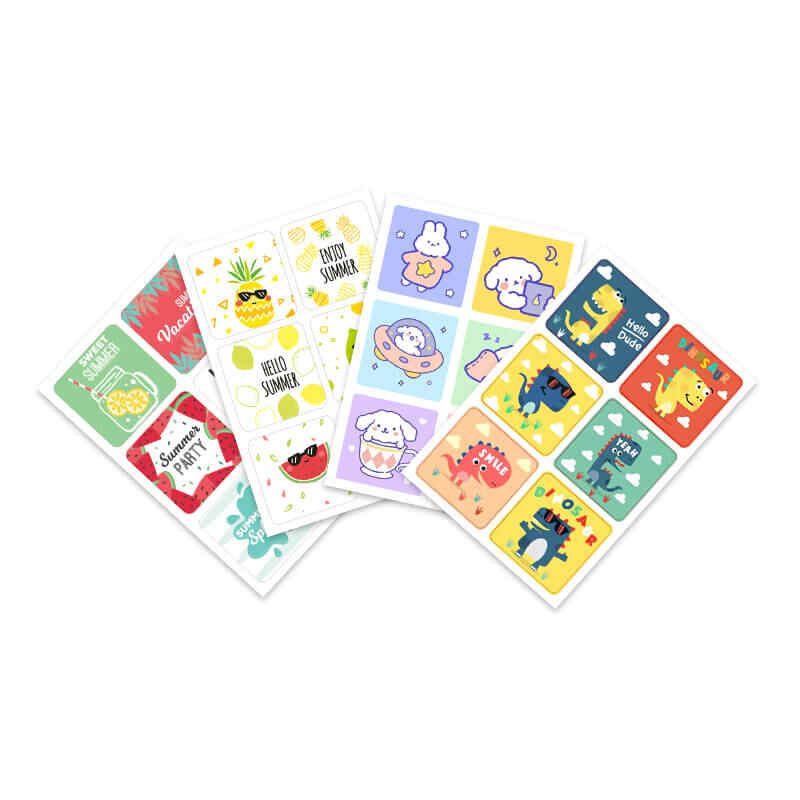
Stickers
Lightweight options suitable for application to bags, strollers, and clothing. These are particularly popular for child applications where patches might be removed if applied directly to skin.
Stickers often feature colorful designs that appeal to children while providing protection.
Clips and Pins
Reusable formats that attach to clothing or bags using clips, pins, or magnets. These more environmentally friendly options appeal to sustainability-conscious consumers.
Refillable designs reduce ongoing costs and packaging waste.
Target Markets and Applications
Mosquito repellent patches serve diverse markets and applications worldwide.
Tropical Regions
Markets in tropical regions including Southeast Asia, parts of Latin America, and sub-Saharan Africa represent significant opportunities. Year-round mosquito pressure creates consistent demand, and disease awareness drives adoption.
Outdoor Recreation
Hikers, campers, fishermen, and other outdoor enthusiasts constitute major market segments. These consumers value convenience and are willing to pay premium prices for effective protection.
Family and Child Products
Parents seek gentle, easy-to-use protection for children. Patches provide ideal solutions for kids who resist spray applications or have sensitive skin.
Child-Specific Formulations
Many manufacturers develop formulations specifically optimized for children's lower body weights and sensitive skin. These products typically use lower concentrations of active ingredients or focus on natural alternatives.
Travel Retail
Travelers visiting mosquito-prone destinations represent significant demand. Airports, travel retailers, and destination stores feature prominent mosquito product displays.
Military and Professional Use
Professional applications in military, emergency services, and outdoor work create stable demand. These users require high-efficacy products with proven performance.
Certifications and Regulatory Requirements
Market access requires navigating various regulatory frameworks depending on target markets.
US Market Requirements
The Environmental Protection Agency (EPA) regulates mosquito repellents in the United States. Products must be registered with the EPA and include appropriate labeling. Active ingredients must be approved for use in repellent products.
Natural products may qualify for reduced registration requirements if they meet specific criteria, but efficacy claims must still be supported.
European Market Requirements
REACH (Registration, Evaluation, Authorisation and Restriction of Chemicals) compliance is required for the European Union. This involves registration of substances and compliance with usage restrictions.
Biocidal Products Regulation (BPR) applies to certain repellent products, requiring specific approvals for active substances.
Certification Considerations
Many markets appreciate or require certifications demonstrating product safety and efficacy. Consider obtaining natural certifications for products using botanical ingredients, organic certifications where applicable, and dermatological testing documentation for skin compatibility claims.
Working with an OEM Manufacturer
Successful product development requires effective collaboration with your manufacturing partner.
Selecting Your Partner
When evaluating potential manufacturers, consider their experience with repellent formulations, available certifications for your target markets, production capacity and scalability, quality control systems, and ability to support your specific requirements.
Formulation Collaboration
Work with your manufacturer to select ingredients appropriate for your target market. Consider efficacy requirements, consumer preferences for natural vs. synthetic ingredients, regulatory requirements, and cost constraints.
A quality mosquito repellent patch supplier should provide guidance based on experience across multiple markets.
Testing and Validation
Conduct efficacy testing to verify product performance before full production. This is particularly important for new formulations or products targeting specific mosquito species.
Market Opportunities and Trends
Several trends are shaping the mosquito repellent patch market and creating opportunities for brands.
Natural Product Demand
Growing consumer preference for natural and chemical-free products drives innovation in botanical-based repellents. Brands that can deliver efficacy with natural ingredients have significant competitive advantages.
Sustainability Focus
Environmental concerns are influencing packaging decisions and product design. Refillable formats and biodegradable materials appeal to environmentally conscious consumers.
Technology Integration
Some manufacturers are developing technology-enhanced products including time-release formulations and combination products providing multiple benefits.
E-commerce Growth
Online distribution continues growing, enabling brands to reach consumers directly. This channel is particularly important for specialty and premium products.
Conclusion
The mosquito repellent patch market offers significant opportunities for brands that understand consumer needs and partner effectively with quality manufacturers. Success requires balancing efficacy with consumer preferences, navigating regulatory requirements, and developing products that stand out in a competitive marketplace.
Working with an experienced mosquito repellent patch OEM helps ensure product quality and regulatory compliance while enabling focus on brand building and market development.
The key is approaching the market with clear positioning, quality products, and sustainable practices that align with evolving consumer preferences.
FAQ About Mosquito Repellent Patches
- How long do mosquito repellent patches typically provide protection?
Protection duration varies based on active ingredients, concentration, and environmental conditions. Generally, expect 6-12 hours of protection from quality patches. Natural ingredient formulations may require more frequent reapplication than synthetic alternatives. - Are mosquito repellent patches safe for children?
Many products are specifically formulated for children using lower concentrations or natural ingredients. However, always check age recommendations and follow usage instructions. Consult healthcare providers for infants or children with health conditions. - What is the typical minimum order quantity for mosquito repellent patches?
Typical MOQs range from 5,000-10,000 units per SKU. Some manufacturers offer lower quantities for emerging brands, particularly for existing formulations. Custom formulations typically require higher minimums. - What is the difference between natural and synthetic repellent ingredients?
Natural ingredients (citronella, eucalyptus) appeal to consumers seeking chemical-free options but may require more frequent application. Synthetic ingredients (DEET, picaridin) provide longer-lasting protection but face consumer resistance due to chemical concerns. Both can be effective when properly formulated. - Which markets offer the best opportunities for mosquito repellent patches?
Tropical regions with year-round mosquito pressure (Southeast Asia, parts of Latin America) offer consistent demand. Outdoor recreation markets in developed countries provide premium pricing opportunities. Travel retail serves travelers to endemic areas. - How do I verify efficacy claims for my products?
Work with your manufacturer to conduct efficacy testing using standardized protocols. Third-party laboratory testing provides credible documentation. Some markets require specific testing for registration purposes.


