-
 KONGDY
Do Private Label Baby Cooling Fever Patches Need Separate Compliance?
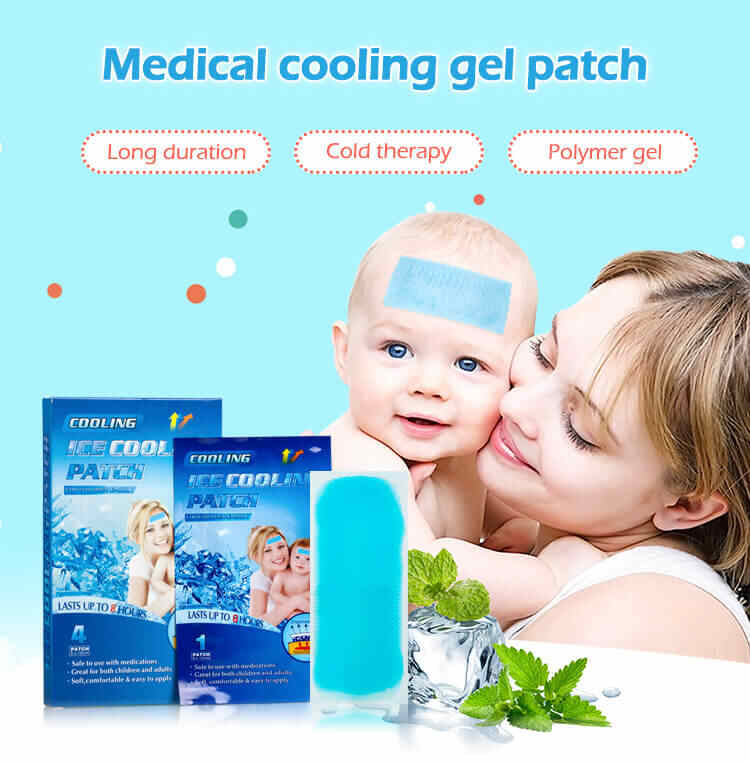
As the global demand for infant healthcare products continues to grow, Private Label Baby Cooling Fever Patches have become an increasingly popular business model. Brand owners can enter the market faster, reduce R&D costs, and leverage the manufacturing expertise of a professional Baby Cooling Fever Patches OEM.
However, one critical question frequently arises among brand owners, distributors, and importers:
Do Private Label Baby Cooling Fever Patches need separate compliance?
The short answer is: Yes—in most cases, separate or brand-specific compliance is still required, even when the product is manufactured by a certified Baby Cooling Fever Patches Manufacturer.
In this article, we provide a comprehensive, SEO-friendly, and practical analysis of compliance responsibilities for private label products. Whether you are sourcing from a Baby Cooling Fever Patches Supplier, developing Custom Baby Cooling Fever Patches, or planning cross-border sales, this guide will help you avoid costly compliance mistakes and build a sustainable brand.
Understanding Private Label Baby Cooling Fever Patches
What Does “Private Label” Mean in Baby Cooling Fever Patches?
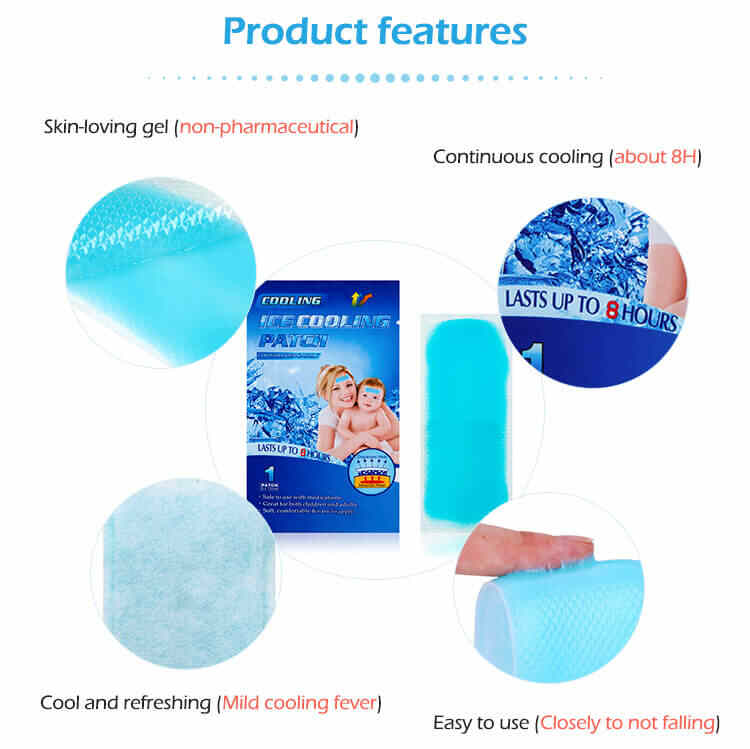
Private label refers to products that are manufactured by an OEM factory but sold under another company’s brand name. In the case of Private Label Baby Cooling Fever Patches, the OEM typically provides:
A proven formulation
Established production processes
Quality control systems
Optional customization (packaging, branding, size, ingredients)
However, private labeling does not transfer legal responsibility away from the brand owner in most global markets.
This distinction is at the core of compliance requirements.
Why Compliance Still Matters for Private Label Baby Cooling Fever Patches
Regulatory Authorities Focus on “Who Places the Product on the Market”
In many regions, regulators define compliance responsibility based on the legal entity that markets and sells the product, not who manufactures it.
That means:
The Baby Cooling Fever Patches Manufacturer is responsible for compliant manufacturing
The brand owner of Private Label Baby Cooling Fever Patches is often responsible for:
Product registration or notification
Labeling compliance
Market surveillance
Consumer safety claims
Even if your Baby Cooling Fever Patches OEM already meets international standards, your brand may still need separate compliance documentation.
Does Private Label Always Require Separate Compliance?
The Real Answer: It Depends on the Market and Product Classification
Compliance requirements vary based on:
Country or region
Product classification (medical device, consumer healthcare, OTC)
Intended use and claims
Degree of customization
Let’s break this down clearly.
Key Markets and Their Compliance Expectations
United States
In the U.S., Baby Cooling Fever Patches may be classified as:
Medical devices (depending on claims)
General wellness or OTC products
For Private Label Baby Cooling Fever Patches:
If classified as a medical device, each brand owner may need to list the product under their own company
Labeling must reflect the private label brand as the responsible entity
The OEM’s FDA registration does not automatically cover the private label brand
This means separate compliance steps are often required.
European Union
Under EU MDR:
The brand owner is usually considered the “manufacturer” in legal terms for private label products
A private label company may need:
Its own CE documentation
A contract defining OEM and brand responsibilities
Its name and address on the labeling
Even if the Baby Cooling Fever Patches OEM holds ISO 13485 and CE certification, private label compliance is not automatically transferable.
Other Global Markets
In regions such as:
Southeast Asia
Middle East
Latin America
Authorities often require:
Brand-specific product dossiers
Local registration under the importer’s or brand owner’s name
Market authorization documents
Once again, Private Label Baby Cooling Fever Patches typically require separate compliance filings.
The Role of the Baby Cooling Fever Patches OEM in Compliance
What OEM Compliance Covers
A qualified Baby Cooling Fever Patches OEM is responsible for:
GMP or ISO 13485 manufacturing systems
Raw material safety
Process validation
Batch traceability
Internal quality control
These elements form the technical foundation of compliance.
However, OEM compliance alone is not sufficient for private label brands.
What Compliance the Brand Owner Still Needs
Brand owners of Private Label Baby Cooling Fever Patches often remain responsible for:
Product claims and marketing language
Brand-specific labeling and IFU
Local registrations or notifications
Post-market surveillance
Consumer complaints in their market
This division of responsibility makes clear agreements with your Baby Cooling Fever Patches Supplier essential.
Custom Baby Cooling Fever Patches: Higher Customization, Higher Compliance Responsibility
Customization adds value—but also complexity.
Examples of Customization That Trigger Separate Compliance
Modified gel formulation
Extended cooling duration
New ingredients or fragrances
Unique patch size or shape
Market-specific claims
For Custom Baby Cooling Fever Patches, regulators typically view the product as distinct, even if based on an existing OEM formula.
This almost always requires:
New risk assessments
Updated compliance documentation
Brand-specific approvals
Why Separate Compliance Protects Your Brand
Avoiding Regulatory Penalties and Market Bans
Failure to meet private label compliance obligations can lead to:
Customs clearance delays
Product seizures
Forced recalls
Fines and legal disputes
Separate compliance ensures your Private Label Baby Cooling Fever Patches meet local legal expectations, not just factory standards.
Building Trust with Distributors and Retailers
Major distributors increasingly request:
Brand-specific compliance documents
Clear traceability
Defined responsibility agreements
Brands that can demonstrate proper compliance are more likely to:
Win long-term distribution contracts
Enter pharmacies and baby specialty chains
Scale globally
How a Professional Baby Cooling Fever Patches Supplier Supports Compliance
A reliable Baby Cooling Fever Patches Supplier should not only manufacture—but also support compliance processes, including:
Providing technical files and test reports
Supporting brand-specific documentation
Assisting with labeling reviews
Clarifying regulatory responsibilities contractually
Choosing the right Baby Cooling Fever Patches OEM significantly reduces compliance risks and time-to-market.
Common Misconceptions About Private Label Compliance
“The OEM Is Certified, So We’re Covered”
This is one of the most dangerous assumptions. OEM certification supports your compliance—but does not replace brand-level obligations.
“Private Label Means No Registration Needed”
Private labeling simplifies product development, not legal responsibility. In many markets, private label products face the same scrutiny as branded ones.
Best Practices for Private Label Baby Cooling Fever Patches Compliance
Confirm product classification in each target market
Choose an experienced Baby Cooling Fever Patches Manufacturer
Define compliance roles in contracts
Align labeling and claims with regulations
Plan compliance early, not after production
These steps save time, money, and brand reputation.
Final Thoughts: Compliance Is a Shared Responsibility, Not a Shortcut
So, do Private Label Baby Cooling Fever Patches need separate compliance?
In most cases, yes.
While a certified Baby Cooling Fever Patches OEM provides a strong foundation, private label brands must still meet brand-specific and market-specific compliance requirements. Viewing compliance as a strategic investment—rather than a burden—allows brands to grow safely, legally, and sustainably.
For long-term success, compliance should be treated as a core part of your private label strategy, not an afterthought.
Frequently Asked Questions (FAQs)
1. Do Private Label Baby Cooling Fever Patches require separate registration?
In many markets, yes. Registration or notification is often brand-specific.
2. Can I rely entirely on my Baby Cooling Fever Patches OEM’s certification?
No. OEM certification supports compliance but does not replace brand-level obligations.
3. Does customization increase compliance requirements?
Yes. Custom Baby Cooling Fever Patches usually require additional documentation and approvals.
4. Who is legally responsible for private label compliance?
Typically the brand owner or entity placing the product on the market.
5. How can a Baby Cooling Fever Patches Supplier help with compliance?
By providing technical documentation, quality records, and regulatory support.


